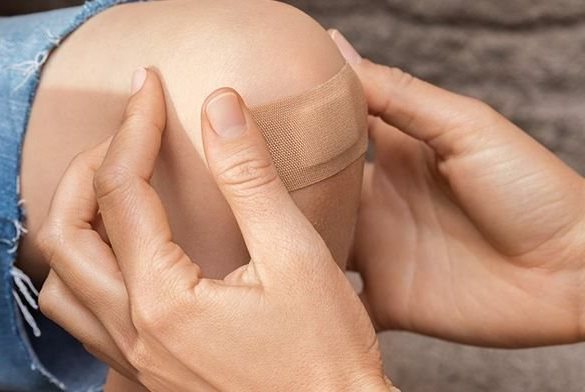
Bandaged wound on the knee

Wound Exudate: What It Looks Like, Types of Wound Drainage and When to Seek Medical Advice

6 min. read
Show More

Published: August, 2026

Noticing fluid or drainage coming from a wound can sometimes be concerning, but wound exudate is common in many everyday injuries and can vary in appearance depending on the wound and its stage of recovery1. Understanding wound exudate and wound drainage can help you recognise what may be normal and when it may be appropriate to seek medical advice, while suitable wound dressings can help protect the wound and manage fluid during recovery. Elastoplast offers a range of dressings designed to support the protection and care of everyday wounds.
What is wound exudate?

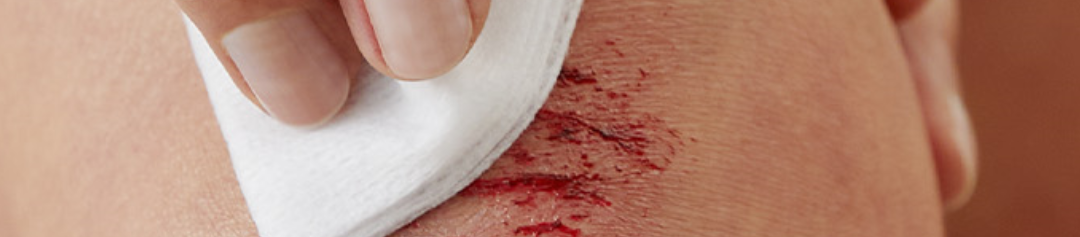
When the skin is damaged, fluid can move from blood vessels into the surrounding tissues, creating wound exudate. When this fluid becomes visible at the surface of the wound, it is often referred to as wound drainage2. Small amounts of wound exudate or wound drainage are often expected after an injury, although the amount and appearance can vary depending on the wound and may change over time as during recovery3.

Small amounts of wound exudate are often a normal part of the body's response to injury. The amount, colour and consistency of wound fluid may change over time depending on the wound and its recovery.

What does wound exudate look like?

Wound exudate can vary in colour and consistency depending on the type of wound and its stage of recovery. It is commonly described in four main types based on its appearance4.

Serous drainage

Serous drainage is typically clear or pale yellow with a thin, watery consistency. It is commonly seen in many wounds and is often considered a typical type of wound exudate4.

Sanguineous drainage

Sanguineous drainage contains fresh blood and appears bright red. It is most commonly seen shortly after an injury has occurred4.

Serosanguineous drainage

Serosanguineous drainage is a mixture of blood and wound fluid and often appears pink or light red. It may be seen as a wound moves through different stages of recovery4.

Purulent drainage

Purulent drainage, sometimes referred to as purulent discharge, is usually thicker than other types of wound exudate and may appear yellow, green, white or brown4. If it occurs alongside symptoms such as increasing redness, swelling, pain or an unpleasant odour, medical advice should be sought.

What should you do if your wound is producing exudate?

Like other wounds, it is important to care for the area properly to support healing and keep it protected as the skin repairs itself.

Keep the wound clean

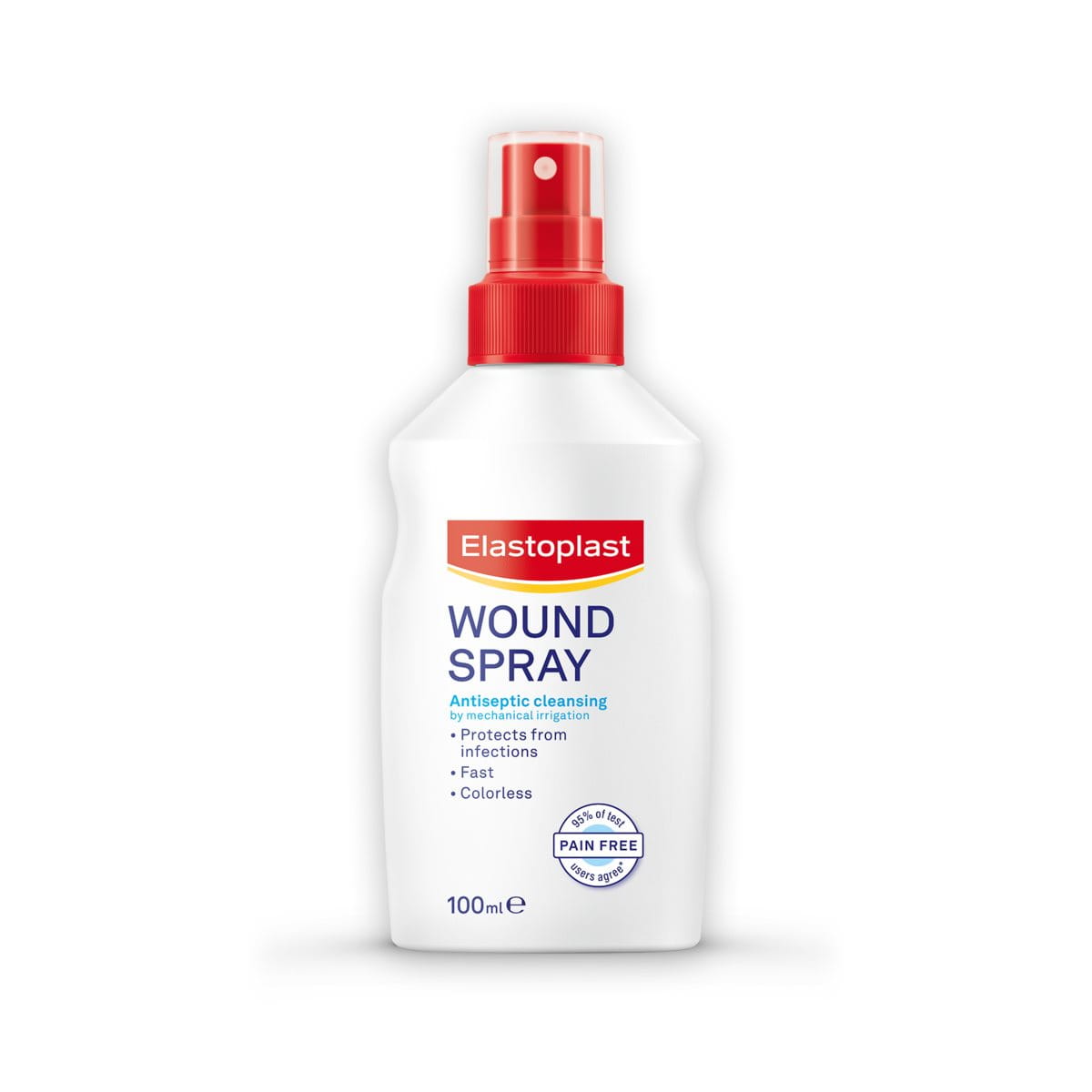
Keeping a wound clean is an important part of everyday wound care. Gentle cleaning helps remove dirt and debris from the wound area and supports good wound hygiene5. This can include rinsing the wound or using a suitable product like Elastoplast Wound Cleansing Spray where appropriate.

Monitor changes in the amount and appearance of exudate

It is important to monitor wound drainage over time, as changes may provide useful information about how the wound is progressing5.

Monitor for:

  • Changes in colour.
  • Changes in consistency.
  • Increases in the amount of drainage.
  • New or unusual odours.

Protect the wound with an appropriate dressing

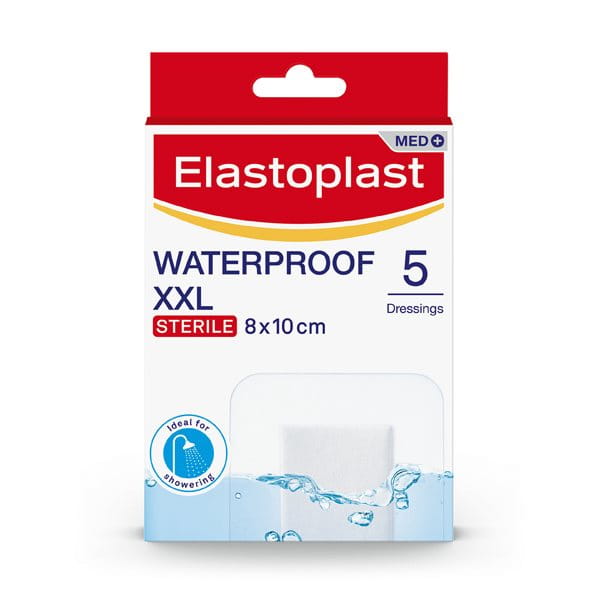
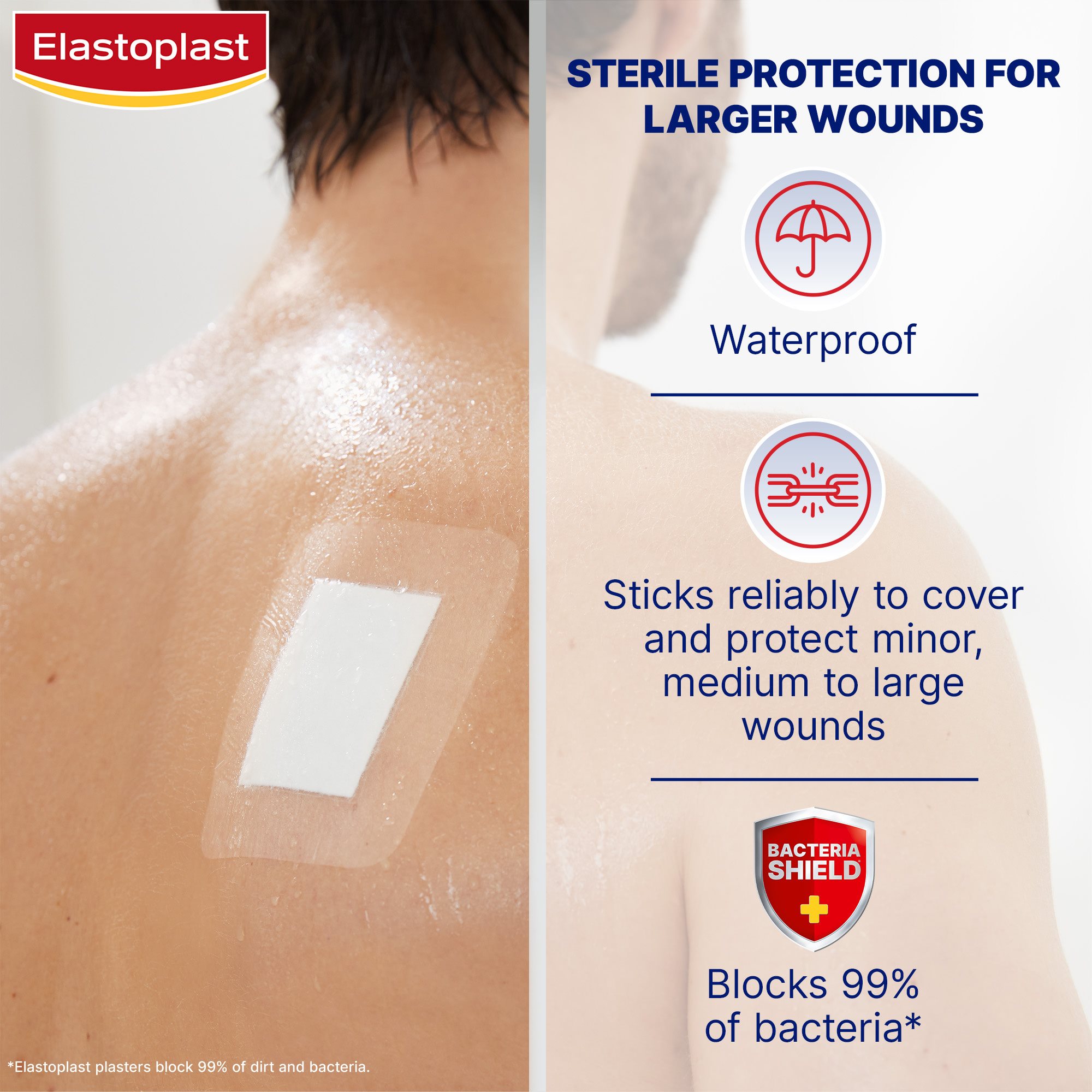
Infographic highlighting product benefits of Elastoplast Sterile Waterproof XXL Dressings
Protecting wounds from water is essential to support healing

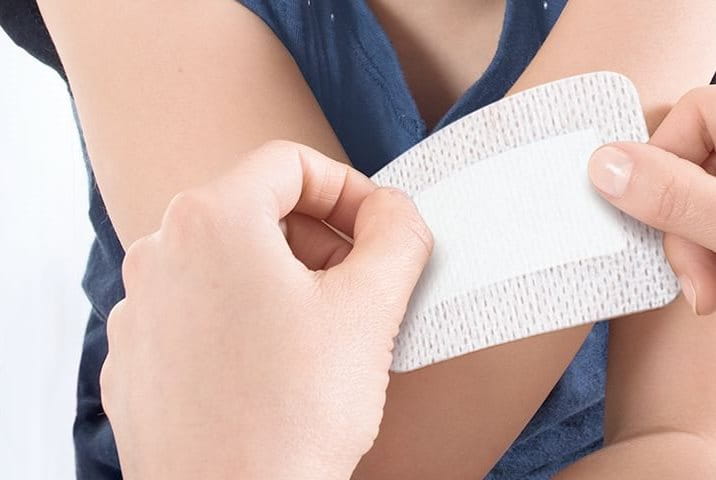
Covering a wound with an appropriate dressing helps protect it from external dirt and bacteria while also helping to manage wound fluid. Elastoplast provides a range of dressings suitable for wounds with exudate, designed to support the protection and care of everyday injuries.

Elastoplast Sterile Waterproof XXL Dressings: For large wounds requiring waterproof protection

A sterile, extra-large waterproof dressing designed for larger everyday or post-operative wounds. Its flexible, waterproof film and strong adhesion help keep it in place during washing, showering or bathing, while the pad cushions the wound for comfortable wear.

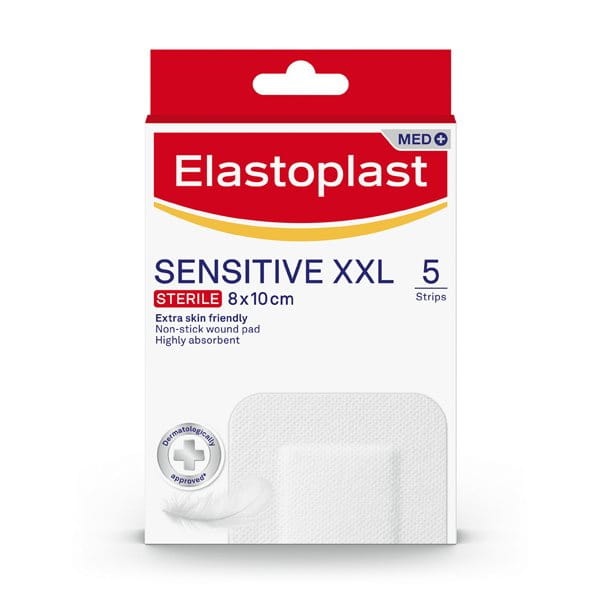
Infographic highlighting product benefits of Elastoplast Sensitive XXL Dressings
Sensitive skin requires dressings with non-irritating adhesive

Elastoplast Sensitive Dressing XXL: For large wounds on sensitive skin

A sterile, extra skin-friendly dressing designed for larger or post-operative wounds. The breathable material adheres securely while remaining painless to remove, and the extra-large pad cushions the wound without sticking, helping provide comfortable everyday protection.

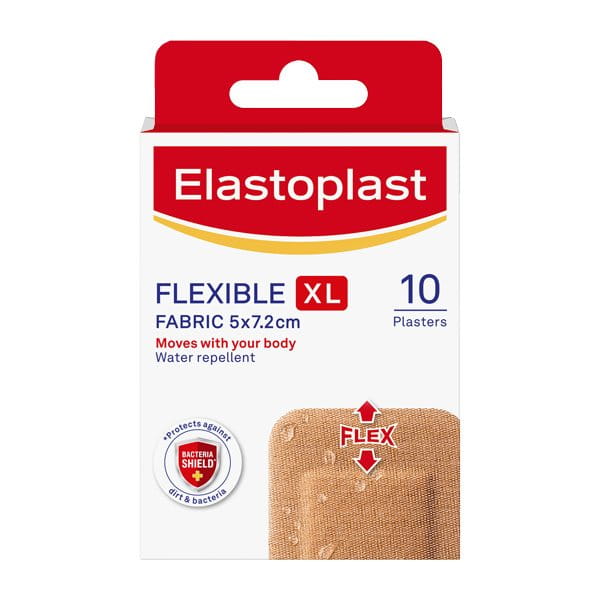
Elastoplast Flexible Fabric XL: For medium to large wounds with flexible protection

A durable fabric dressing designed to protect medium to larger everyday wounds. The flexible material moves with the skin, while the strong adhesion helps keep it securely in place. The non-stick wound pad cushions the wound and helps protect it from dirt and bacteria.

Why is it important to manage wound drainage?

While some wound drainage may be expected, larger amounts of exudate can make wound care more difficult and may affect the surrounding skin. Monitoring wound drainage and using an appropriate dressing can help support effective everyday wound care by:

  • Protecting the wound from external dirt and bacteria.
  • Supporting the care and protection of the surrounding skin4.

When to seek medical advice

Changes in wound drainage do not always indicate a problem, but some signs may require closer monitoring or assessment by a healthcare professional.

Monitor wound exudate more closely if you notice:

  • Changes in the colour of wound drainage.
  • A sudden increase or a persistently high amount of drainage.
  • An unpleasant odour from the wound.
  • Increasing redness, swelling or pain around the wound.
Changes in the amount, colour, consistency or smell of wound drainage should be monitored closely. If symptoms worsen or you are concerned about your wound, seek medical advice.

How long does wound drainage last?

The duration of wound drainage can vary depending on the type of wound and individual factors. In many cases, smaller or superficial wounds produce fluid for a shorter period, while larger or deeper wounds may continue to produce drainage for longer6.

Factors that can influence how long wound drainage lasts include:

  • Wound size.
  • Wound depth.
  • Wound location.
  • Individual healing factors.

If wound drainage persists, increases unexpectedly or is accompanied by concerning symptoms, medical advice should be sought.

Summary: Understanding wound exudate and drainage

Wound exudate is fluid produced by the body after an injury and may be visible as wound drainage. While some wound drainage can be expected, it is important to monitor changes in colour, amount, consistency or odour and seek medical advice if concerning symptoms develop. Keeping the wound clean and protected with an appropriate dressing can help manage wound fluid as part of everyday wound care.

FAQs about wound exudate and drainage (9)

  • What is wound exudate?

    Wound exudate is fluid produced by the body after an injury. It may contain water, proteins and cells involved in the body's response to tissue damage.

  • What are the 4 types of wound drainage?

    The four main types of wound drainage are serous, sanguineous, serosanguineous and purulent drainage. These types are classified according to the colour and consistency of the wound fluid.

  • Is wound exudate pus?

    No. Wound exudate is a general term for wound fluid. Purulent drainage, often referred to as pus, is one type of wound exudate.

  • Does wound exudate always mean infection?

    No. Wound exudate does not always indicate infection. Small amounts of wound fluid are often expected as part of the body's response to injury.

  • What type of wound drainage is most concerning?

    Purulent drainage may be more concerning, particularly when it occurs alongside increasing redness, swelling, worsening pain, fever or an unpleasant odour. Medical advice should be sought if these symptoms occur.

  • What is the brown fluid coming out of my wound?

    Brown wound drainage may occur when wound fluid mixes with older blood or other material within the wound. If you are concerned about changes in wound drainage, seek medical advice.

  • Should you remove wound exudate?

    No. Wound exudate should not usually be removed simply because it is present. Some wound fluid is a normal part of the body's response to injury, although excess exudate may need to be managed as part of wound care.
  • How long does wound drainage last?

    The duration of wound drainage varies depending on the type, size and location of the wound, as well as individual factors. Smaller wounds may produce drainage for a shorter period, while larger or deeper wounds may continue to produce fluid for longer.

  • Should a wound producing exudate be covered?

    In many cases, a wound producing exudate should be covered with an appropriate dressing. Dressings, such as, Elastoplast Sterile Waterproof XXL Dressings can help protect the wound from external dirt and bacteria while helping to manage wound fluid.

Related Articles

Citations

  1. Wallace, H. A.; Zito, P. M.; Basehore, B. M. Wound Healing Phases. Nih.gov. https://www.ncbi.nlm.nih.gov/books/NBK470443/
  2. Wichaiyo, S. Vascular Leakage and Angiogenesis in Wound Healing: A Review. Molecular Biology Reports 2025, 52 (1). https://doi.org/10.1007/s11033-025-10932-2
  3. Gurtner, G. C.; Werner, S.; Barrandon, Y.; Longaker, M. T. Wound Repair and Regeneration. Nature 2008, 453 (7193), 314–321. https://doi.org/10.1038/nature07039
  4. Cutting, K. F. Wound Exudate: Composition and Functions. British Journal of Community Nursing 2003, 8 (Sup3), S4–S9. https://doi.org/10.12968/bjcn.2003.8.sup3.11577
  5. Britto, E. J.; Nezwek, T. A.; Robins, M. Wound Dressings. PubMed. https://www.ncbi.nlm.nih.gov/books/NBK470199/
  6. Tickle, J. Wound Exudate: A Survey of Current Understanding and Clinical Competency. British Journal of Nursing 2016, 25 (2), 102–109. https://doi.org/10.12968/bjon.2016.25.2.102

Disclaimer: Always see a doctor if the wound is deep, bleeds heavily or shows signs of infection like reddening, swelling or warmth.

Please note that, although these were compiled with great care, the tips and advice given on this website by no means substitute medical advice and treatment. If you have or suspect a health problem, consult a doctor and follow medical advice regardless of what you have learned on this website.

Always read carefully and follow the instructions for use or the leaflets of our products. For further information about our products, please contact us via email at ConsumerRelationsUK@Beiersdorf.com