Image

Wound Care at Home: Routine for Safe and Faster Wound Healing

Show More

Last Reviewed: March 2026

Wounds are part of everyday life. Whether you’re cooking, playing sports, gardening, or enjoying the outdoors, accidents can happen in an instant.

The good news is that many wounds, from small cuts and grazes to minor burns and blisters, can be treated safely at home. By following a simple routine of cleansing, protecting, and supporting healing, you can keep your wound clean and give your skin the best chance to recover1. In this guide, you’ll learn how the wound healing process works and how to care for different types of wounds using the Elastoplast routine.
What is wound care?

Wound care refers to the steps taken to clean, protect, and support healing when the skin is damaged. The goal is to prevent infection while helping the body repair itself naturally.

Proper wound care is important for minor everyday injuries, including:

Taking care of wounds early helps the skin recover safely and reduces the chance of complications such as infection or scarring2.

Proper wound care keeps skin clean, protects it from infection, and supports natural healing, helping everyday injuries recover safely.

What happens during the wound healing process?

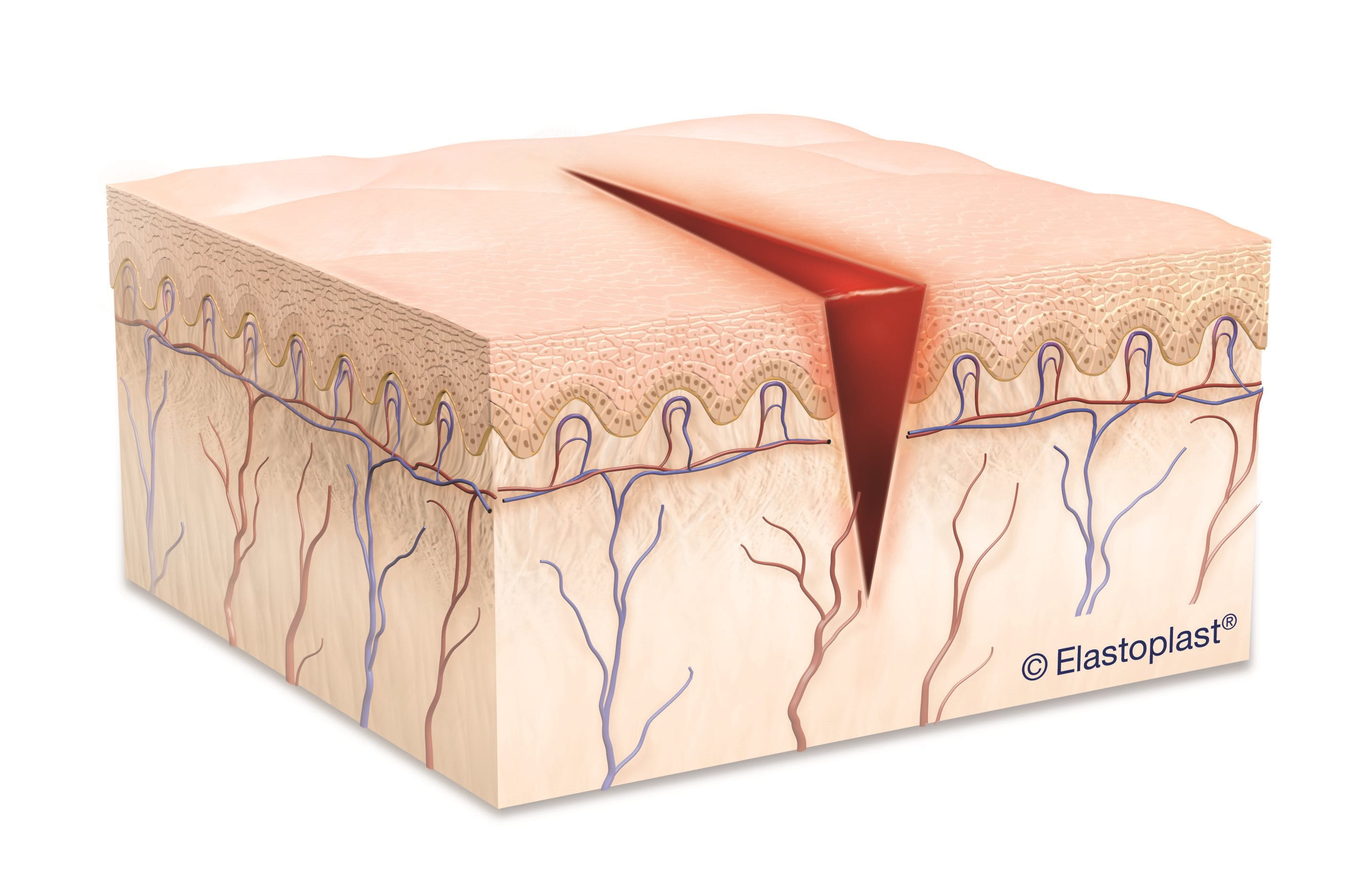
medical illustration of a cut on the skin
Any break in the skin will trigger the body's healing process

When the skin is damaged, the body begins a natural healing process to repair itself. Understanding these stages can help you support recovery and care for your wound effectively3.

  1. Clotting: Blood forms a clot to stop bleeding.
  2. Inflammation: The immune system removes bacteria and damaged tissue.
  3. New tissue growth: The skin begins rebuilding new cells.
  4. Remodelling: The skin strengthens as the wound closes3.

By following proper wound care at each stage, you can help your body heal efficiently and reduce the risk of infection or scarring.

Common types of wounds

Knowing what type of wound you’re dealing with makes it easier to care for it correctly. The right approach helps the skin heal faster and reduces the risk of infection or complications.

  • Acute wounds - These happen suddenly and usually heal quickly with proper care. Examples include cuts, grazes, and minor burns5.
  • Open wounds - Occur when the skin surface is broken, exposing underlying tissue. Proper cleaning and protection are important to prevent infection6.
  • Chronic or slow-healing wounds - Some wounds take longer to heal due to medical conditions, repeated irritation, or poor circulation. These wounds may require professional care7.

Wound care at home: a step-by-step guide

The Elastoplast Wound Care Routine makes looking after wounds simple and effective. It follows three easy steps: cleanse, protect, and heal. By following this routine, you can keep wounds clean, support faster healing, and reduce the risk of infection or scarring.

Step 1: Cleanse the wound

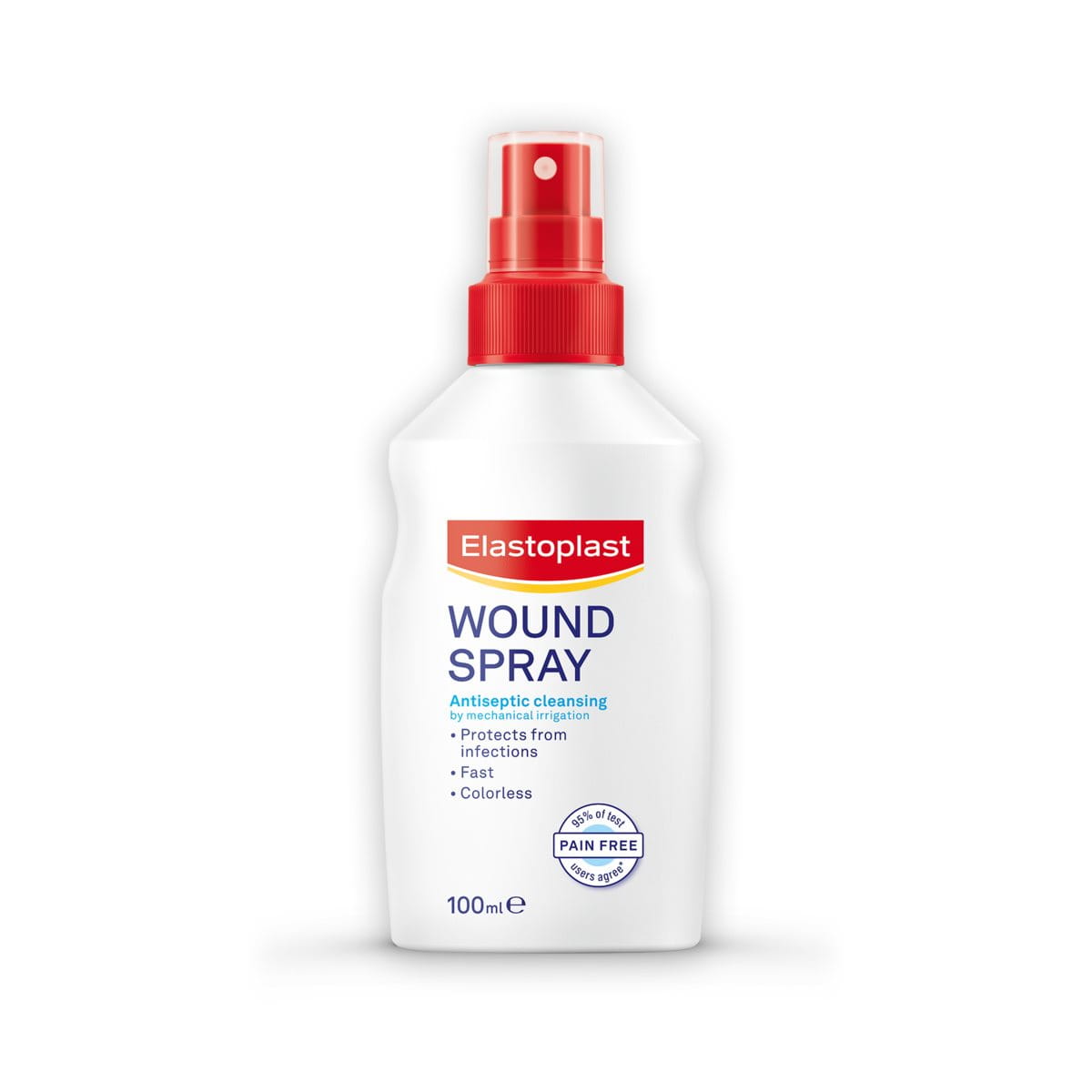
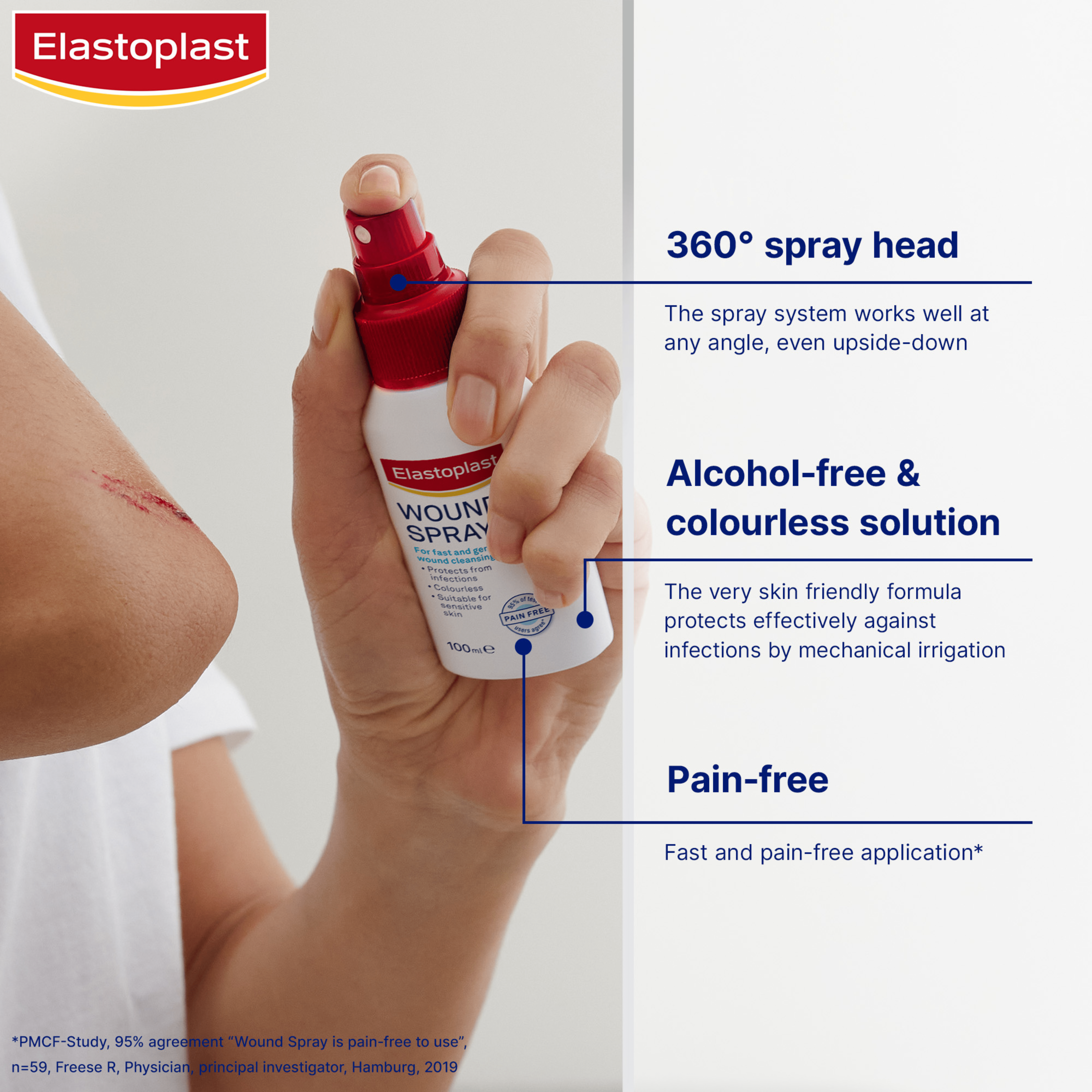
Infographic showing product benefits of Elastoplast Wound Spray
Elastoplast Wound Spray is the first step in caring for wounds

Cleaning the wound removes dirt, bacteria, and other particles that may cause infection. Rinse the wound carefully and remove visible debris before applying protection8.

Elastoplast Wound Spray provides gentle antiseptic cleansing for cuts, abrasions, burns, and blisters. The spray cleans wounds through mechanical irrigation and helps remove dirt and bacteria without causing stinging.

The colourless solution does not stain clothing, and the spray bottle works from any angle, making it convenient for first aid at home or on the go.

Step 2: Protect the wound

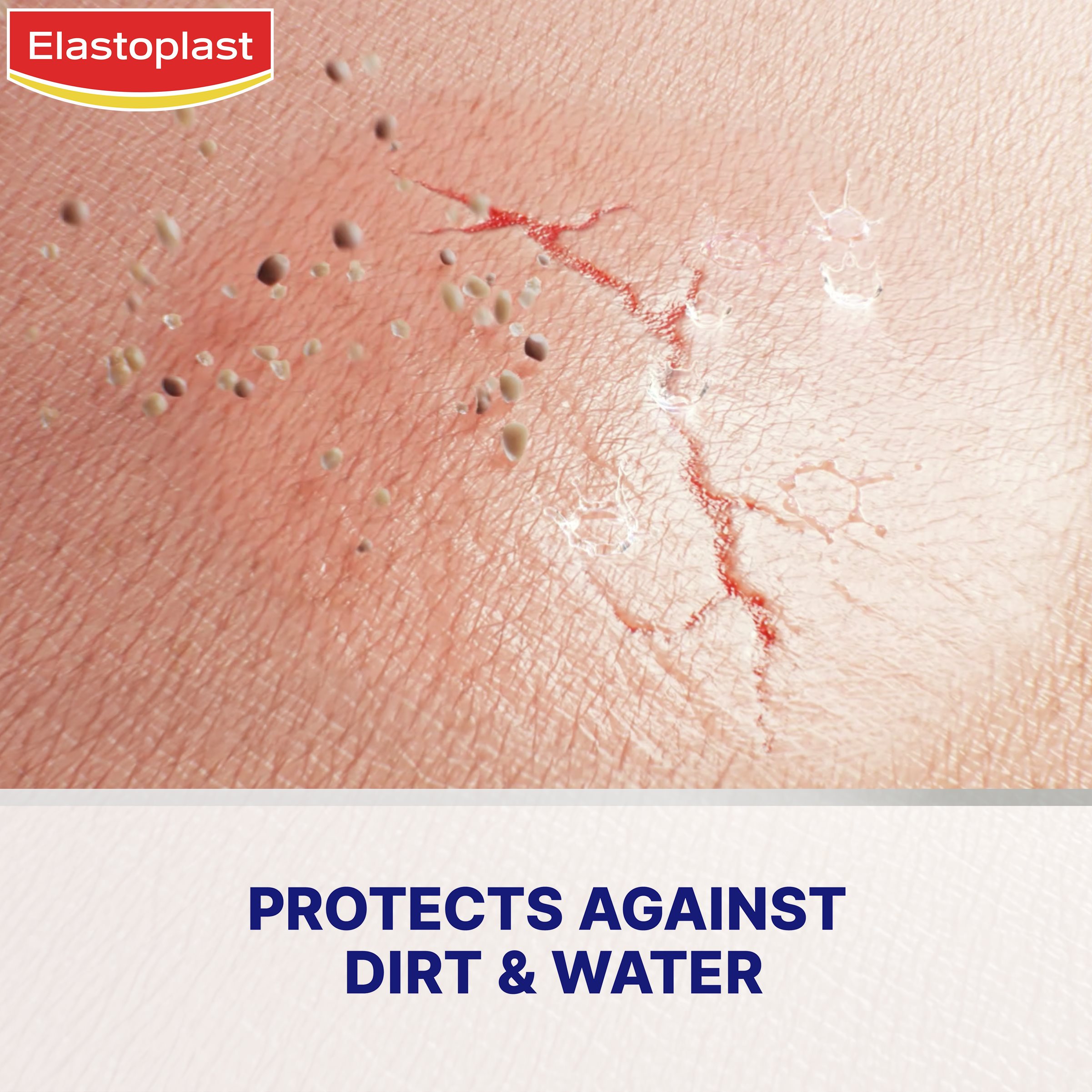
Infographic showing how Elastoplast Spray Plaster and Elastoplast Liquid Plaster form an invisible film over wounds that protects against dirt and water
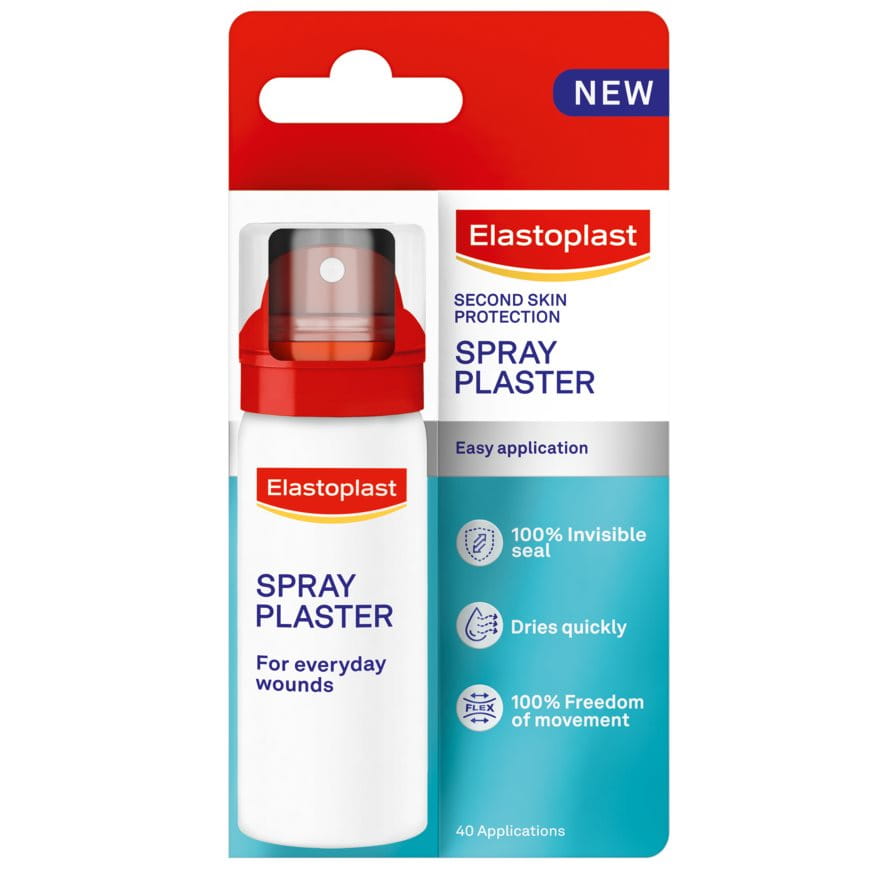
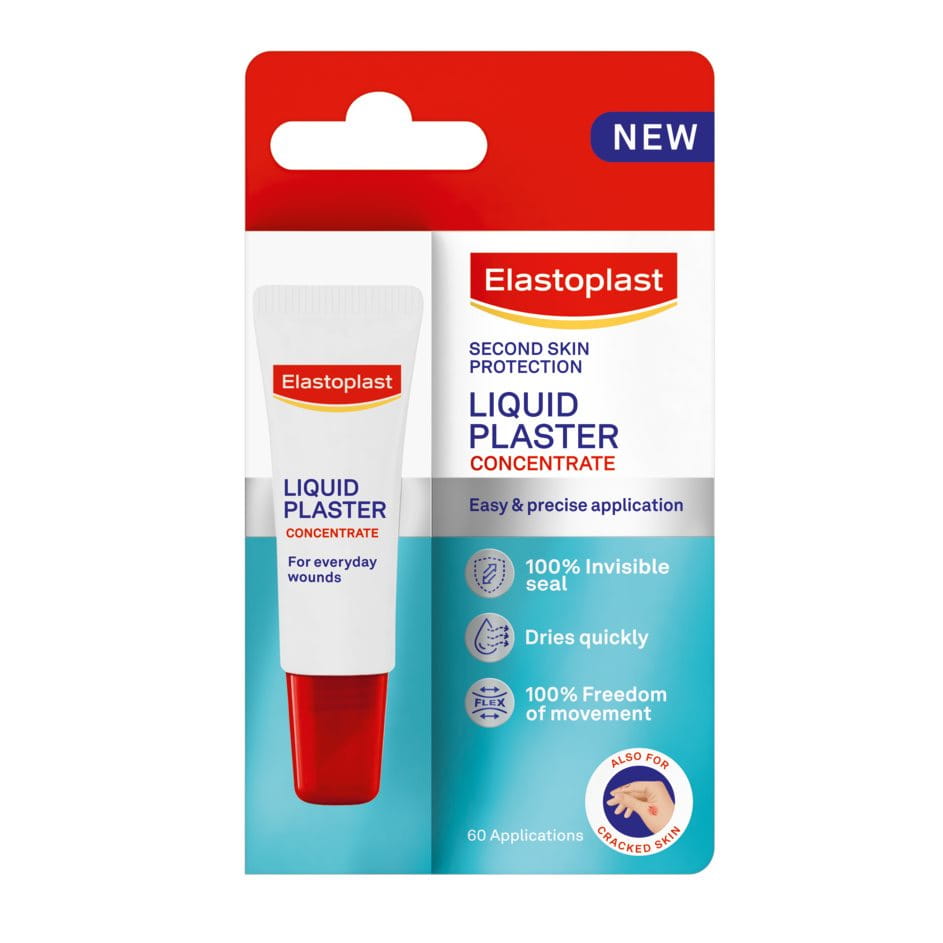
Elastoplast Liquid and Spray Plasters are perfect for protecting minor wounds

After cleaning, covering the wound helps keep dirt and bacteria out while allowing the skin to heal9. The right plaster or dressing depends on the wound type, size, and location, and Elastoplast offers a range of solutions designed to move naturally with your skin while providing reliable protection.

Spray and liquid plasters for minor cuts:

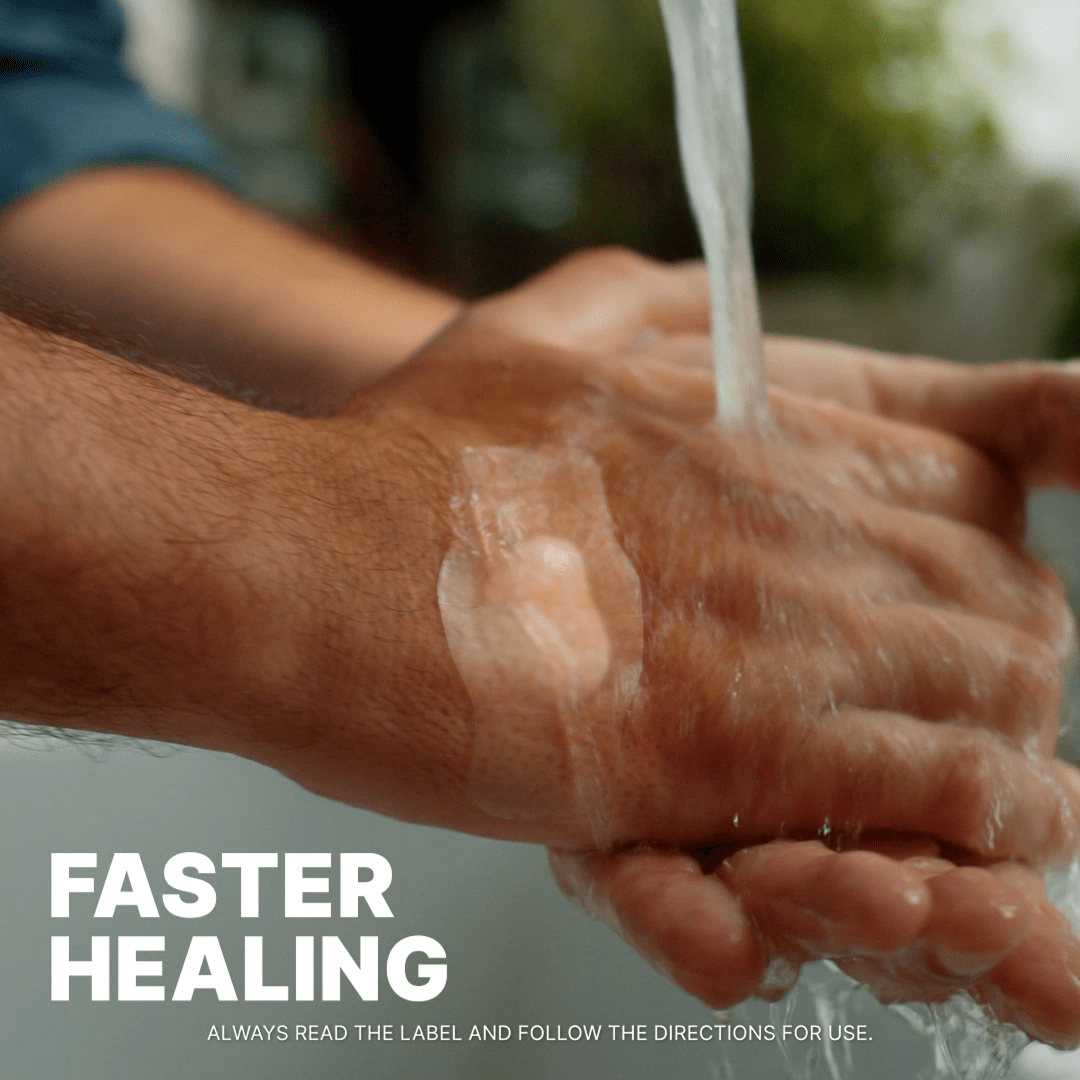
Faster healing
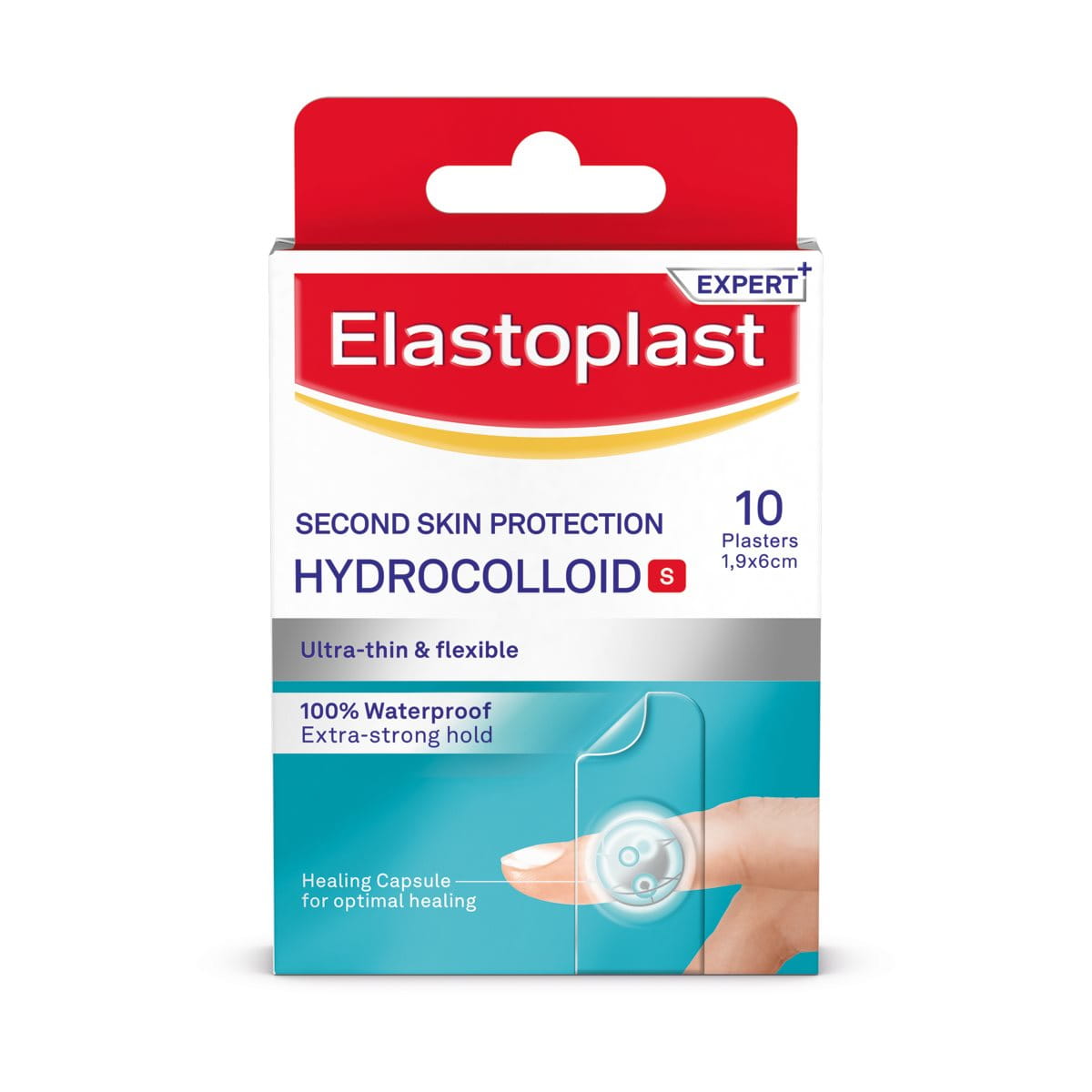
Elastoplast Second Skin Hydrocolloid Protection Plasters are waterproof and create an optimal environment for faster healing

Waterproof protection for everyday activities:

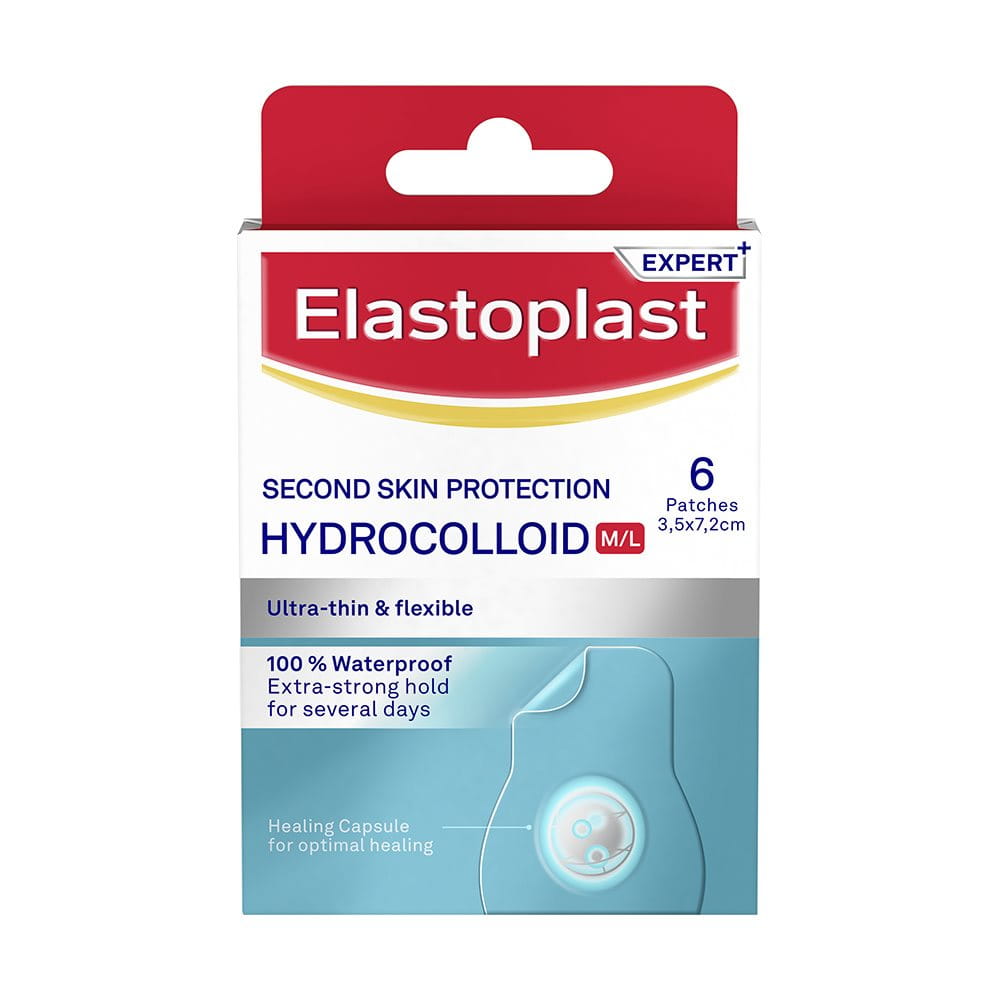
  • Elastoplast Second Skin Protection Hydrocolloid Advanced Plasters - Advanced hydrocolloid technology supports faster healing in a moist environment. Provides extra-strong hold for 72+ hours, even on tricky areas like knees and elbows.
  • Elastoplast Hydrocolloid Plaster S - Promotes faster healing with Healing Capsule Technology, creating a moist wound environment. Ultra-thin, flexible, and 100% waterproof yet breathable, it stays securely in place while showering, bathing, or staying active. Extra-strong hold makes it ideal for fingers and smaller wounds.

Plasters for sensitive skin:

Elastoplast Sensitive Plasters - Hypoallergenic, soft, and breathable, providing skin-friendly protection for minor wounds. Available in light, medium, and dark skin tones, these plasters are painless to remove, with secure adhesion that stays in place even in contact with water.

Larger and post-operative wounds:

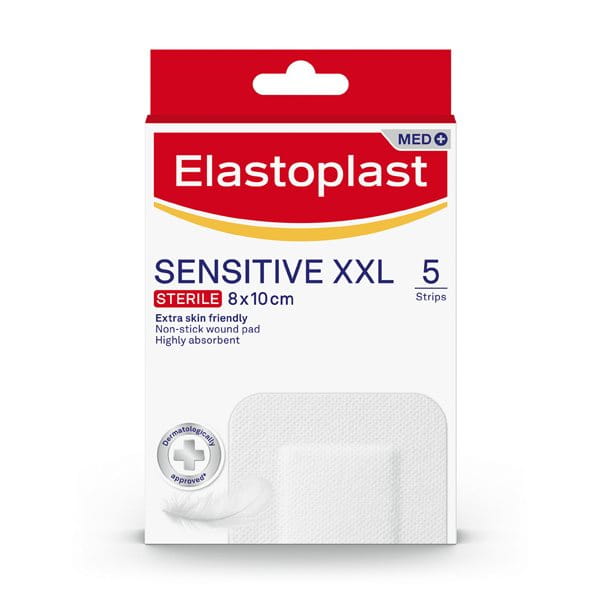
  • Elastoplast Sensitive Dressing XXL - Sterile, highly absorbent, and extra skin-friendly. Suitable for larger or post-operative wounds, the extra-large non-stick wound pad cushions without sticking, providing comfort and protection.
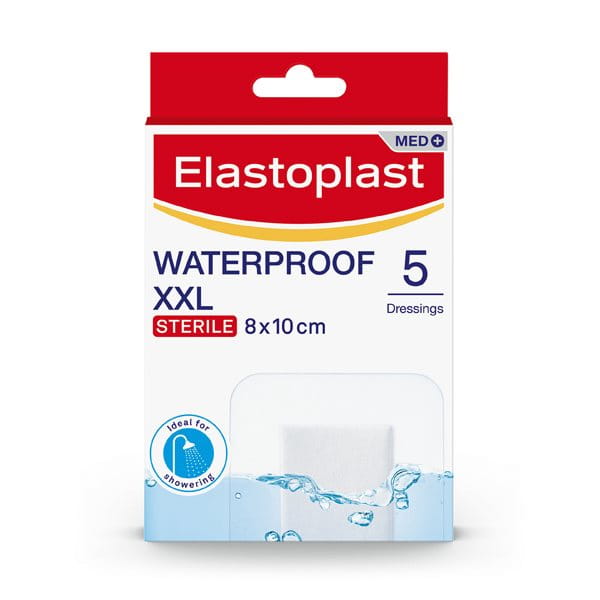
  • Elastoplast Sterile Waterproof XXL Dressings - Waterproof, flexible, and latex-free dressings for larger or post-operative wounds. Ideal for washing, showering, bathing, and swimming, with an extra-large wound pad that cushions without sticking and protects from infection.

With this comprehensive range, you can select the right plaster or dressing for every wound, helping the skin heal safely while staying protected, comfortable, and supported at every stage. This selection highlights key options, but a wide range of products is available to suit every wound care need.

Plasters and dressings for every wound type:

Step 3: Support the healing process

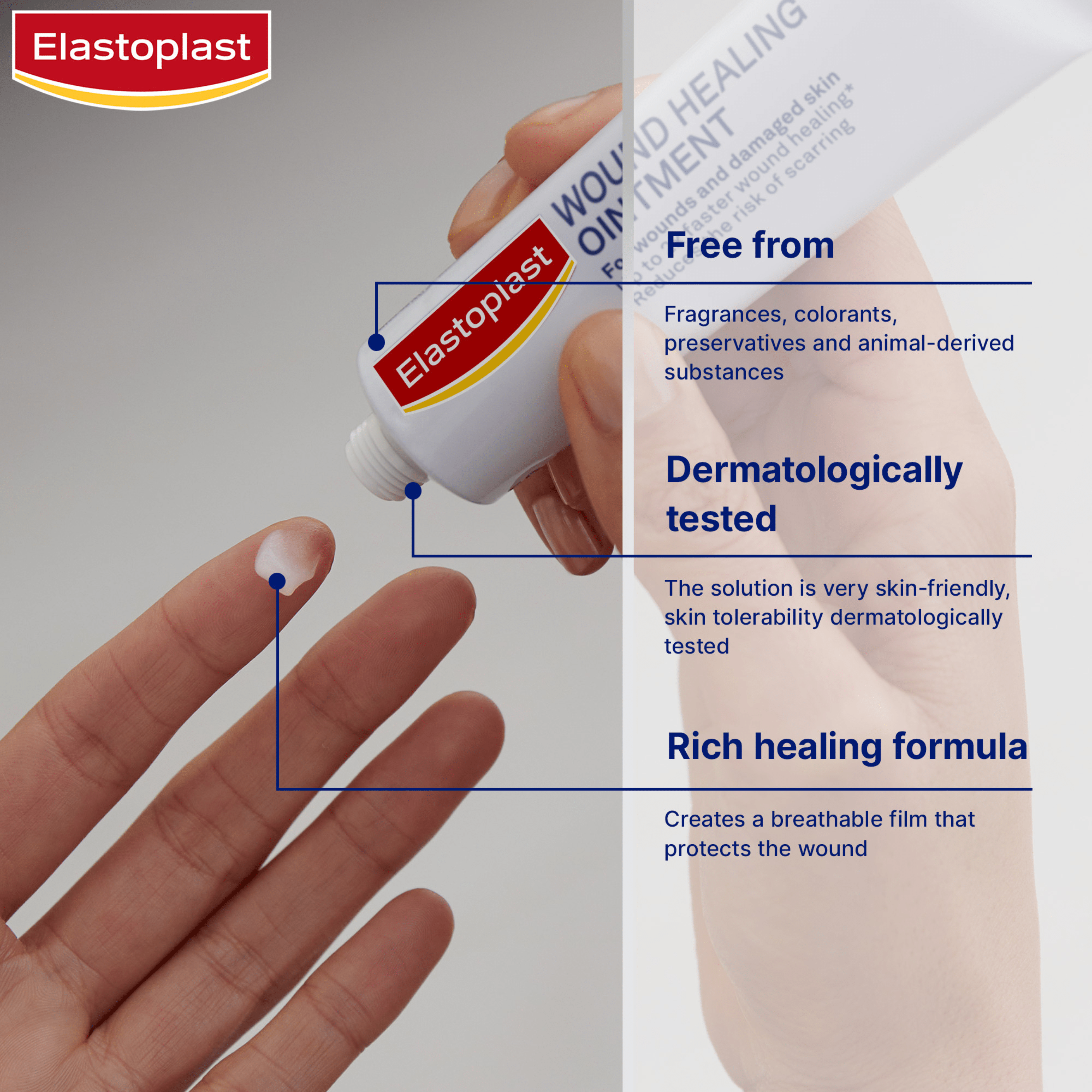
Infographic showing product benefits of Elastoplast Wound Ointment
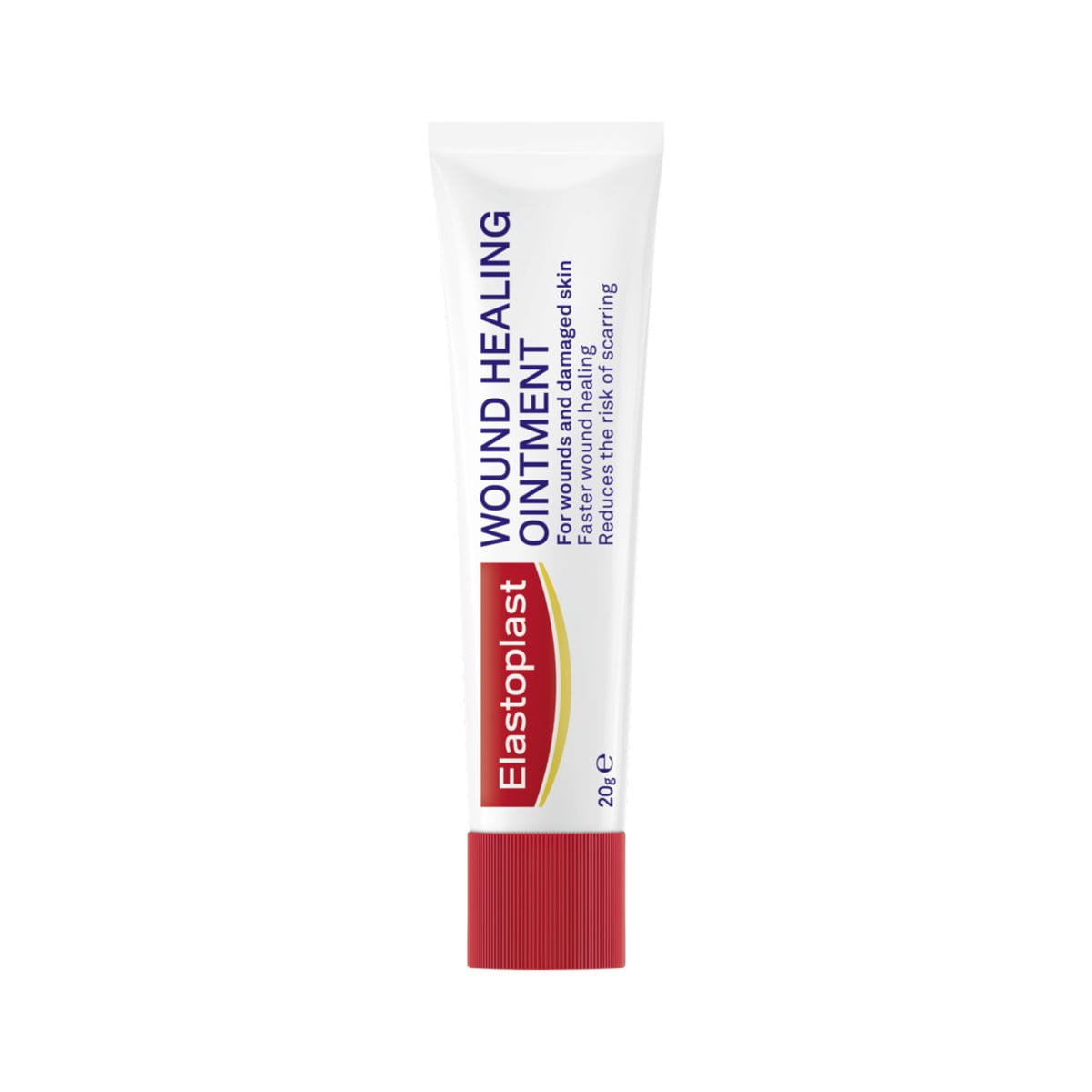
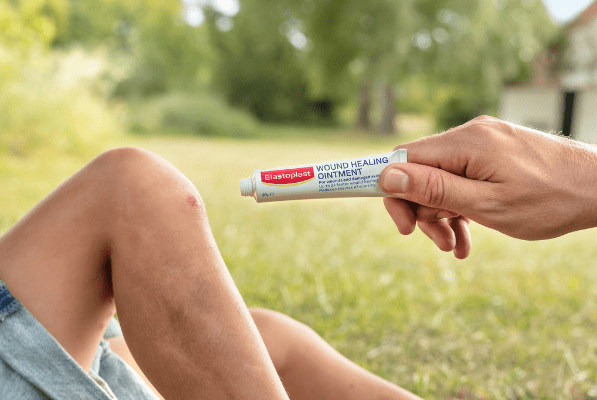
Elastoplast Wound Healing ointment helps sounds heal faster

Once the wound is protected, supporting the healing process helps the skin recover more efficiently. Elastoplast Wound Healing Ointment helps create a moist healing environment, which prevents the wound from drying out, supports faster healing, and reduces the risk of scarring.

Important: Please note, the ointment is not suitable for use with every type of dressing. avoid using it in combination with Second Skin products or particularly small dressings, as it may affect adhesion.

How to stimulate healing

While the body heals naturally, following each wound healing step can make the process safer and more comfortable. Supporting the wound correctly helps prevent infection, encourages faster recovery, and reduces the risk of scarring9.

Keep the wound clean and protected

Cleaning and covering the wound helps prevent infection and irritation.

Maintain a moist healing environment

Moist wound environments help skin cells grow and repair tissue more efficiently.

Avoid common mistakes

Certain habits can slow healing, such as:

  • Picking at scabs
  • Reopening the wound through friction
  • Leaving the wound exposed to dirt9

Recognising infection early

Prompt recognition of infection allows faster treatment and prevents complications. Watch for14:

  • Increasing redness around the wound
  • Swelling or warmth
  • Pus or unusual discharge
  • Rising pain or tenderness

If these signs appear, or if the wound does not improve after several days, contact a healthcare professional for advice. Early intervention can make a big difference in recovery and comfort14.

Related Products

Preventive measures for healthy skin

While it’s not always possible to avoid injuries, simple habits can help protect your skin and reduce the risk of wounds.

  • Protect your skin during activities: Wear appropriate protective clothing, gloves, or equipment when cooking, gardening, playing sports, or doing DIY tasks. Taking these precautions helps prevent cuts, grazes, and other minor injuries15.
  • Keep a first aid kit at home: Having a well-stocked first aid kit makes it easy to treat injuries quickly and effectively. Include wound cleansing solutions, protective plasters, and dressings so you’re prepared for everyday accidents16.

Summary: understanding wound care and the healing process

Minor wounds are a normal part of everyday life, but taking care of them properly helps prevent infection and supports faster, safer healing. Following the Elastoplast wound care routine of cleanse, protect, and support healing keeps wounds clean and protected while your skin repairs itself naturally.

Using the right products, such as Elastoplast wound cleansing solutions, protective plasters, and healing ointments, creates a protective barrier that helps the skin recover safely. These solutions also allow you to stay active and maintain freedom of movement while your wound heals.

FAQs about wound care and healing (8)

  • What are the best ways to heal a wound at home?

    Clean the wound carefully, protect it with a suitable plaster or liquid barrier, and support healing with appropriate wound care products such as Elastoplast cleansing solutions, plasters, and healing ointments.
  • Is it better to cover a wound or leave it open?

    Wounds heal more effectively when covered. Using a protective plaster or dressing keeps bacteria out, prevents irritation, and supports a safe, moist healing environment.
  • How long does the wound healing process take?

    Minor wounds generally heal within several days to a week, depending on their size, depth, and location. Larger or more severe wounds may take longer and require additional care.
  • How do you treat wounds in children?

    Keep children calm and follow the same process outlined above; clean the wound gently, cover it with a suitable plaster, and monitor it regularly. Seek medical advice if the wound is deep, bleeding heavily, or shows signs of infection.
  • Can I use wound ointment with all types of dressings?

    Elastoplast Wound Healing Ointment is not suitable for every dressing. Avoid using it with hydrocolloid dressings or very small plasters, as it may affect adhesion and the protective seal.
  • What types of plasters are best for different wounds?

    Spray or liquid plasters are ideal for small cuts, scratches, or areas where traditional plasters may not stay in place. Hydrocolloid plasters support faster healing and are flexible and waterproof, perfect for joints or fingers. For larger or post-operative wounds, XXL or waterproof dressings provide extra coverage, protection, and comfort.
  • How can I prevent scarring?

    Keeping the wound clean, protected, and in a moist healing environment with appropriate products helps skin repair naturally and reduces the risk of scarring.
  • How can I care for wounds during everyday activities?

    Use waterproof or flexible plasters when washing, showering, or exercising. Protective dressings maintain a barrier against bacteria while allowing full freedom of movement.

Disclaimer: Always see a doctor if the wound is deep, bleeds heavily or shows signs of infection like reddening, swelling or warmth.

Please note that, although these were compiled with great care, the tips and advice given on this website by no means substitute medical advice and treatment. If you have or suspect a health problem, consult a doctor and follow medical advice regardless of what you have learned on this website.

Always read carefully and follow the instructions for use or the leaflets of our products. For further information about our products, please contact us via email at ConsumerRelationsUK@Beiersdorf.com

Citations

  1. NHS. Cuts and grazes. NHS. https://www.nhs.uk/conditions/cuts-and-grazes/
  2. Pitzer, G. B.; Patel, K. G. Proper Care of Early Wounds to Optimize Healing and Prevent Complications. Facial Plastic Surgery Clinics of North America 2011, 19 (3), 491–504. https://doi.org/10.1016/j.fsc.2011.06.012.
  3. Schultz, G. S.; Chin, G. A.; Moldawer, L.; Diegelmann, R. F. Principles of Wound Healing. Mechanisms of Vascular Disease: a Reference Book for Vascular Specialists. https://www.ncbi.nlm.nih.gov/books/NBK534261/
  4. To Heal a Wound. NIH News in Health. https://newsinhealth.nih.gov/2023/10/heal-wound
  5. Acute Wound - an overview | ScienceDirect Topics. Sciencedirect.com. https://www.sciencedirect.com/topics/engineering/acute-wound
  6. Libretexts. 8.1: Wound Classification. Medicine LibreTexts. https://med.libretexts.org/bookshelves/nursing/clinical_nursing_skills_%28openstax%29/08%253a_wound_and_burn_assessment_and_care/8.01%253a_wound_classification
  7. Libretexts. 24.3: Wound Classification. Medicine LibreTexts. https://med.libretexts.org/bookshelves/nursing/fundamentals_of_nursing_%28openstax%29/24%253a_skin_integrity/24.03%253a_wound_classification
  8. NHS. Cuts and grazes. NHS. https://www.nhs.uk/conditions/cuts-and-grazes/
  9. Wound Care: How to Care for an Open Wound or Cut. Cleveland Clinic. https://health.clevelandclinic.org/handling-injuries-from-small-cuts-to-serious-wounds
  10. Sandoz, H. An overview of the prevention and management of wound infection. journals.rcni.com. https://journals.rcni.com/nursing-standard/cpd/an-overview-of-the-prevention-and-management-of-wound-infection-ns.2022.e11889/abs
  11. The Royal Children’s Hospital Melbourne. Clinical Practice Guidelines : Wound dressings - acute traumatic wounds. www.rch.org.au. https://www.rch.org.au/clinicalguide/guideline_index/Wound_dressings_acute_traumatic_wounds/
  12. Holloway, S.; Harding, K. G. Wound Dressings. Surgery (Oxford) 2022, 40 (1), 25–32. https://doi.org/10.1016/j.mpsur.2021.11.002.
  13. Healthdirect Australia. Wounds, cuts and grazes. www.healthdirect.gov.au. https://www.healthdirect.gov.au/wounds-cuts-and-grazes
  14. Cuts & Grazes. The Practice of Health. https://thepracticeofhealth.nhs.wales/clinics-services/self-help-care/minor-common-ailments/cuts-grazes/
  15. Wigley, S. Your Guide to Personal Protective Equipment (PPE). Healthline. https://www.healthline.com/health/personal-protective-equipment
  16. Essential first aid items for your home. patient. https://patient.info/features/treatment-medication/essential-first-aid-items-for-your-home

Related Articles