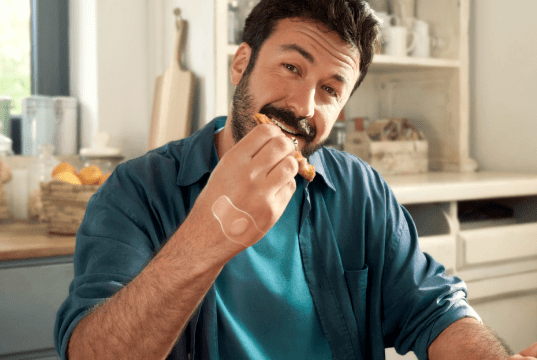
Person applying Elastoplast Second Skin Spray Plaster to their fingertip
9 min. read
Show More

Published: June, 2026


Cracked skin on the fingers, dry cuticles and hangnails are common concerns that can cause discomfort and increase susceptibility to infection if the skin is left unprotected1. The skin around the fingertips is thin and exposed, making it particularly vulnerable to splitting, tearing and irritation. These issues are often most noticeable during colder months or in situations involving frequent handwashing or contact with detergents and cleaning products2,3

Protecting vulnerable areas helps reduce the risk of infection and supports natural healing. Elastoplast products provide a flexible, protective barrier for minor wounds, allowing the skin to heal safely while maintaining full freedom of movement4.
What are cuticles?

Cuticles are a thin layer of skin located at the base of each nail. They form a protective barrier over the nail matrix, the area where new nail cells are produced, helping to prevent bacteria, fungi, and other contaminants from entering and causing infection12

When cuticles become dry, cracked, or damaged, their protective function is compromised. This increases the likelihood of developing hangnails or other minor infections around the nail. Maintaining healthy cuticles is therefore an important part of overall nail and fingertip care13.

What causes cracked skin on fingers and torn cuticles?

Cracks in the skin around the fingers and cuticles can develop for a variety of reasons. Understanding the underlying causes is essential to prevent further irritation and protect the skin effectively.

Dry skin and environmental stres

The most common cause of cracked fingers is dry skin, medically known as xerosis. When the skin loses moisture, it becomes less elastic and more prone to splitting or peeling1. Daily environmental and lifestyle factors can exacerbate dryness, including5

  • Cold or windy weather
  • Frequent handwashing or use of alcohol-based hand sanitiser
  • Contact with detergents or harsh cleaning products
  • Long, hot showers
  • Natural ageing, which reduces the skin’s oil production

Repeated exposure to these factors weakens the skin barrier, leaving the fingertips and cuticles more vulnerable to painful cracks and splits5. Maintaining hydration is key; applying a fragrance-free moisturiser immediately after washing hands, while the skin is still slightly damp, can help lock in moisture and support barrier function6.

Environmental factors and frequent washing can dry out fingertips. Moisturising immediately after washing helps protect the skin.

Skin conditions and nutritional factors

Certain medical conditions, such as eczema or psoriasis, can make the skin on the fingers more susceptible to cracking7. Nutritional factors may also play a role; deficiencies in vitamins C and E, which support skin repair and integrity, can contribute to dryness and delayed healing8,9.
Persistent cracks may be linked to skin conditions or vitamin deficiencies. Professional guidance can prevent complications.
If cracks persist, worsen, or are accompanied by discoloured or thickened nails, it is advisable to seek medical guidance to rule out underlying conditions and prevent complications1.

What is a hangnail and why does it happen?

A hangnail is a small tear or strip of skin at the side or base of the fingernail. Although it may appear minor, it can be surprisingly uncomfortable and, if irritated, can lead to redness or infection. Hangnails are not part of the nail itself; rather, they are splits in the surrounding skin that develop when the skin becomes dry, weakened, or damaged10.
Never pull or bite a hangnail, as this can damage surrounding skin and increase the risk of infection. Always trim carefully and protect the area.

Several factors can contribute to the formation of hangnails, including11:  

  • Dry or damaged cuticles, which reduce the skin’s natural protection around the nail
  • Nail-biting or picking, which can create small tears
  • Minor trauma, such as paper cuts, or friction, or contact with rough surfaces
  • Frequent exposure to water, soaps, or cleaning products, which can strip natural oils from the skin11

How to treat cracked fingers, cuticles, and hangnails

Minor cracks, dry cuticles, and hangnails can often be managed effectively at home when treated promptly. The key is to follow a structured approach that reduces irritation, protects the skin, and supports natural healing. The Elastoplast Clean, Protect, Heal routine provides a simple and reliable framework for caring for these common finger injuries.
The Elastoplast Clean, Protect, Heal routine helps cracked fingers, dry cuticles, and hangnails heal safely and comfortably at home.

Step 1: Clean

Proper cleansing is the first step in supporting the skin’s recovery. Before applying any level of protective coverage, gently cleanse the affected area to remove dirt, debris, and potential bacteria14

  • Wash your hands with lukewarm water, avoiding hot water that can further dry the skin
  • Remove visible particles or grime carefully
  • Avoid harsh soaps or detergents that may strip natural oils from the skin

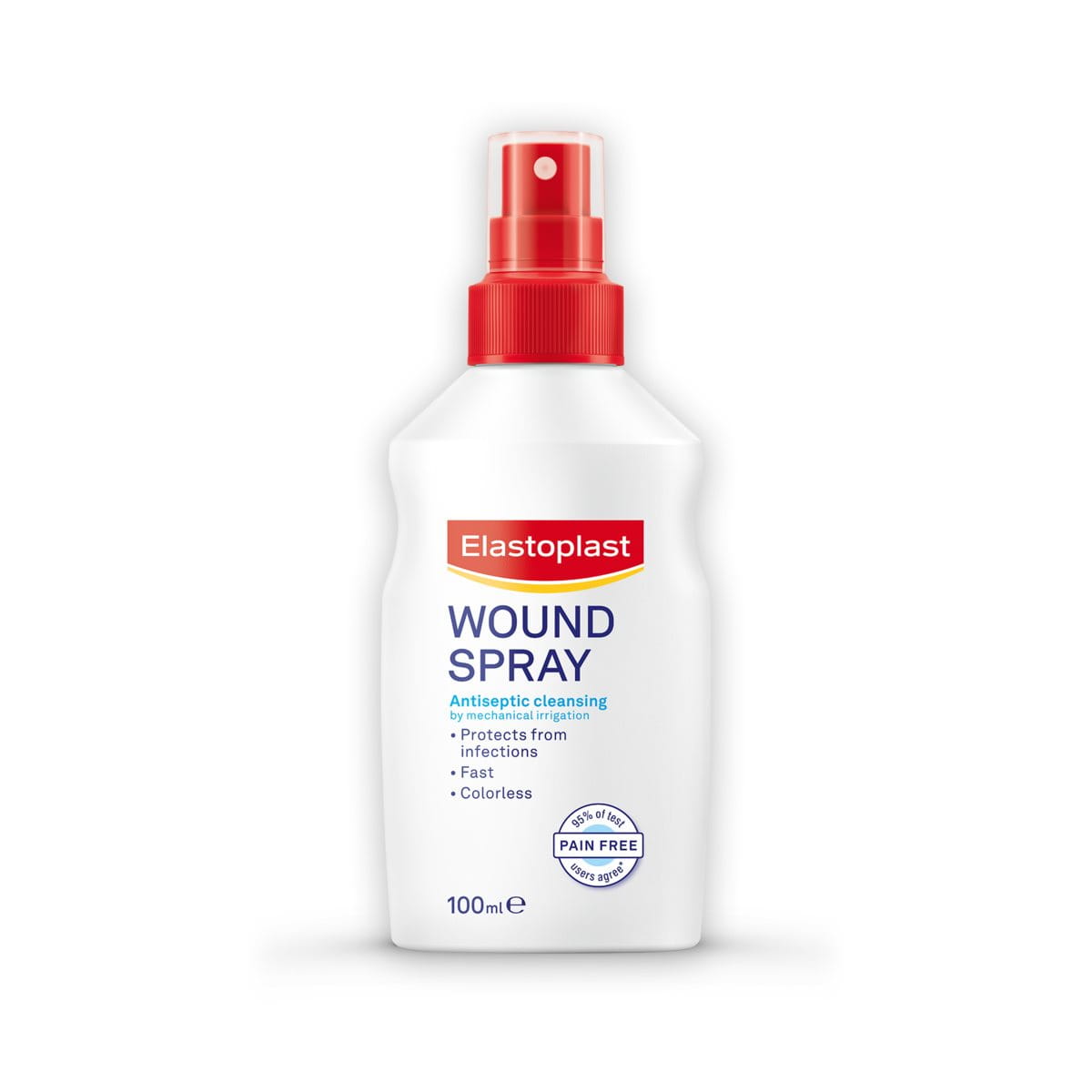
For a thorough, pain-free cleanse, Elastoplast Wound Spray can be used. Its colourless, easy-to-use solution provides antiseptic cleansing through mechanical irrigation, protecting against infection while remaining gentle on the skin. The spray can be applied quickly, and even works upside-down, making it a convenient and effective option for minor fingertip cracks, hangnails, or cuticle splits.  

This step not only reduces the risk of infection but also prepares the skin for the next stage: protection. Clean, undisturbed skin provides an optimal environment for healing.

Step 2: Protect

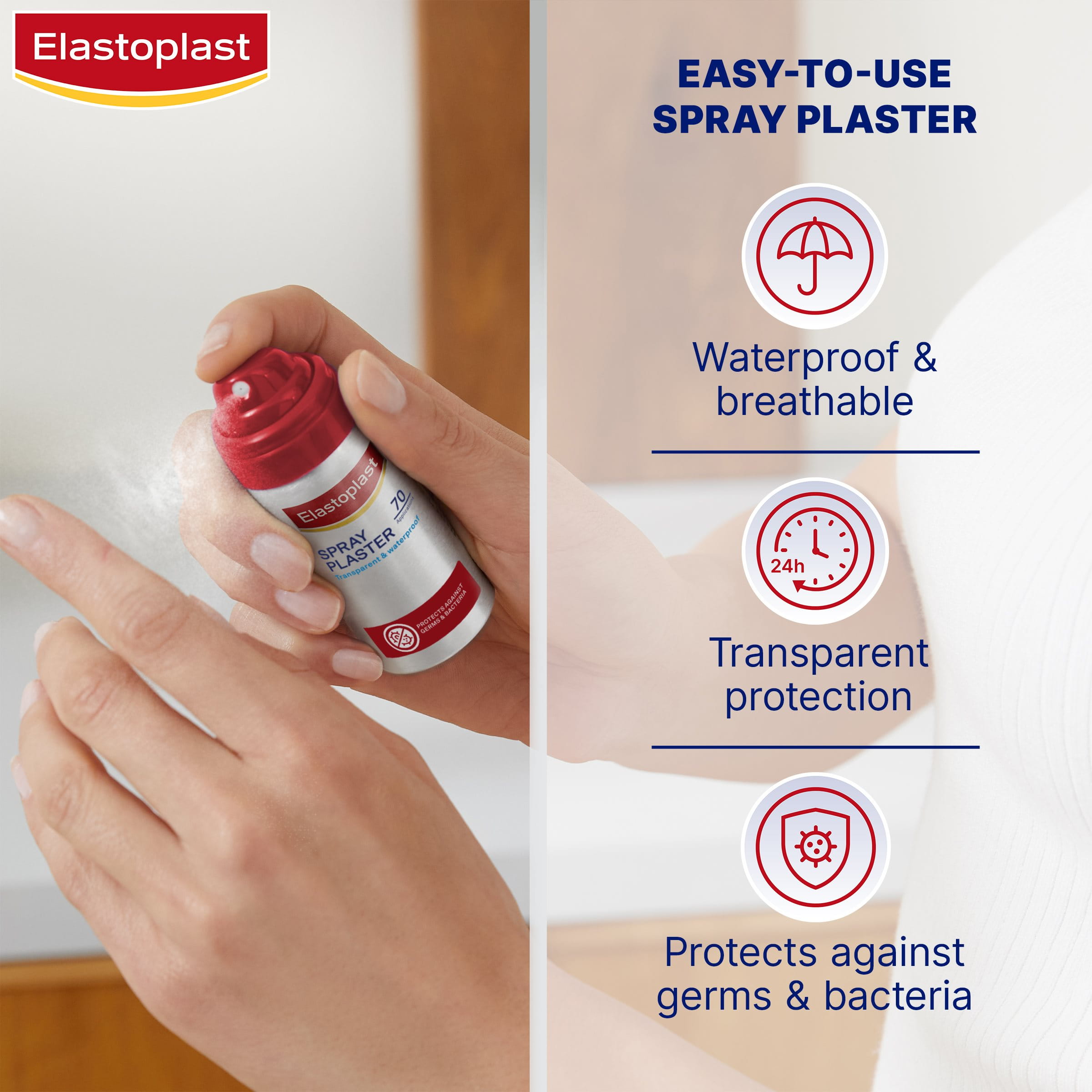
Infographic showcasing product benefits of Elastoplast Second Skin Wound Spray
Elastoplast Second Skin Spray Plaster allows you to carry on with your activities while protecting your wound

Once the skin is clean, protecting it from friction, irritants, or bacterial exposure is essential15. Elastoplast offers a range of products for minor finger wounds, including the Second Skin Protection range, which provides flexible, protective coverage using hydrocolloid technology while allowing full freedom of movement. 

For small surface cracks or dry edges:

Elastoplast Second Skin Protection Spray Plaster

  • Dries quickly to form an invisible, flexible barrier
  • Water-resistant and comfortable to wear
  • Ideal for minor fingertip cracks or dry cuticle splits

This spray is particularly useful for everyday activities such as typing, cooking, or household tasks, providing lightweight protection while allowing full mobility.

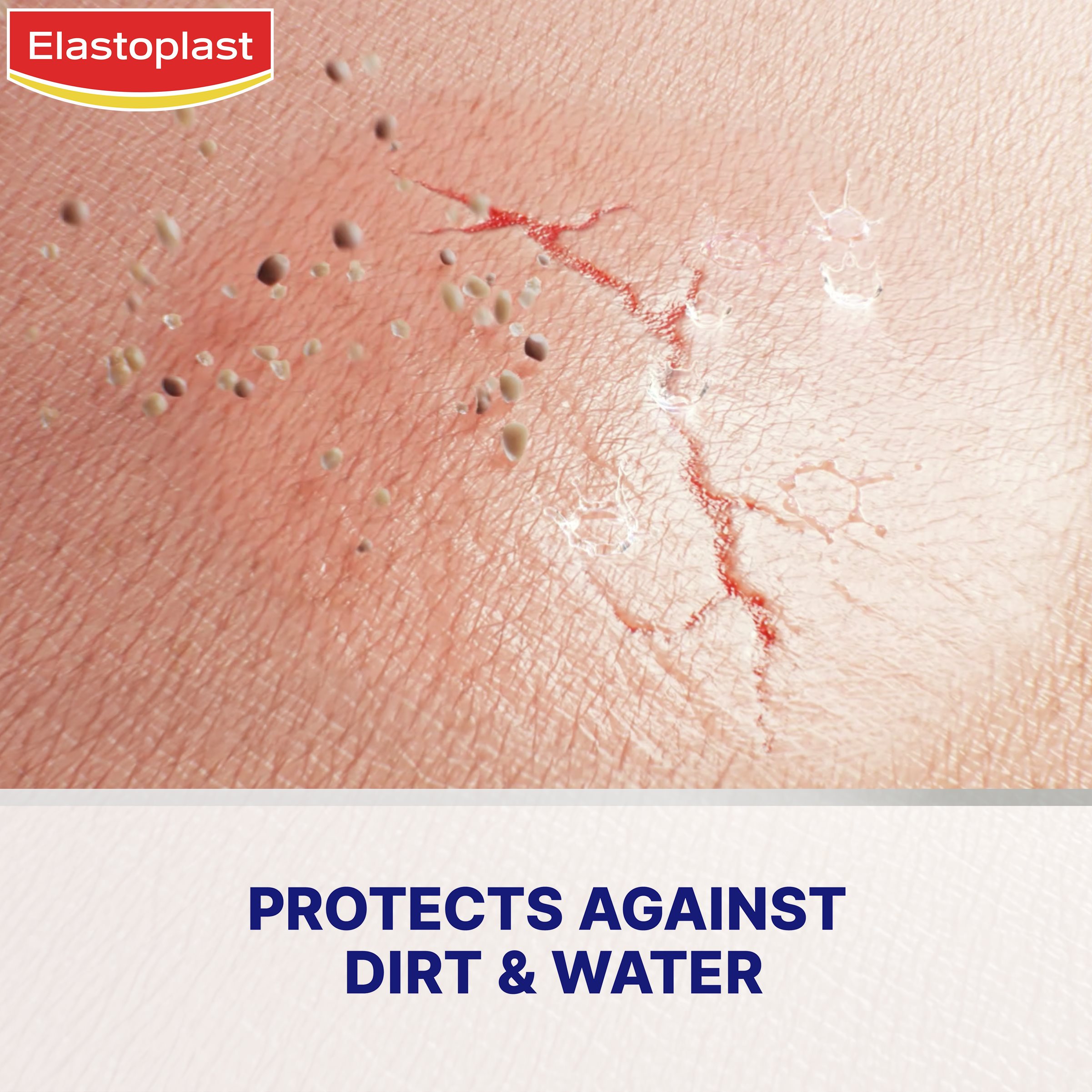
Infographic showcasing how Elastoplast Second Skin Liquid Plaster helps protects wounds from dirt and water
Elastoplast Second Skin Liquid Plaster Concentrate helps protect wounds and prevent infection

For precise protection of hangnails:

Elastoplast Second Skin Protection Liquid Plaster Concentrate

  • Allows accurate, targeted application
  • Forms a flexible, invisible film over damaged skin
  • Shields hangnails or small tears from dirt and bacteria

The Liquid Plaster Concentrate is perfect for trimmed hangnails or delicate skin at the nail edge, helping prevent further irritation and supporting faster, safer healing.

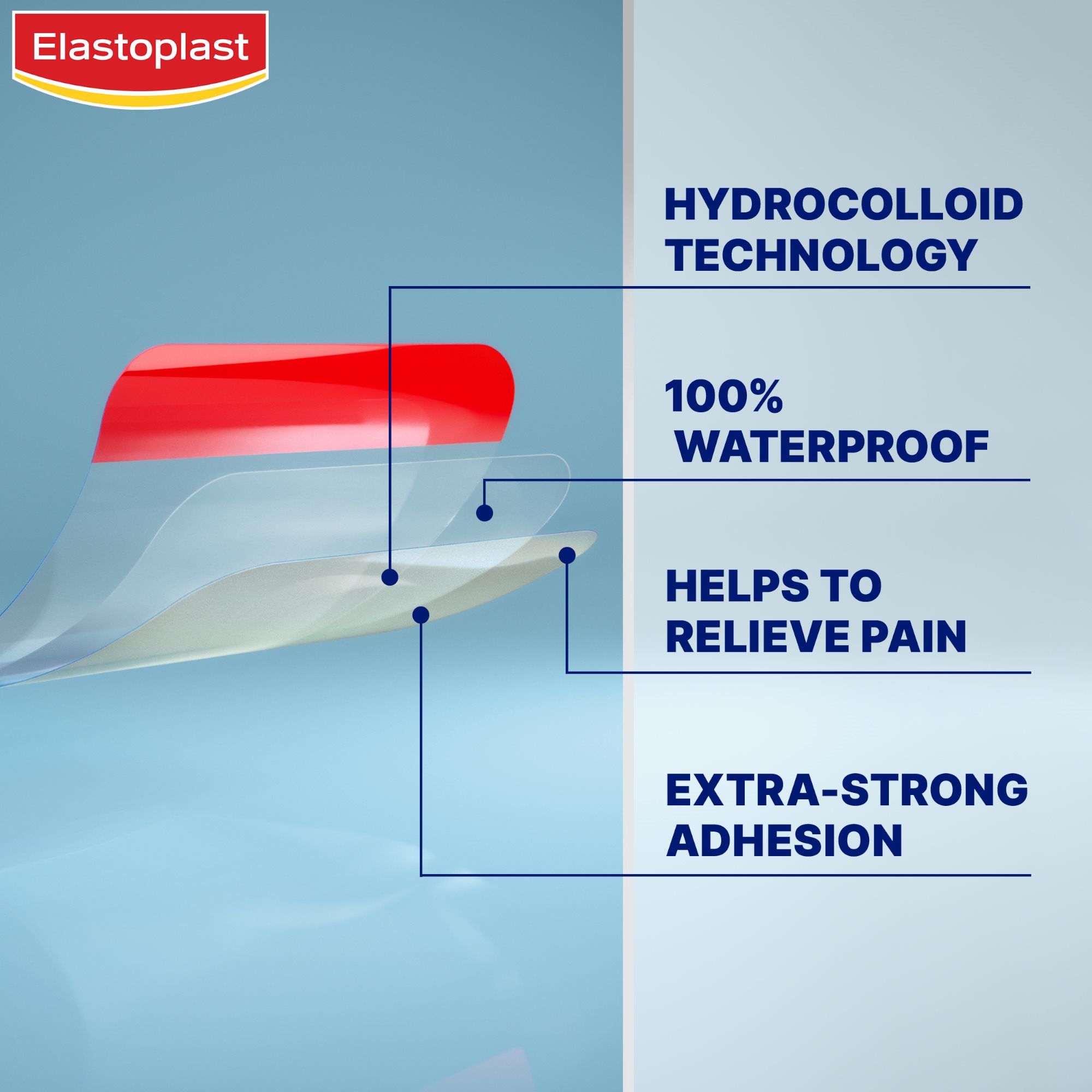
Image showcasing product benefits of Elastoplast Second Skin Hydrocolloid Plasters S
Elastoplast Second Skin Plasters S help accelerate healing

Elastoplast Second Skin Protection Hydrocolloid Plasters S

  • Strong adhesion and ultra-thin, flexible material
  • 100% waterproof yet breathable
  • Capsule technology encourages faster healing
  • Acts as a protective wound pad over the entire area

Elastoplast Small Hydrocolloid Plasters are ideal when cracks are deeper, painful, or located in areas that experience frequent movement. They provide long-lasting protection, allowing you to shower, swim, or continue daily activities without compromising healing.

Scenario example: If a cracked fingertip repeatedly splits when bending or typing, a Second Skin Hydrocolloid Plaster S provides durable, all-day protection while reducing discomfort.

How to prevent a hangnail from getting infected

If a hangnail appears, prompt care can reduce the risk of infection10

Following these steps helps the skin recover safely while minimising redness, swelling, or bacterial entry.

How to treat an infected hangnail and when to seek medical advice

While most cracked fingers and hangnails heal within a few days to two weeks, consult a healthcare professional if you notice:  

  • Increasing redness or swelling
  • Pus or discharge
  • Severe pain
  • A wound that does not improve
  • Signs of infection spreading

Never attempt to pop an infected hangnail. Seek medical guidance if you suspect an infection.

How to prevent cracked skin and hangnails

Hands with healthy cuticles and moisturised skin, showing well-cared-for fingers.
Healthy, well-cared-for cuticles are easier to protect and less prone to cracks or hangnails.

Prevention is always preferable to treatment, particularly for those prone to dry fingers or recurring hangnails. Maintaining healthy skin and nails reduces discomfort and lowers the risk of infection16.  

Daily prevention tips:

  • Moisturise hands regularly, focusing on the fingertips and cuticles 
  • Apply cream immediately after using hand sanitiser
  • Wear gloves outdoors in cold weather
  • Use protective gloves when handling cleaning products or chemicals
  • Take shorter, cooler showers to reduce moisture loss  

Cuticle and nail care:

By combining consistent moisturising with protective coverage and careful nail care, minor fingertip injuries can heal quicker while maintaining healthy, resilient skin.

Consistent moisturising, protective coverage, and careful nail care can prevent cracks, hangnails, and dry cuticles, keeping fingers healthy and resilient.

Summary: caring for cracked skin, dry cuticles, and hangnails

Cracked skin, dry cuticles, and hangnails are common fingertip problems that can cause discomfort and increase the risk of infection if left untreated. Proper care begins with gentle cleansing, followed by protective coverage, and ongoing support for the skin’s natural healing process. 

Elastoplast Second Skin products, including our Second Skin Protection Spray Plaster, Second Skin Protection Liquid Plaster Concentrate, and Small Second Skin Protection Hydrocolloid Plasters, provide flexible, waterproof protection that moves with your fingers while shielding damaged skin from friction and contaminants.  

By following Elastoplast's Clean, Protect, Heal routine and maintaining good hand and nail care, minor finger injuries can heal safely and effectively, keeping your hands comfortable and fully functional.

FAQs: preventing and treating cracked skin and hangnails (8)

Always see a doctor if the wound is deep, bleeds heavily or shows signs of infection like reddening, swelling or warmth.  

Please note that, although these were compiled with great care, the tips and advice given on this website by no means substitute medical advice and treatment. If you have or suspect a health problem, consult a doctor and follow medical advice regardless of what you have learned on this website. 

Always read carefully and follow the instructions for use or the leaflets of our products. For further information about our products, please contact us via email at ConsumerRelationsUK@Beiersdorf.com

Citations

1. Cracked Skin on Fingers, Hands, Feet, and Lips: Causes and Treatment. Healthline. https://www.healthline.com/health/skin/cracked-skin
2. How to care for your hands | Skin Support. Skin Support. https://www.skinsupport.org.uk/conditions-details/how-to-care-for-your-hands
3. Dry skin relief from COVID-19 handwashing. www.aad.org. https://www.aad.org/public/everyday-care/skin-care-basics/dry/coronavirus-handwashing
4. Harwood, A.; Nassereddin, A.; Krishnamurthy, K. Moisturizers. PubMed. https://www.ncbi.nlm.nih.gov/books/NBK545171/
5. Dry Hands: 10 Remedies, Causes, and More. Healthline. https://www.healthline.com/health/dry-hands
6. https://academic.oup.com/bjd/article-abstract/162/5/1088/6642409
7. Healing Cracked Skin On Hands - Dermatology UK. Dermatology UK. https://dermatology.org.uk/cracked-skin-on-hands/
8, 1. Abdullah, M.; Jamil, R. T.; Attia, F. N. Vitamin C (Ascorbic Acid). Nih.gov. https://www.ncbi.nlm.nih.gov/books/NBK499877/
9, 1.Kim, K. H. Nitroglycerin. Nih.gov. https://www.ncbi.nlm.nih.gov/books/NBK482382/
10. Fisher, J. Got a hangnail? Here’s what to do - Harvard Health. Harvard Health. https://www.health.harvard.edu/staying-healthy/got-a-hangnail-heres-what-to-do
11. Hangnails: Causes, Treatment, Risks, & When to See a Doctor. Healthline. https://www.healthline.com/health/hangnail
12. What Are Cuticles For? Their Essential Protective Role. Biology Insights. https://biologyinsights.com/what-are-cuticles-for-their-essential-protective-role/
13. Golen, T. Are cracked cuticles harmful? - Harvard Health. Harvard Health. https://www.health.harvard.edu/staying-healthy/are-cracked-cuticles-harmful
14. Cuts and grazes. nidirect. https://www.nidirect.gov.uk/conditions/cuts-and-grazes
15. Cox, J. Wound Care 101. Nursing 2019, 49 (10), 32–39. https://journals.lww.com/nursing/fulltext/2019/10000/wound_care_101.10.aspx
16. Harwood, A.; Nassereddin, A.; Krishnamurthy, K. Moisturizers. PubMed. https://www.medline.com/strategies/skin-health/skin-integrity/

Related Articles