
Image of a plaster on a person's elbow

Why You Shouldn't Use Hydrogen Peroxide to Clean a Wound

6 min. read
Show More

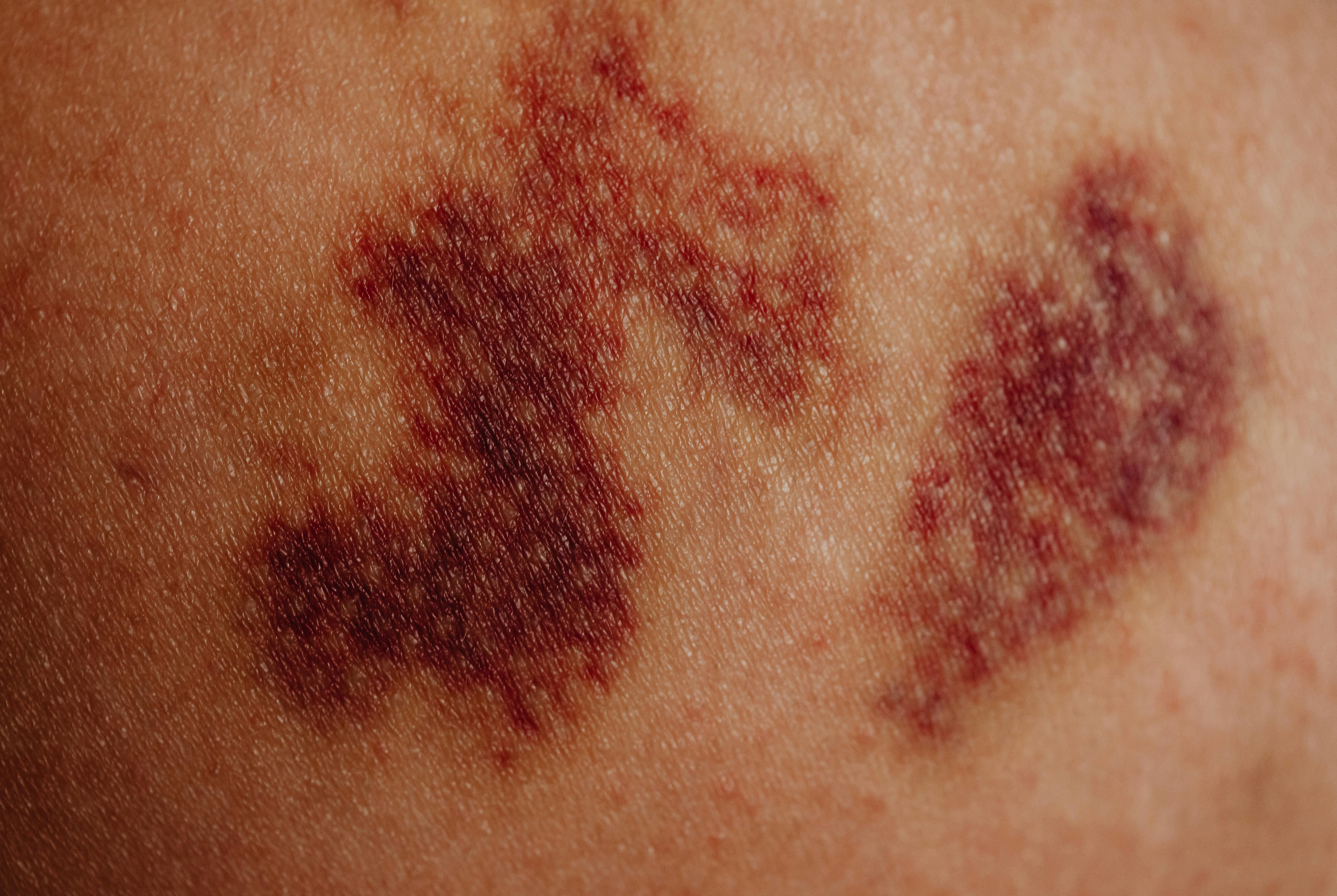
For generations, hydrogen peroxide was something many people reached for after a cut or graze, with the fizzing often seen as a sign that it was cleaning the wound. However, current wound care guidance takes a different approach. Hydrogen peroxide can damage cells involved in the wound-healing process, so it is not generally recommended for cleaning minor wounds.

This guide explains what hydrogen peroxide does to a wound, why it is not recommended for routine wound cleaning, and how to clean and care for a minor wound at home using the Elastoplast Clean, Protect and Heal routine.
Can you use hydrogen peroxide on a cut?

In most cases, it’s not a good idea. Hydrogen peroxide will help kill some surface bacteria, but it also can it can also damage healthy cells at the wound1. For minor cuts, scrapes and grazes, current guidance is to clean the wound with clean running water or a gentle wound cleanser rather than hydrogen peroxide.


Hydrogen peroxide can kill some bacteria, but it can also damage healthy cells, which is why it is not generally recommended for cleaning minor wounds.

What does hydrogen peroxide do to a wound?

Hydrogen peroxide is a reactive oxygen compound, which means it works by oxidising what it touches. The fizzing feeling is oxygen being released when the peroxide meets an enzyme called catalase found in blood and skin. It happens regardless of whether bacteria are present or not, so don't take the bubbles as a sign of how many germs are being removed.

The problem is that hydrogen peroxide is not selective in how it works, so it damages healthy human cells, as well as bacteria2. It is also a weak, short-acting antiseptic and cannot sterilise a wound. In practice, the body is well equipped to deal with everyday bacteria on its own, if the wound is cleaned and covered.

Why hydrogen peroxide can delay wound healing

Wound healing moves through several overlapping stages3:

  • Bleeding stops. The wound seals, and bleeding is now under control.
  • Inflammation. The body cleans the area and defends against bacteria.
  • Proliferation. New tissue and skin are built to close the wound.
  • Maturation. The new skin gradually strengthens over time.

During the proliferation stage, cells called fibroblasts build the collagen framework for new skin, while fresh skin cells spread across the surface to close the wound. Hydrogen peroxide is particularly damaging to these cells, as when applied, especially more than once, it can harm delicate new tissue as it forms. For this reason, hydrogen peroxide is not generally recommended for routine wound care.


Hydrogen peroxide can damage fibroblasts and new skin cells involved in the wound-healing process.

4 high risk factors of using hydrogen peroxide for wounds

There are some situations where using hydrogen peroxide is genuinely unsafe. These include:

  1. Deep or puncture wounds: Hydrogen peroxide breaks down into water and oxygen on contact with tissue. In a deep, narrow or enclosed wound, that oxygen has nowhere to escape, and in rare cases this has caused a serious complication called a gas embolism4.
  2. Large or heavily bleeding wounds: These require medical advice rather than treatment at home.
  3. Fragile or elderly skin: Older skin is thinner and more easily damaged, so harsh chemicals are best avoided in favour of gentle cleansing.
  4. Minor cuts during pregnancy: Plain clean water or a gentle wound cleanser is the safest choice. If you’re pregnant, it’s best to ask a pharmacist or GP before using any antiseptic product.

If you have a deep cut, a puncture wound or a wound that will not stop bleeding, then seek medical advice rather than treating it at home.


Hydrogen peroxide should never be used on deep or puncture wounds because the oxygen it releases inside an enclosed wound can, in rare cases, cause a dangerous gas embolism.

Hydrogen peroxide, alcohol and other wound care myths

Hydrogen peroxide is not the only old first-aid myth that modern wound care has dispelled.

Is hydrogen peroxide or alcohol better for cuts?

Both hydrogen peroxide and rubbing alcohol were once first-aid staples passed down from generation to generation before the internet was as popular as it is today, but both can damage tissue and slow healing.

Rubbing alcohol is better saved for disinfecting equipment, such as tweezers, before removing a splinter. It's more advisable to clean the wound itself with water or a suitable wound cleanser instead.

A few other myths worth clearing up

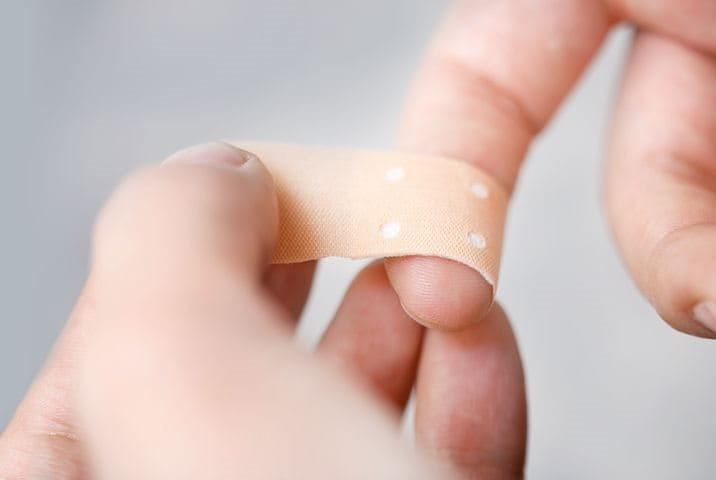
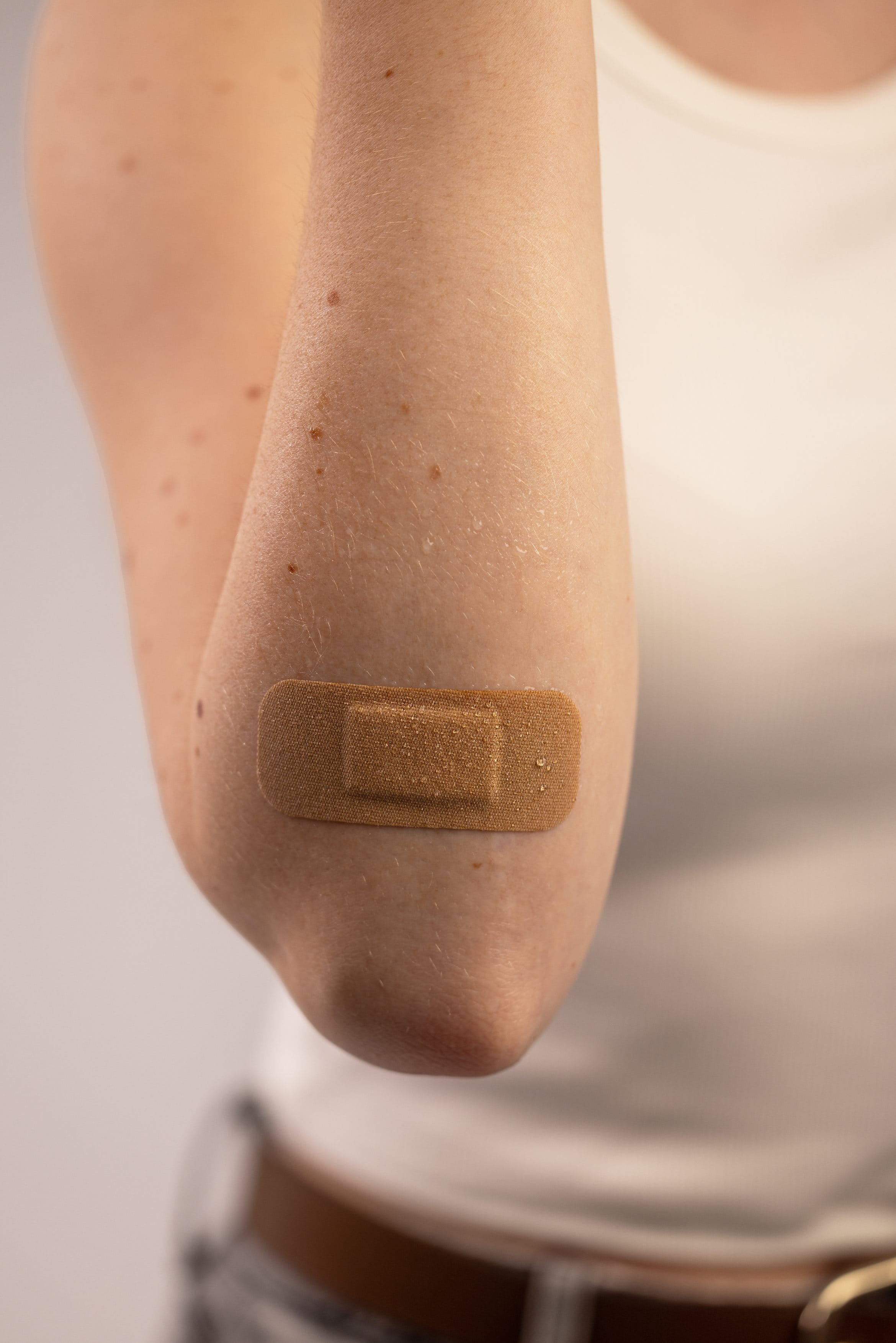
Image of a plaster on a person's elbow
It’s best to stick to specialised wound care products instead of home remedies when looking after wounds

Although there are many wound care myths across the globe, some of them stand out more than others:

  • The first is that wounds heal best when left open to the air. The truth here is that keeping a wound clean, moist and covered is the best choice, as it supports healing and can reduce scarring.
  • Next, the belief that small wounds need no protection is simply untrue, as even minor wounds can pick up dirt and bacteria, so cleaning and covering them helps.
  • As a bonus, there is a belief that butter helps a burn. It does not. For a minor burn, hold the area under cool running water for around twenty minutes and skip the butter, ice or any other greasy home remedy.

What to use instead: the Elastoplast Clean, Protect and Heal routine

Caring for a minor wound is simple. The Elastoplast Clean, Protect and Heal routine provides an easy way to care for minor wounds at home and supports the natural wound-healing process.

Step 1: Clean

Wash your hands thoroughly, then gently clean the wound. You can rinse it under clean running water or use Elastoplast Wound Spray to cleanse minor wounds through mechanical irrigation, helping to remove dirt and foreign particles. It is alcohol-free, colourless, practical to use and skin-friendly.

Step 2: Protect

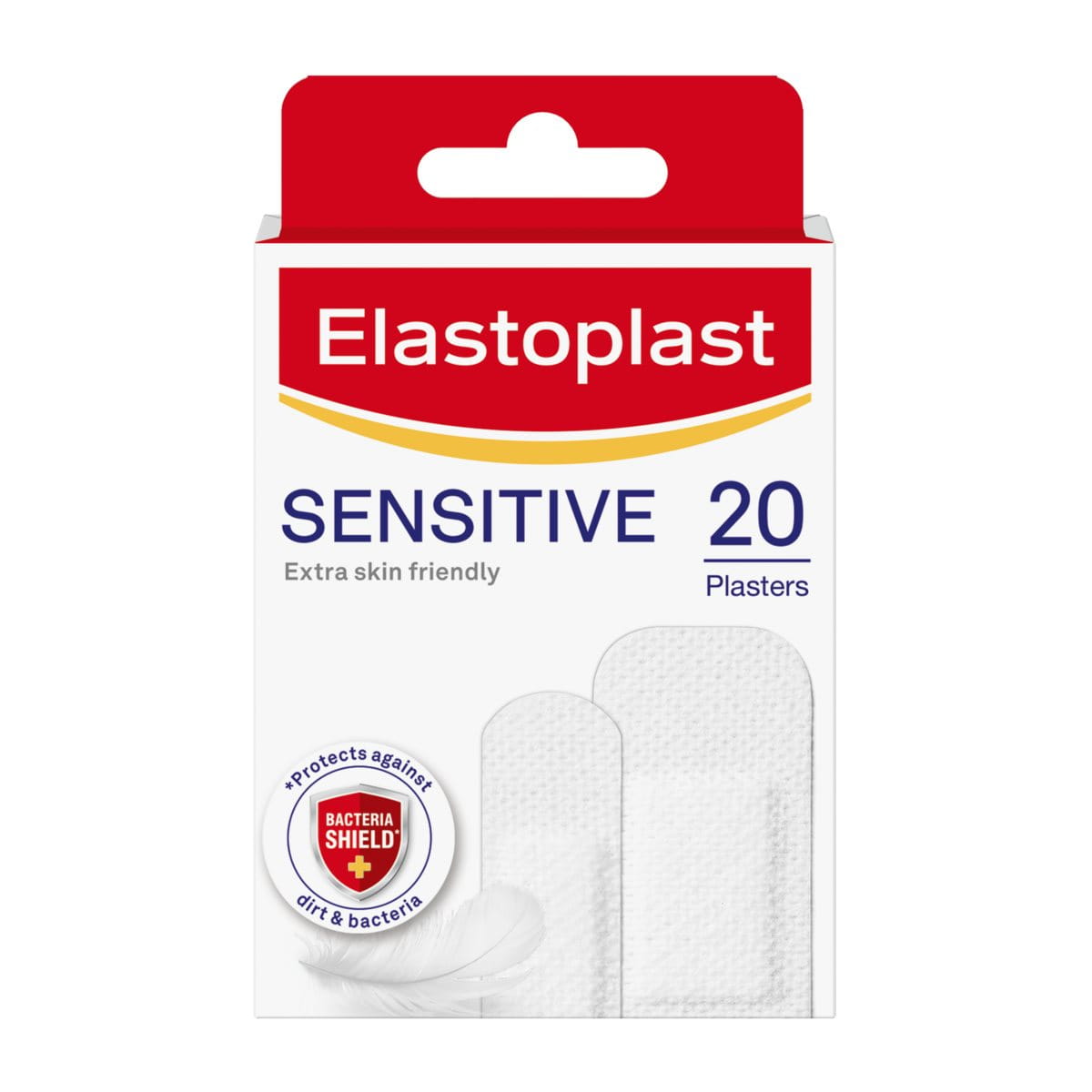
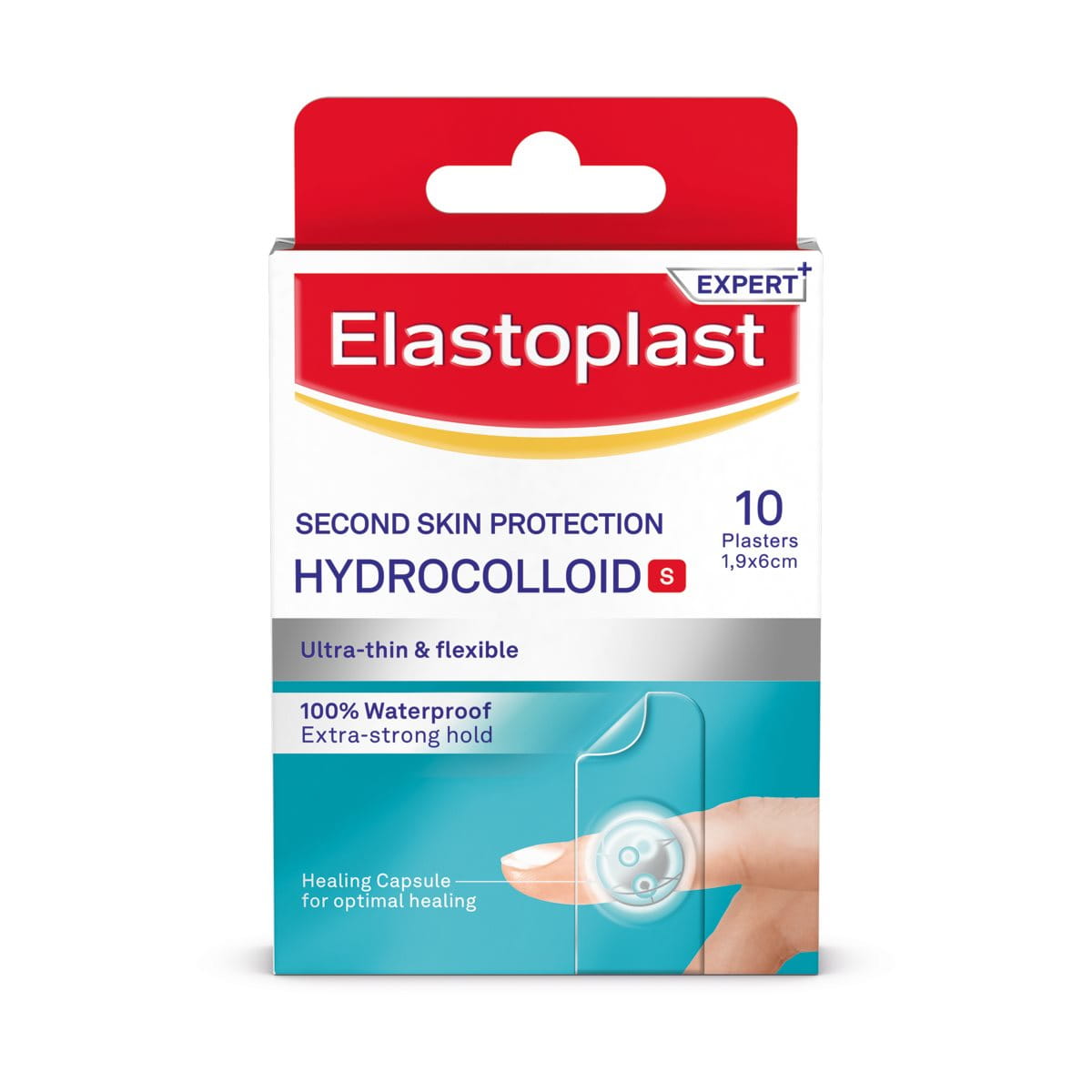
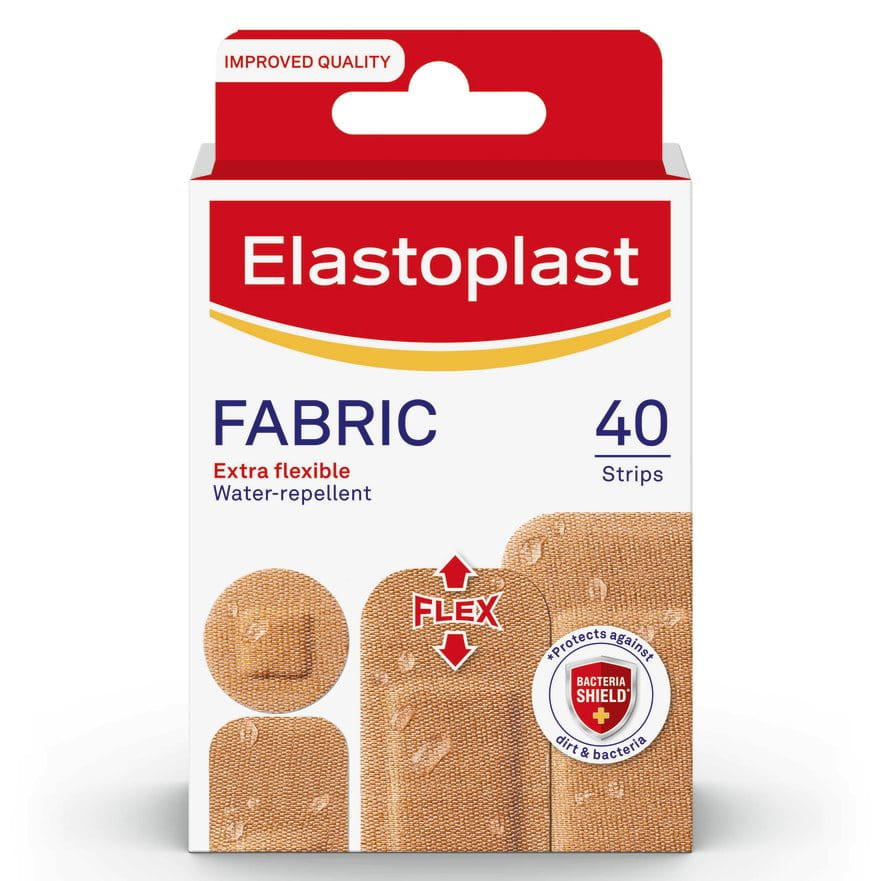
Once the wound is clean and dry, cover it with a suitable plaster or dressing. Choose a plaster that suits the wound and its location. For example, an Elastoplast Fabric Plaster for everyday cuts and grazes, for everyday cuts and grazes, an Elastoplast Sensitive plaster for sensitive skin, or Elastoplast Second Skin Protection Hydrocolloid Plaster for smaller wounds and areas such as fingers. Its Healing Capsule Technology creates a moist wound environment to support the natural wound-healing process, while its extra-strong hold helps keep the plaster securely in place.

Related Products

Step 3: Heal

Infographic showing steps of Cleanse, Protect and Heal routine
Elastoplast’s Cleanse, Protect and Heal routine helps care for wounds

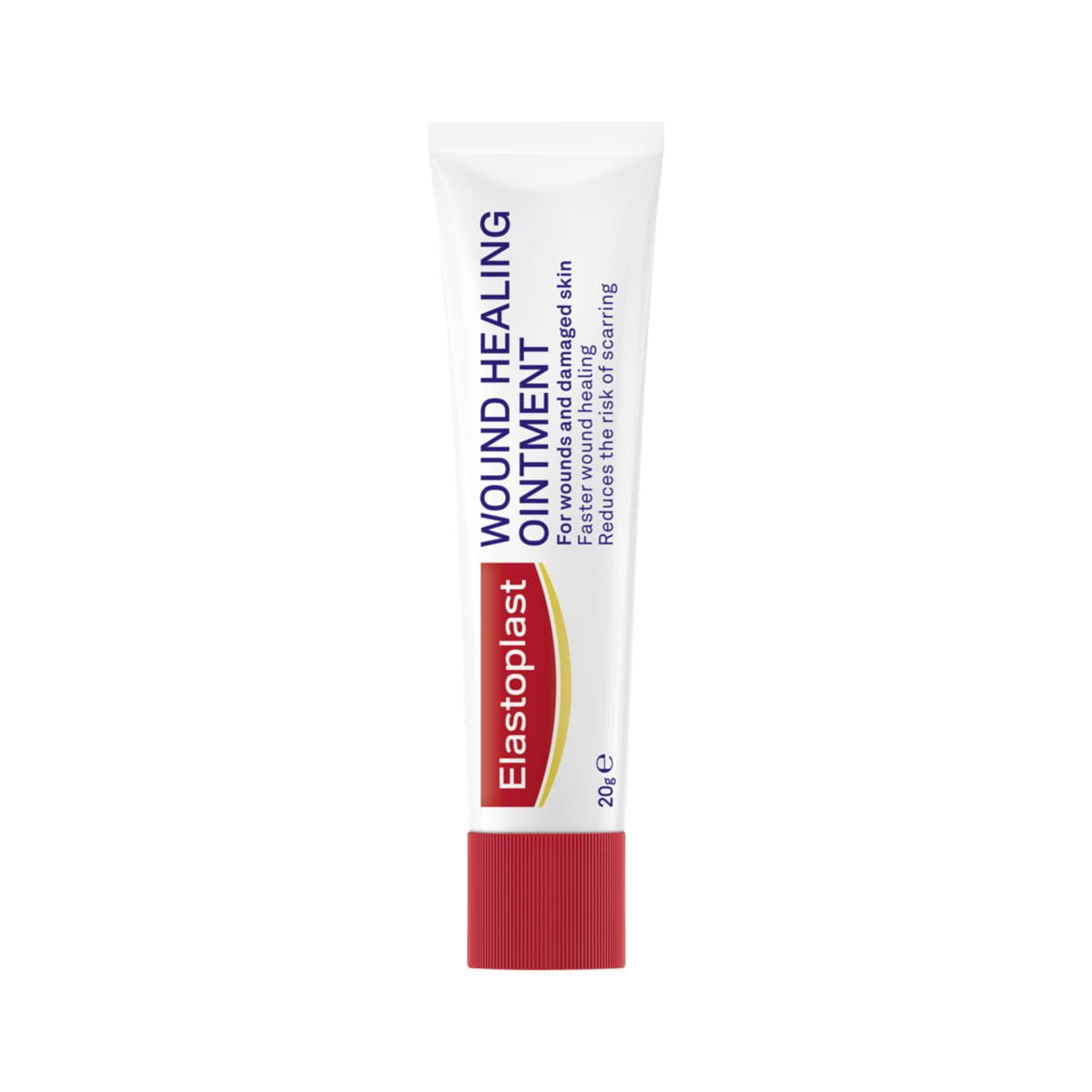
Elastoplast Wound Healing Ointment supports the natural wound-healing process. It helps maintain a moist wound environment and forms a breathable film to help prevent the wound from drying out. It can be used at any stage of the healing process and is skin-friendly and suitable for babies.

Apply a thin film once or twice a day. Cover with a plaster or dressing if needed.

Summary: Hydrogen peroxide and wounds

Hydrogen peroxide was a first-aid staple across the world for decades, but the truth is that it can damage the healthy cells the skin needs to repair itself and can slow healing down. It should never be used on deep or puncture wounds because of the rare but serious risk of gas embolism.

For minor cuts and grazes, cleaning with clean running water or a gentle wound cleanser, covering the wound, and supporting a moist healing environment is a safer and more effective approach. The Elastoplast Clean, Protect and Heal routine offers a simple way to do this at home. 

FAQs: Hydrogen peroxide for wounds (10)

Related Articles

Sources

  1. Cleveland Clinic. *How To Clean a Wound: Basic Wound Care*. health.clevelandclinic.org. https://health.clevelandclinic.org/handling-injuries-from-small-cuts-to-serious-wounds.
  2. Loo, A. E.; Halliwell, B. Effects of Hydrogen Peroxide in a Keratinocyte-Fibroblast Co-Culture Model of Wound Healing. *Biochem. Biophys. Res. Commun.* **2012**, *423* (2), 253–258. https://doi.org/10.1016/j.bbrc.2012.05.100.
  3. Almadani, Y. H.; Vorstenbosch, J.; Davison, P. G.; Murphy, A. M. Wound Healing: A Comprehensive Review. *Semin. Plast. Surg.* **2021**, *35* (3), 141–144. https://doi.org/10.1055/s-0041-1731791.
  4. Medicines and Healthcare products Regulatory Agency. Hydrogen Peroxide: Reminder of Risk of Gas Embolism When Used in Surgery. *Drug Saf. Update* **2014**, *8* (5), A4. https://www.gov.uk/drug-safety-update/hydrogen-peroxide-reminder-of-risk-of-gas-embolism-when-used-in-surgery.

Always see a doctor if the wound is deep, bleeds heavily or shows signs of infection like reddening, swelling or warmth.

Please note that, although these were compiled with great care, the tips and advice given on this website by no means substitute medical advice and treatment. If you have or suspect a health problem, consult a doctor and follow medical advice regardless of what you have learned on this website.

Always read carefully and follow the instructions for use or the leaflets of our products. For further information about our products, please contact us via email at ConsumerRelationsUK@Beiersdorf.com.