Image

Blisters: What is a blister and how do blister plasters work?

8 min. read
Show More

Published: October 2025

Last Reviewed: November 2024

Blisters are a common skin concern caused by friction, heat, or pressure, most often on the feet and hands. Knowing how to care for them properly can help you stay comfortable and avoid infection. Here’s everything you need to know about blisters and how blister plasters can help them heal faster.
What is a blister?

A blister is a raised area of skin filled with a small pocket of fluid. It develops when the outer layer of skin, the epidermis, separates from the layers beneath due to friction, pressure, heat, or moisture. This fluid-filled sac cushions the skin, protecting it from further damage and reducing discomfort. 

Blisters can occur anywhere on the body, but they are most common on the hands and feet. They may feel tender, itchy, or painful and can vary in size.  While most blisters heal naturally within a few days, proper care can help reduce pain and prevent infection.
Key signs of a blister include redness, tenderness, and a fluid-filled bump.

Types of blisters

Blisters form in different ways depending on their cause, such as friction, burns, or pressure.  The main types include:

Friction blisters

Friction blisters develop because of repeated rubbing or pressure. They are common on the feet, often caused by walking or running in ill-fitting shoes, or on the hands from using tools or sports equipment.

Blood blisters

Blood blisters are caused when the skin is pinched or subjected to trauma. The underlying blood vessels break, filling the blister with a mixture of fluid and blood while the skin remains intact.

Heat blisters

Heat blisters develop after burns or exposure to extreme temperatures. They may form after sunburn, frostbite, or contact with hot objects . Preventive measures include wearing gloves, appropriate clothing, and SPF protection.

Should you pop a blister?

It is safest to leave a blister intact. The outer skin, or blister roof, protects the wound from infection and helps it heal faster. Puncturing or peeling a blister can create an open wound, increasing the risk of infection and delaying recovery.
Leave blisters intact for protection and faster healing. Popping them risks infection and slows recovery.
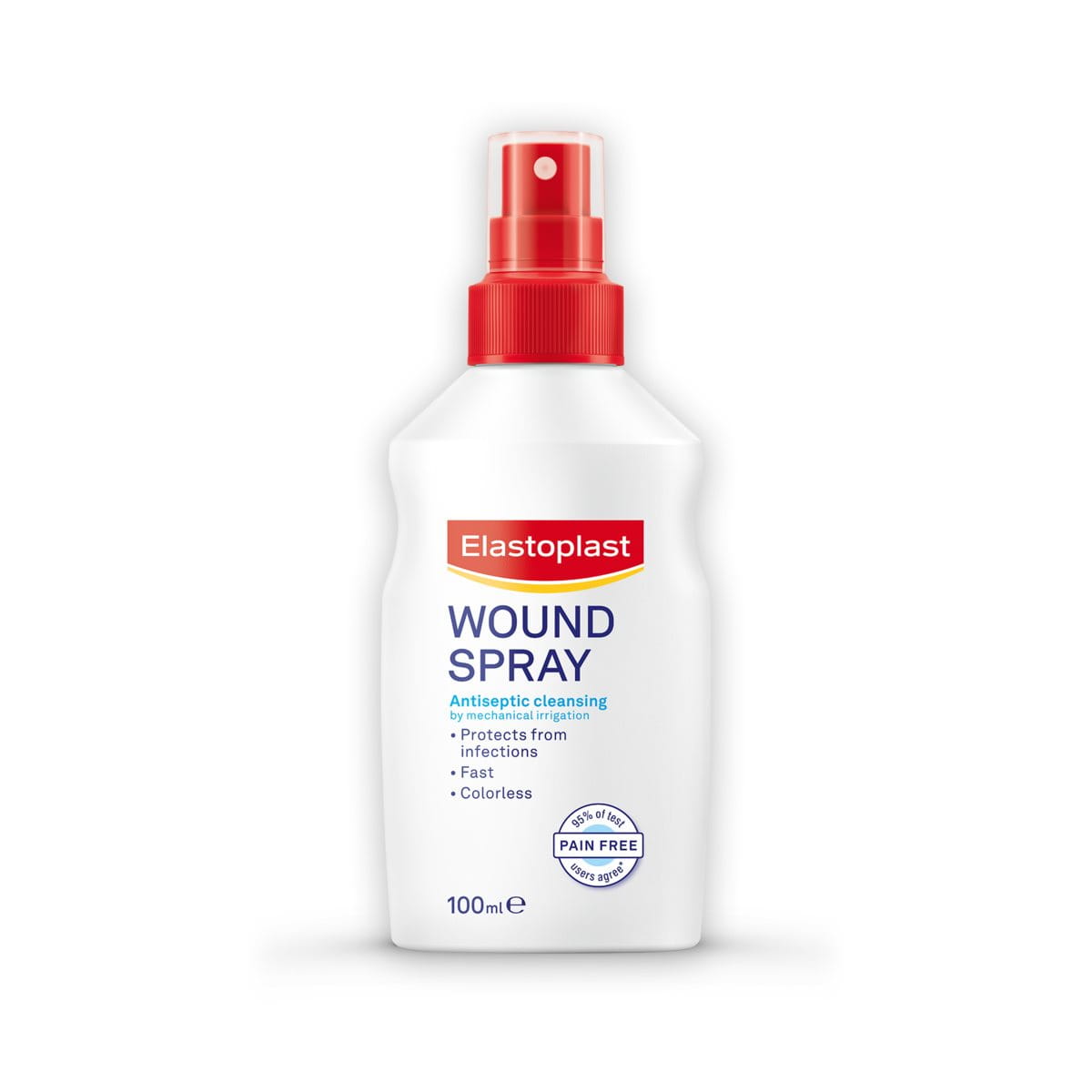
If a blister bursts naturally, gently clean the area with soap and water or a wound spray like Elastoplast Wound Spray, then cover it with a suitable plaster. Avoid removing the roof of the blister, as it provides a natural protective layer.

First aid for blisters

Applying a hydrocolloid blister plaster to the heel
Elastoplast Blister Plasters cushion and protect blisters while creating a moist environment for faster healing.

Blisters happen to everyone, especially when you’re on the move. Knowing a few simple first aid tips can help protect them, ease pain, and speed up healing.

  1. Wash your hands, then clean the affected area with water or wound spray to remove any dirt or impurities, helping to reduce the risk of infection. Elastoplast Wound Spray is designed to be gentle on the skin while effectively cleansing. 
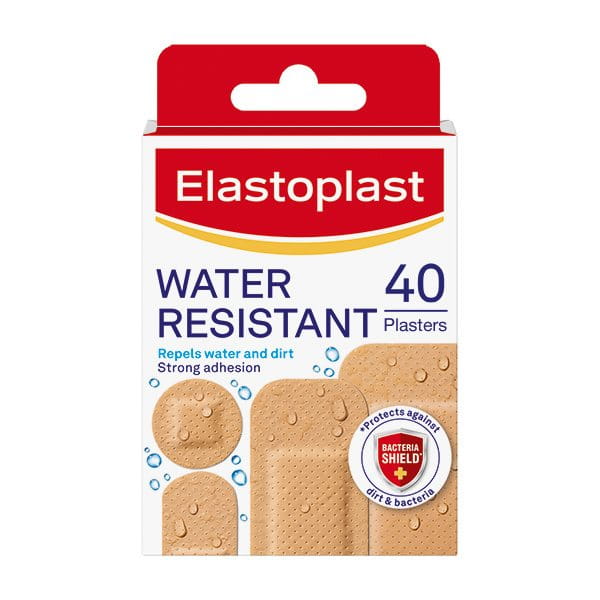
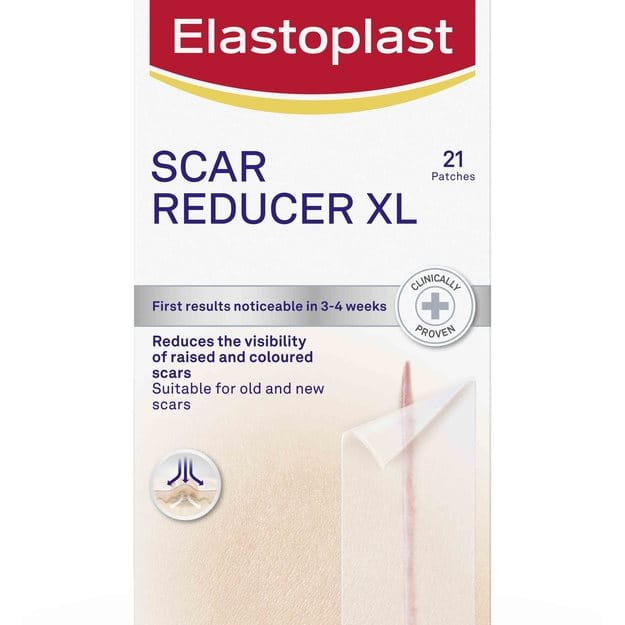
  2. Cover the blister with a suitable plaster, such as an Elastoplast Blister Plaster, or Elastoplast Water Resistant Plaster to protect it from friction, rubbing, and contamination, allowing skin to heal naturally. Unlike most generic plasters, these cushion the blister, help maintain a moist healing environment, and stay securely in place even during movement. 
  3. Keep an eye on the blister for any signs of infection, such as redness, warmth, swelling, or pus, and act promptly if these appear.  
     

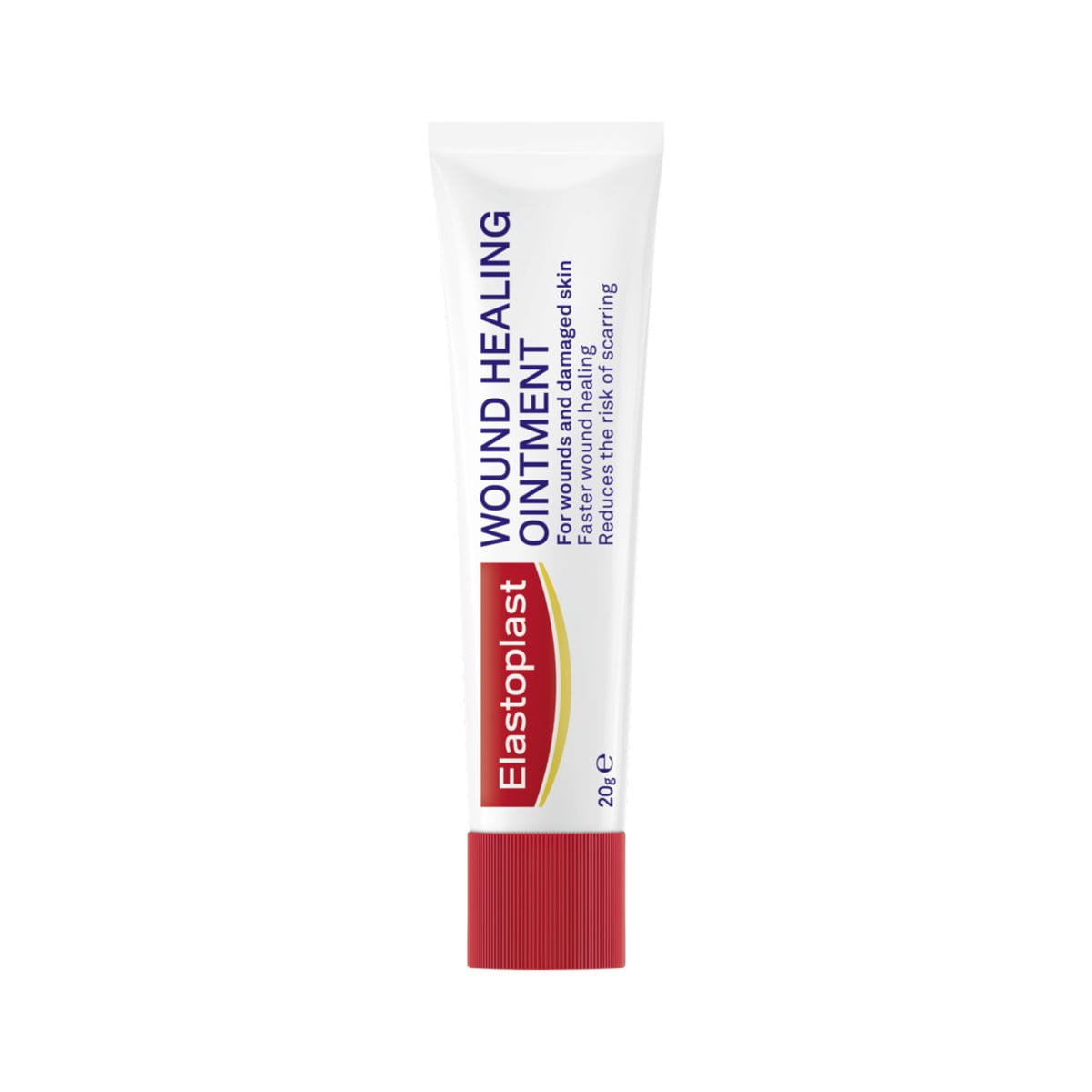
Tip: If the blister has burst, ensure the fluid has drained, then gently clean the area and apply some Elastoplast Wound Healing Ointment before covering it with a plaster.

Related Products

How do blister plasters work?

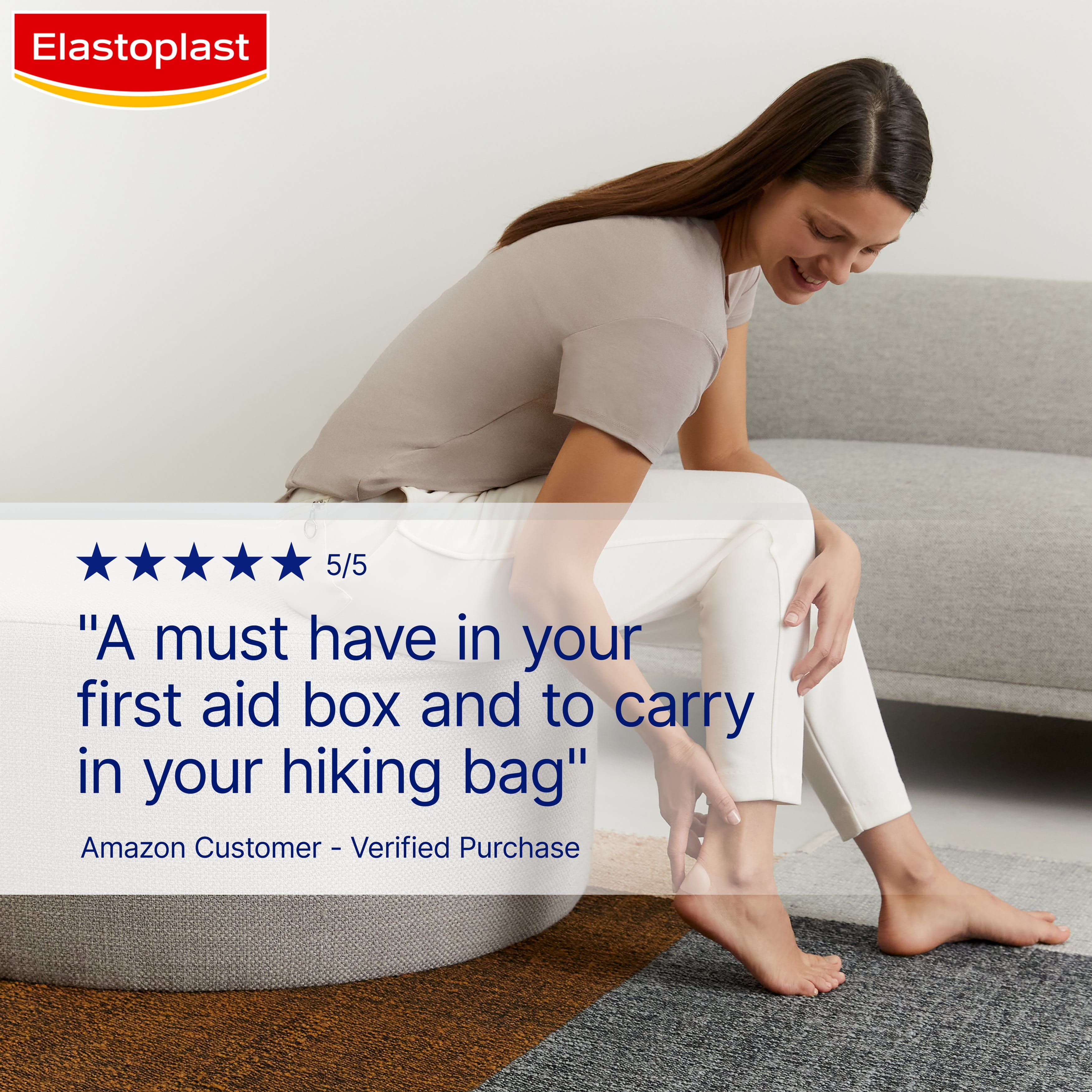
a positive customer review about blisters “Relieved my blister pain and allowed me to continue wearing my new leather boots”
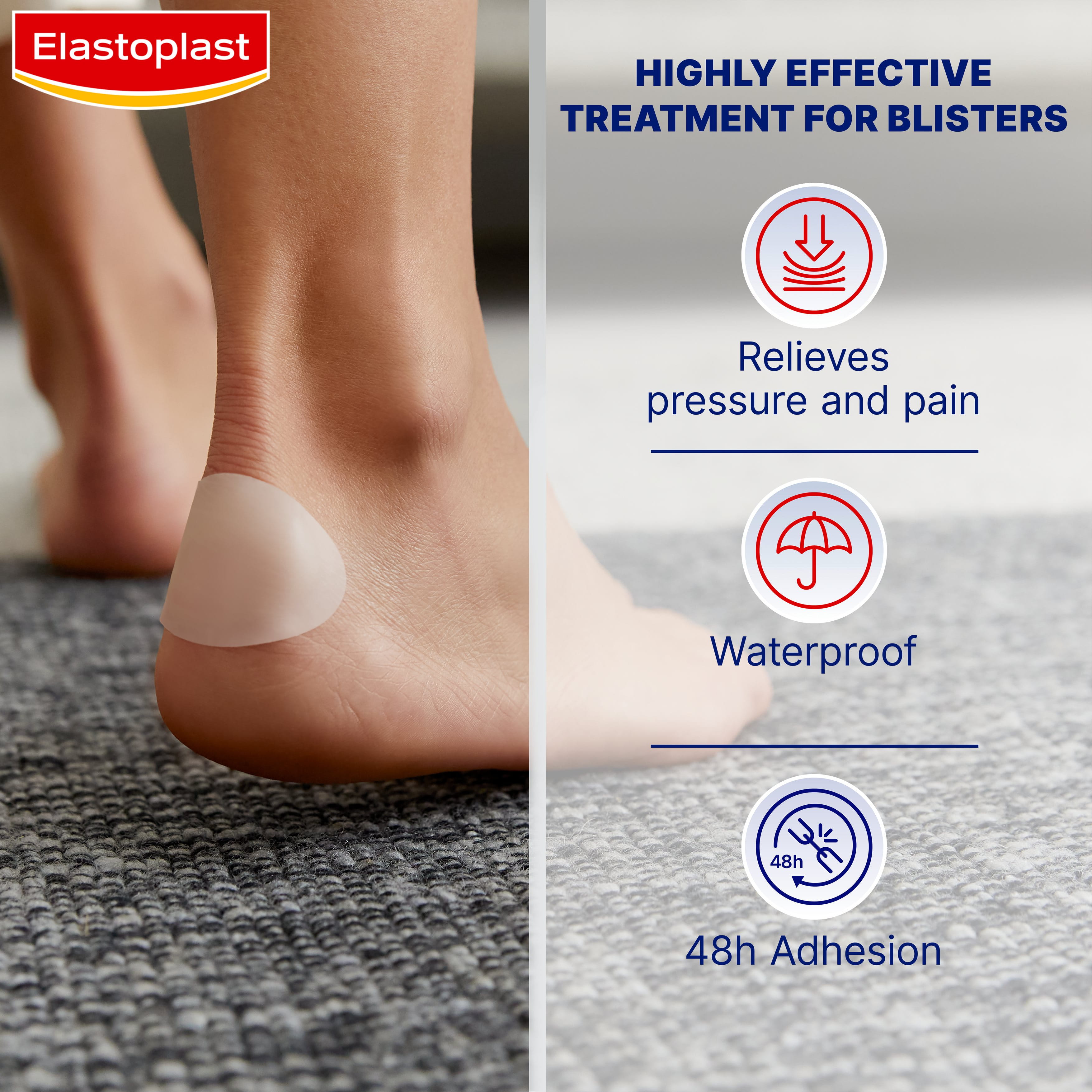
Elastoplast blister plasters provide instant pain relief and protection, helping blisters heal faster and stay protected from friction and bacteria
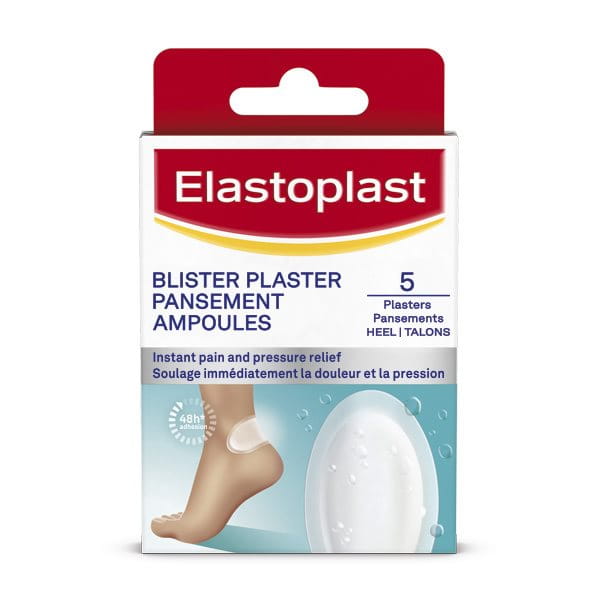
Elastoplast Blister Plasters are designed to protect blisters and promote faster healing. They work by cushioning the affected area, relieving pressure-induced pain, and providing a barrier against dirt and bacteria.

These plasters use hydrocolloid technology, which maintains a moist healing environment similar to the function of a scab. This helps the skin repair itself more efficiently, reduces pain, and can speed up the healing process.

How to prevent blisters

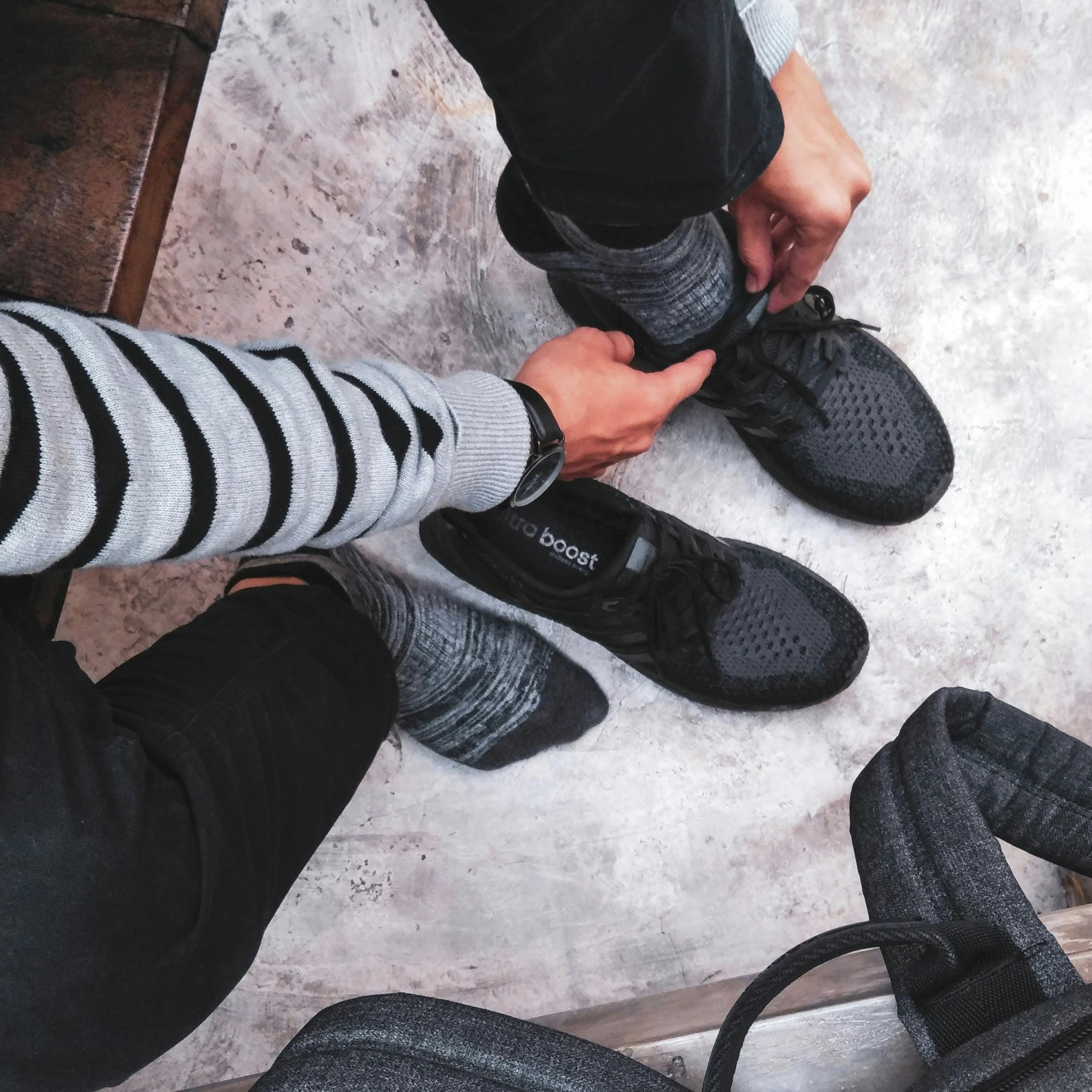
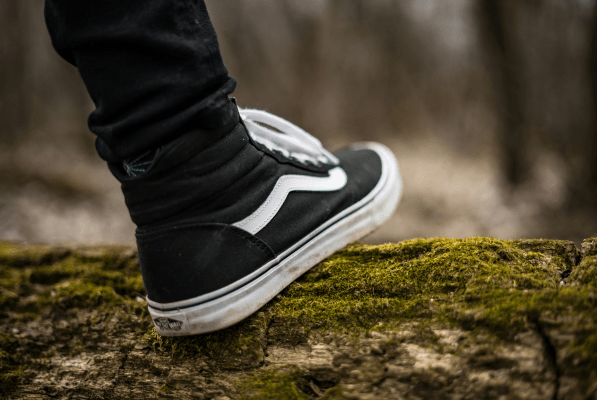
Proper-fitting footwear and socks reduce friction and prevent blister formation.

Prevention is essential, especially for those prone to friction or pressure-related blisters. Tips include:

  • Wear shoes that fit properly and provide adequate support.
  • Choose moisture-wicking socks and change them if they become wet.
  • Use protective gloves when handling tools or chemicals.
  • Gradually break in new shoes before extended wear.
  • Cover high-friction areas with plasters or padding before activity.

How to treat an infected blister

If a blister becomes infected, it’s important to take care while it heals. Gently clean the area, avoid popping the blister, and cover it with a suitable plaster, such as an Elastoplast Blister Plaster, to protect it from friction and contamination.

When to seek medical help

Seek professional advice if the blister is large, very painful, or shows clear signs of infection, such as redness, warmth, swelling, or pus. Blisters caused by burns or serious trauma should also be checked. Early care helps prevent complications like skin or blood infections.

The guidance in this article does not replace professional healthcare advice. Always follow product instructions and consult a healthcare provider with any concerns.

Key takeaways

Blisters are fluid-filled sacs that develop to protect the skin from friction, pressure, heat, or moisture. The safest way to manage a blister is to leave it intact and protect it with a plaster.  Hydrocolloid plasters, such as Elastoplast Blister Plasters, cushion the blister, maintain a moist environment, and promote faster healing. Proper first aid includes cleaning, covering, and monitoring the blister for infection.

Preventive measures, including well-fitting footwear, moisture management, and protective padding, can help reduce the likelihood of future blisters. Most blisters heal naturally within a week, but medical advice should be sought if complications arise.

FAQs about blisters (8)

Related Articles