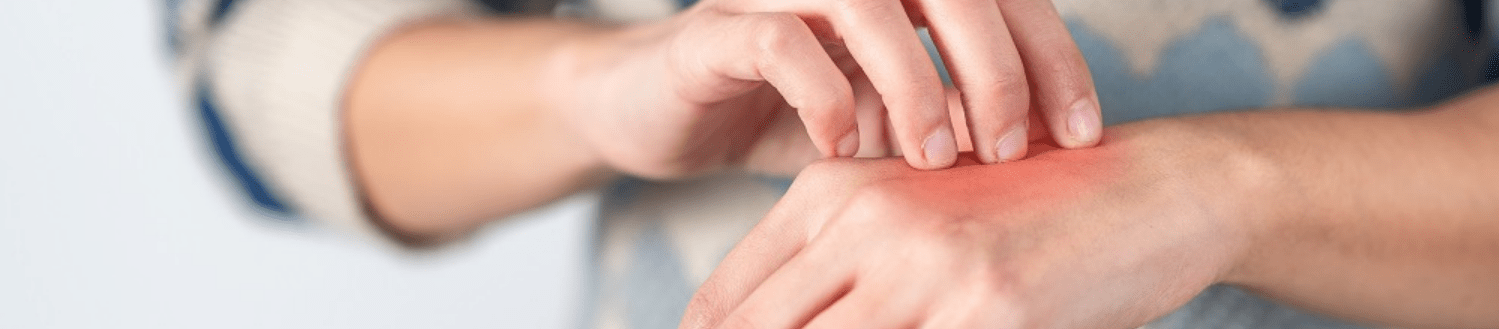
Experiencing an itchy wound is common during healing, whether it is a small cut, a graze or a surgical wound. It is usually a normal sign that the skin is repairing itself and new tissue is forming1. Understanding why this happens can help you care for your wound with confidence.
Why do wounds get itchy during healing?
Itching is a normal part of wound healing
An itchy wound is usually a sign that the skin is actively repairing itself. As new tissue forms and the wound closes, the body activates a series of natural repair processes that can temporarily trigger itching. This is most common in the later stages of healing, when the skin is rebuilding, tightening and becoming more sensitive2.
Itching is a normal part of healing as the wound closes and new skin forms, especially in the later stages of recovery.
Inflammation or histamine release
When a wound occurs, white blood cells such as neutrophils and macrophages move into the area to clear damaged tissue and support repair. As part of this inflammatory response, histamine is released3.
Histamine contributes to healing by:
Increasing blood flow to the wound.
Helping immune cells reach the affected area.
Supporting the body’s response to injury or infection.
Stimulating skin nerve endings, which can be felt as itching.
This process is a normal part of the body’s defence and repair mechanism, even though it may cause temporary discomfort4.
Nerve healing and sensitivity
Skin injury can also affect nearby nerve endings, which may become irritated or temporarily damaged. As these nerves regenerate, they often become more sensitive, which can result in itching sensations during recovery3.
As nerve pathways repair and reconnect, sensitivity gradually settles, but itching may come and go during this process.
Tissue regeneration and proliferation
During the proliferation phase of healing, the body produces new skin cells, blood vessels and connective tissue to replace damaged areas3. As this new tissue forms, the wound contracts and gradually closes.
This can cause itching due to:
Formation of new skin tissue.
Tightening and stretching of healing skin.
Increased sensitivity in regenerating tissue.
This stage is essential for restoring the skin barrier, but it can feel uncomfortable as the skin structure changes.
Scabbing, dryness and skin tightness
As the wound continues to heal, a scab may form to protect the area while new skin develops underneath. At the same time, moisture levels in the skin can temporarily be reduced.
Common effects include:
Dryness around the wound area.
Tight or rigid feeling as the scab forms.
Increased irritation of nearby nerve endings.
These changes are common in the final stages of surface healing and can contribute to itching until the skin fully strengthens5.
Is itching a sign of healing or infection?
In most cases, itching is a normal part of healing as the wound closes and new skin forms. However, itching alone cannot confirm how a wound is healing and should always be considered alongside other symptoms such as pain, redness or swelling6.
Itching is usually a normal part of healing, but it should always be considered alongside other symptoms to understand how the wound is progressing.
Signs your wound may be infected
Most wounds heal without any issues, but it is important to look out for signs that may indicate infection. If a wound is not healing as expected, check for the following:
Increasing redness spreading around the wound.
Swelling or warmth in the surrounding skin.
Pus or unusual discharge.
Pain that worsens instead of improving.
Feeling generally unwell or feverish.
If these symptoms appear, the wound should be checked by a healthcare professional.
How long does wound itching last during healing?
The length of time a wound itches depends on how deep it is and how quickly the skin heals3. Minor wounds usually settle quickly, while deeper or surgical wounds may take longer, with some sensitivity continuing as the skin remodels.
Minor cuts and grazes: A few days to 1 week.
Stitches or deeper wounds: 1-3 weeks, with longer scar recovery.
Surgical wounds: Around 6-8 weeks for initial healing.
Scars: Intermittent itching during long-term remodelling (several months).
Chronic wounds: May take several months or longer and require medical care.
These healing times are based on generalised time frames and can vary depending on individual factors.
Itching duration varies depending on wound depth and how the skin heals.
Why wounds can feel itchier at night
It’s common for itching to feel worse at night. This is usually because there are fewer distractions, so the sensation is easier to notice7. Dry air and reduced movement can also make the skin feel tighter, which may increase the urge to scratch.
Why are my scars still itchy months later?
An itchy scar is a normal part of long-term healing and can continue months after the skin surface has closed. This happens because the deeper layers of skin keep repairing and remodelling over time3.
Several natural processes can cause itching or sensitivity:
Collagen remodelling: The body continues to rebuild the skin by producing and reorganising collagen. This can create tightness in the scar area, leading to mild itching or discomfort.
Reduced oil and sweat glands: Scar tissue contains fewer oil and sweat glands than normal skin. This makes it drier and less flexible, which can increase itching as the scar matures.
Nerve regeneration: Nerve endings slowly regrow after injury. As they reconnect, they can cause occasional itching, tingling or sensitivity even long after the wound has healed.
How to reduce wound itching
While itching is a normal part of wound healing, there are ways to help reduce irritation and discomfort.
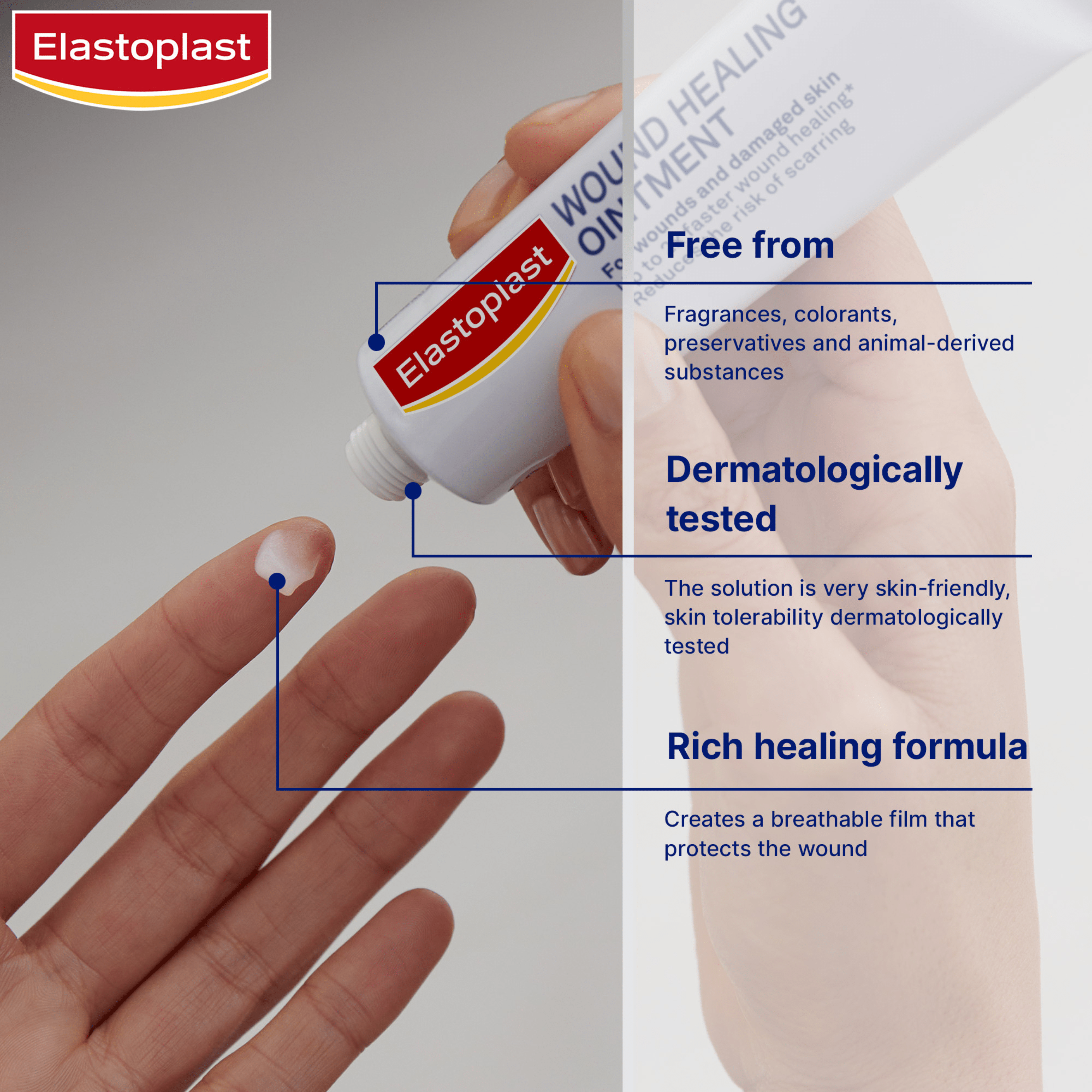
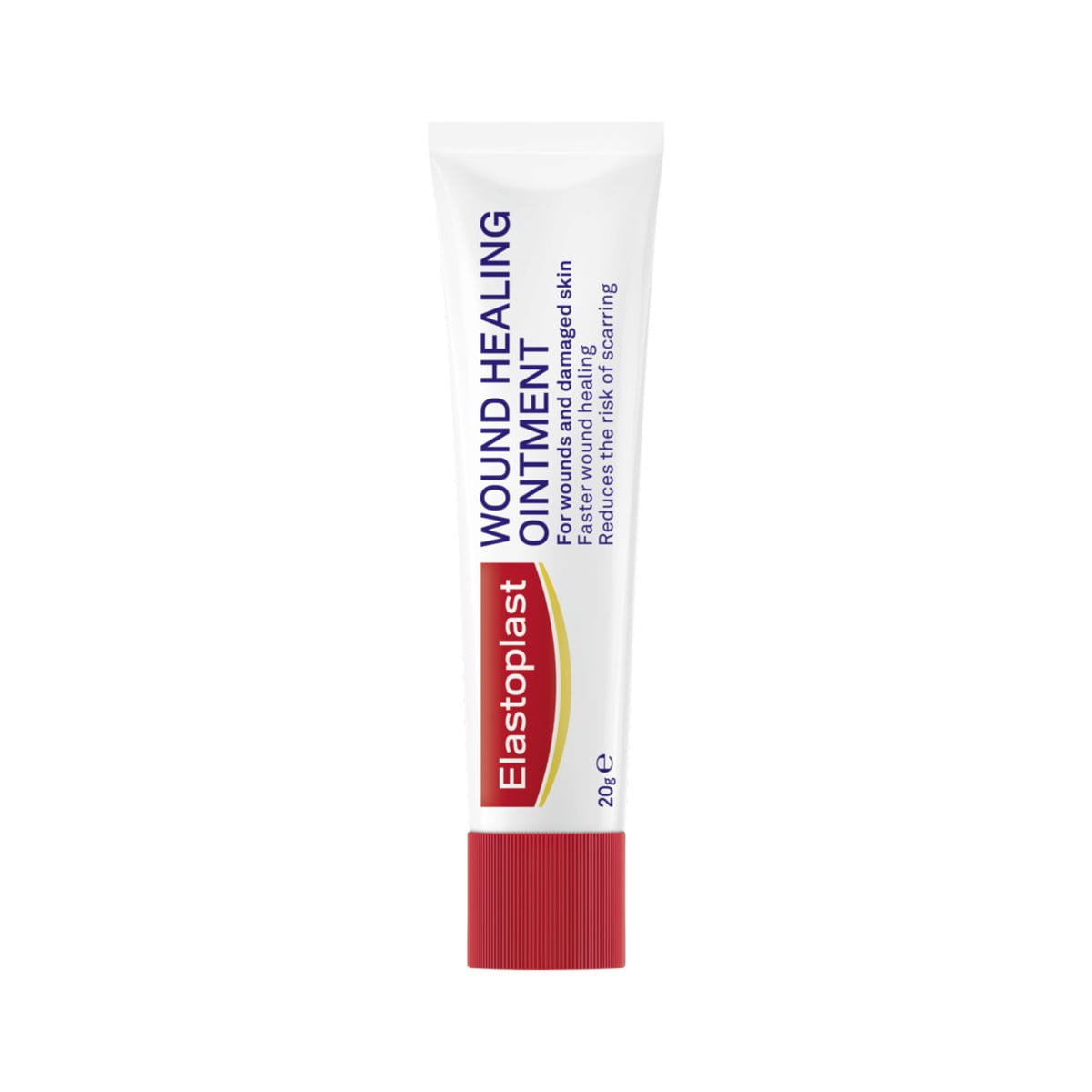
Suitable for use on minor superficial wounds such as cuts, grazes and abrasions
Can be used throughout the healing process on damaged skin
It is clinically tested and helps maintain a suitable environment for wound care.
When using Elastoplast Wound Healing Ointment, allow it to absorb fully before applying hydrocolloid plasters, sprays or liquid plasters, as this may affect adhesion. Always follow individual product instructions for use.
Although scratching may feel relieving, it can delay healing and increase the risk of infection3. Keeping the wound covered helps reduce the urge to scratch and protects the area from external irritation.
Elastoplast offers a range of plasters to suit different needs, including waterproof plasters, options designed for sensitive skin, and flexible fabric plasters. Choosing the right protection helps keep the wound covered and comfortable during everyday movement.
Home remedies for itchy wounds
Here are some additional ways to help reduce itching while wounds heal:
Apply cold compresses: A cold compress can help temporarily reduce itching by calming the skin and reducing sensitivity8. Wrap an ice pack or cold compress in a soft cloth and apply it to the area for 10-15 minutes at a time. Avoid applying ice directly to the skin.
Moisturise the surrounding skin: Dry skin around the wound can increase irritation and make itching worse8. Apply a gentle, fragrance-free moisturiser to the surrounding skin only. A thin layer of petroleum jelly can also help reduce dryness and maintain skin comfort without affecting the wound itself.
Use topical treatments if appropriate: Some topical treatments may help relieve itching, including calamine lotion9 or mild hydrocortisone creams10. Antihistamine or anti-inflammatory creams may also help in some cases, but they should not be applied directly to open wounds unless advised by a healthcare professional. Always follow product instructions carefully.
Consult a healthcare professional: If itching does not improve or is accompanied by other symptoms, medical advice should be sought11.
Speak to a healthcare professional if you notice:
Increasing redness, swelling or warmth.
Pus, discharge or unusual odour.
Worsening pain.
Signs of infection or fever.
Elastoplast protection for itchy wounds
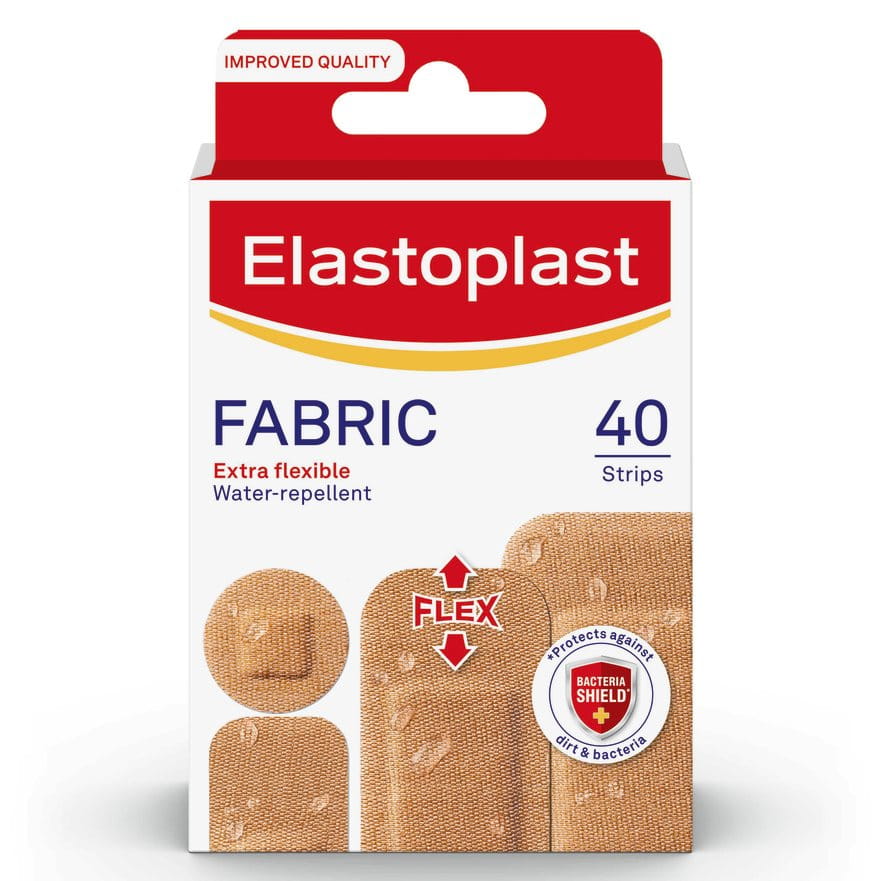
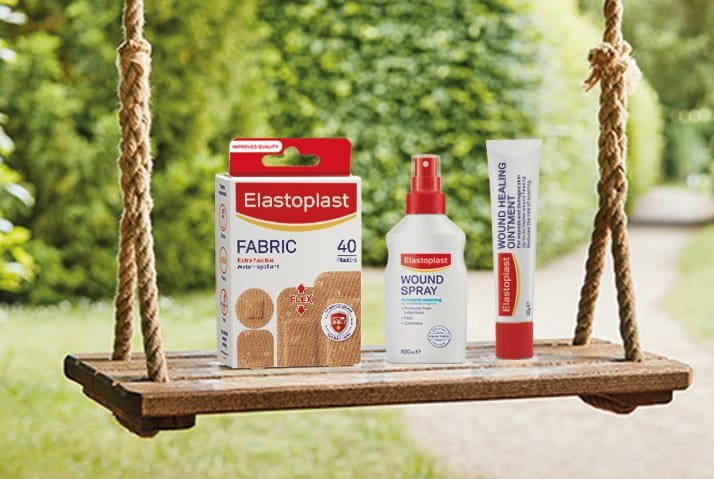
Elastoplast Fabric Platers are ideal for everyday wounds
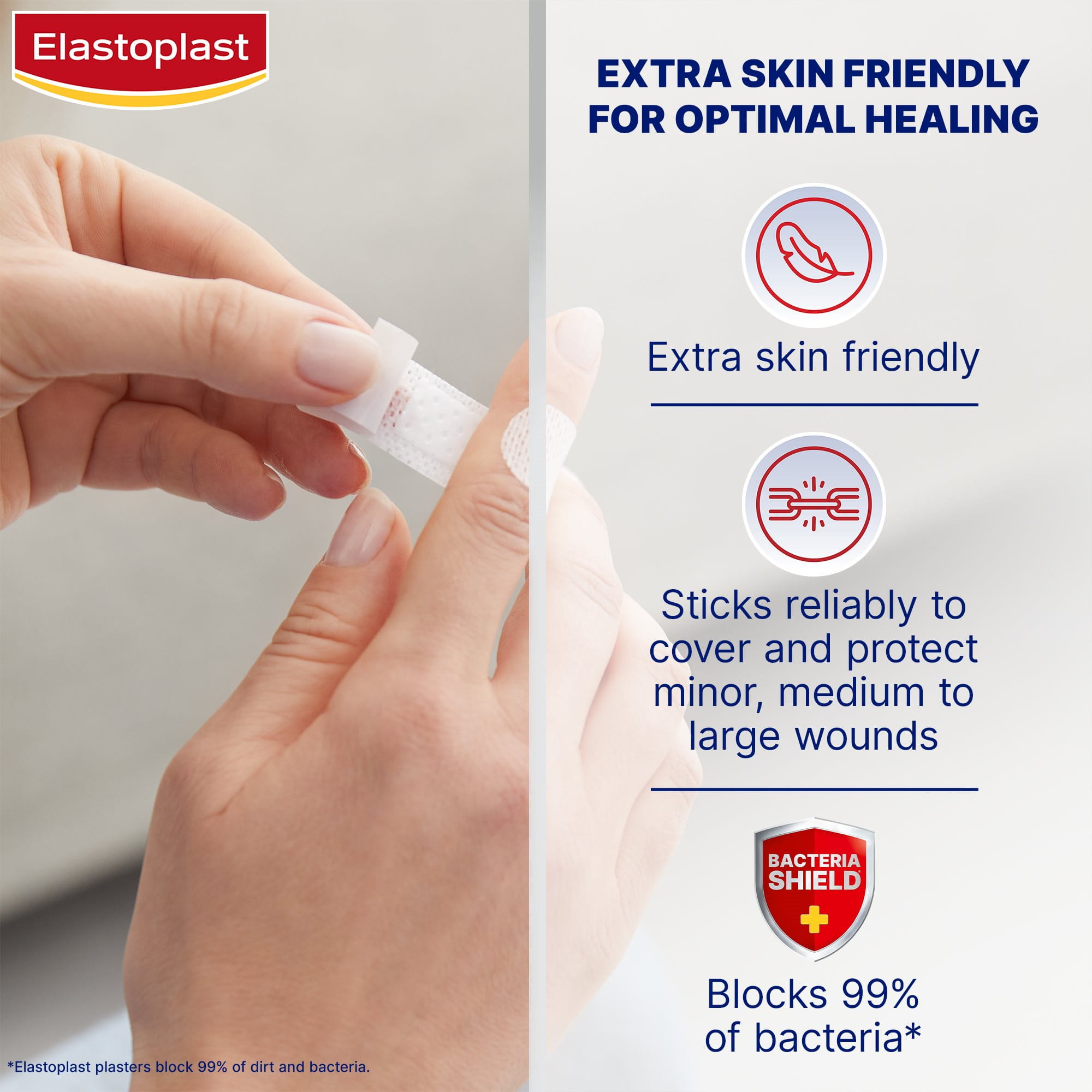
Protecting a healing wound can help reduce irritation and support comfortable recovery by shielding it from friction and external bacteria while the skin repairs itself. Different wounds require different levels of protection, from flexible plasters to sensitive skin or waterproof options, helping keep the area protected and comfortable during healing.
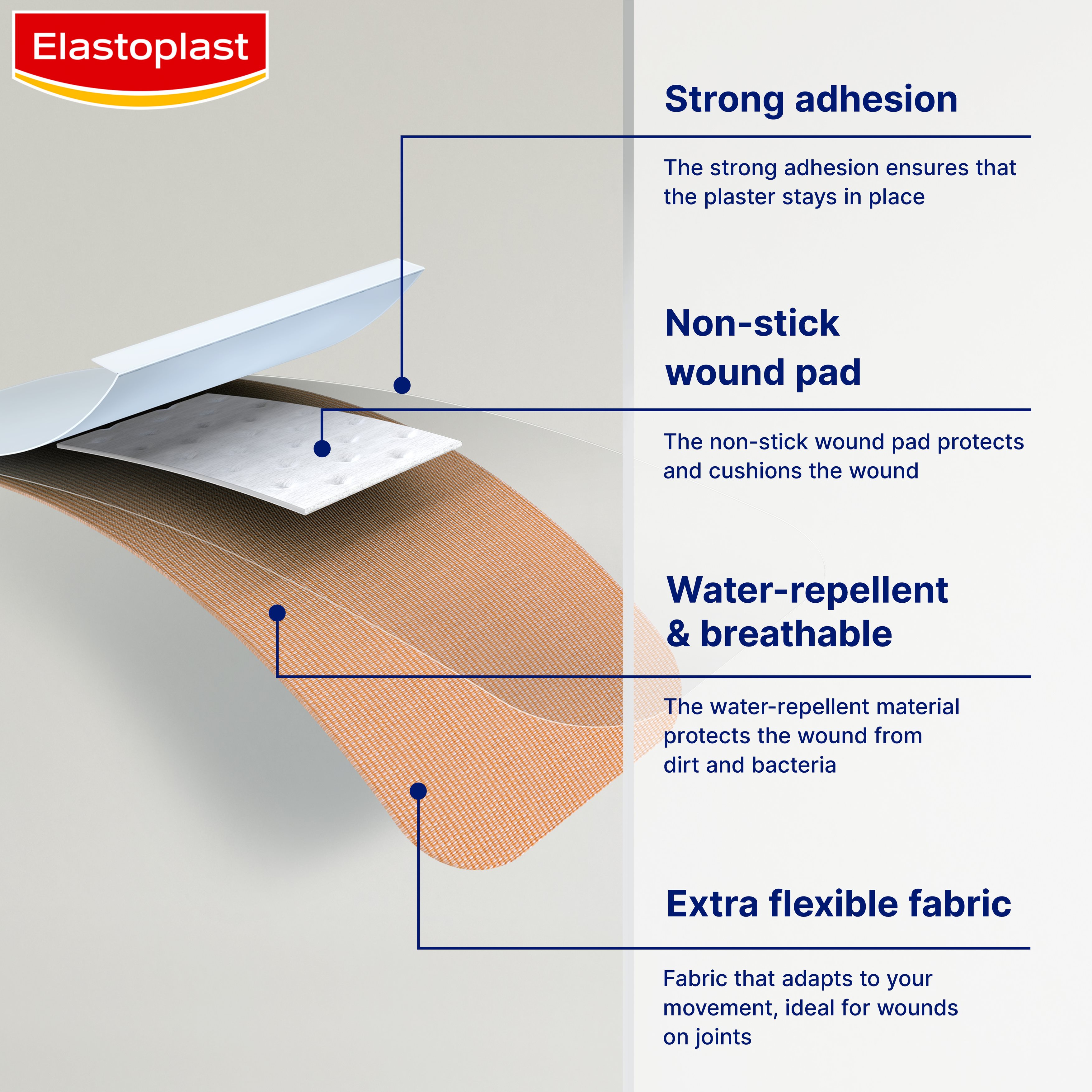
Suitable for: minor cuts and grazes on areas that move frequently, such as hands, fingers, and joints.
Made with extra flexible fabric that moves with the skin for comfortable protection without restricting movement. A non-stick pad cushions the wound, strong adhesion keeps it secure, and the water-repellent material helps protect it during everyday activities.
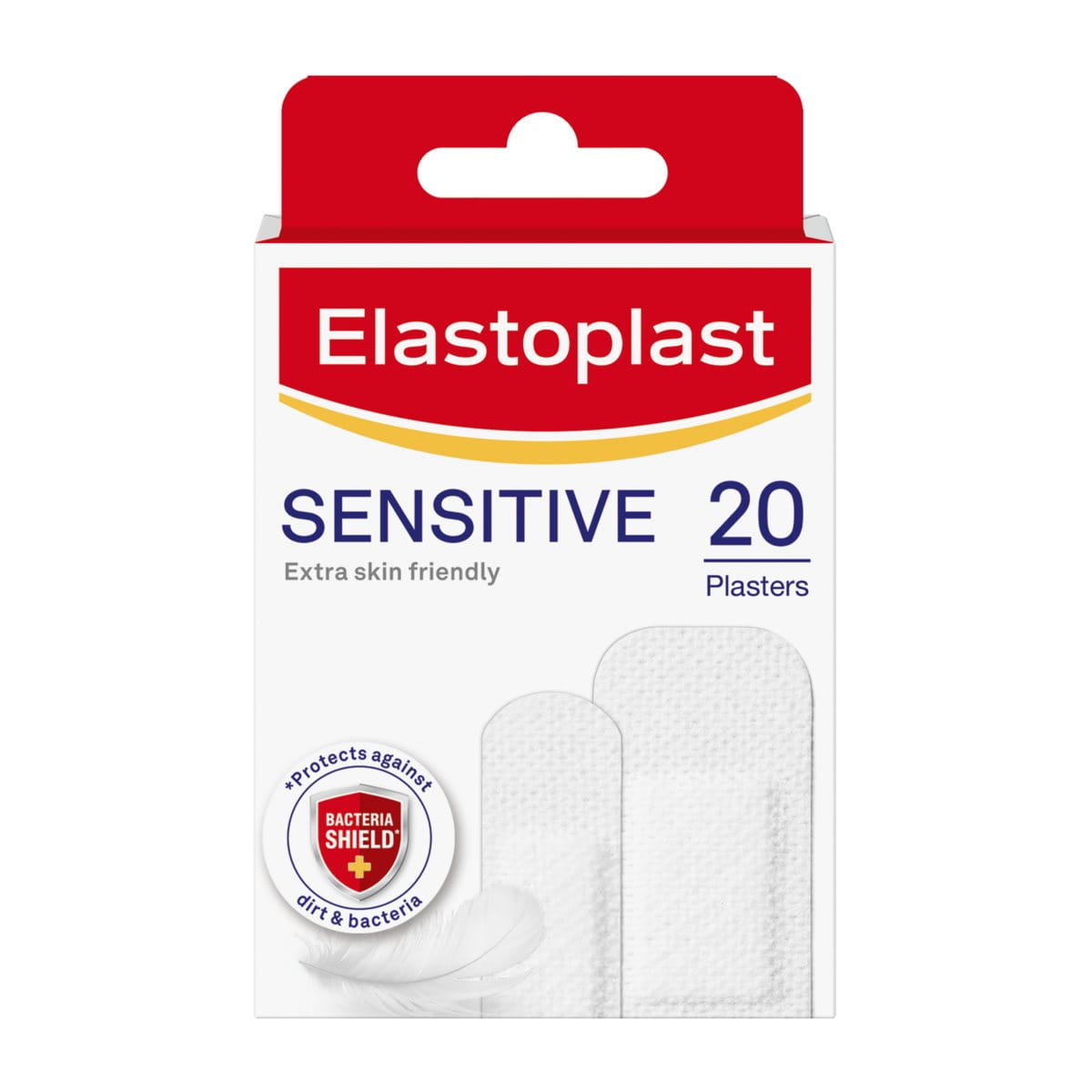
Suitable for: Small wounds on sensitive or easily irritated skin.
Made with hypoallergenic material that is gentle on skin while protecting minor wounds. Secure adhesion keeps it in place for up to 24 hours, including in contact with water, and allows for painless removal.
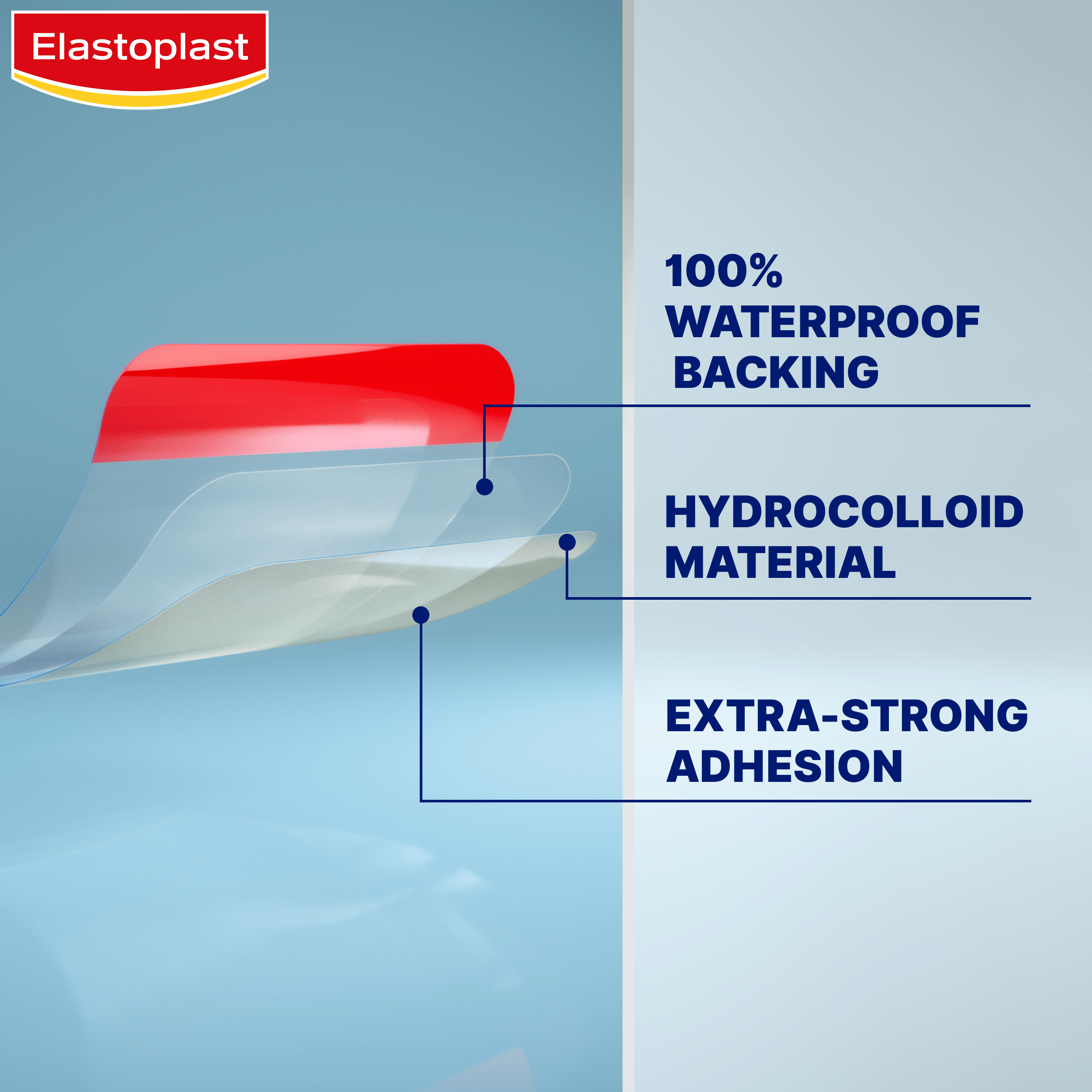
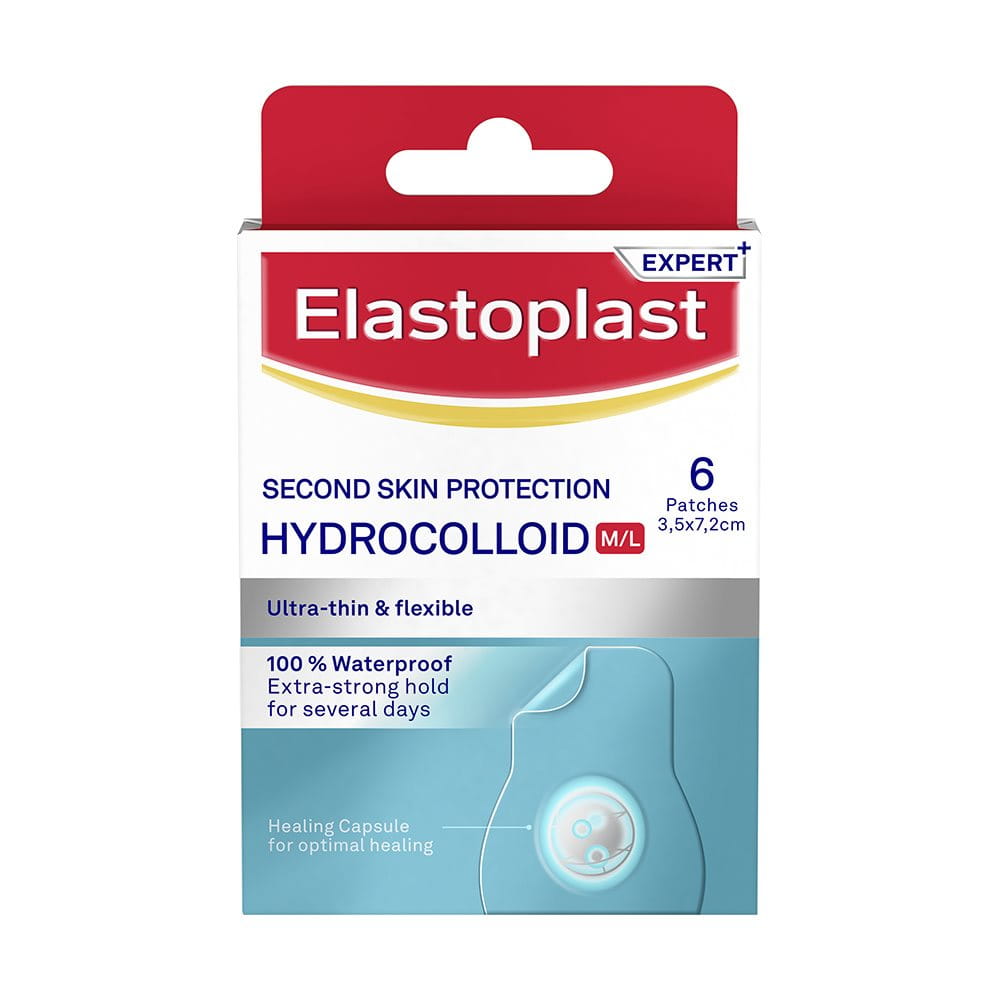
Suitable for: Wounds that benefit from moist healing and extended protection.
Creates a cushioned, moist healing environment that supports natural recovery. The ultra-thin, flexible design forms a protective barrier against dirt and bacteria while remaining discreet and comfortable during wear.
An itchy wound is usually a normal sign that the skin is healing, often occurring as new tissue forms and the wound begins to close. While this is typically part of the natural repair process, it should be monitored alongside other symptoms to help identify any signs of infection. Keeping the wound properly protected and cared for can help reduce irritation and support optimal healing.
FAQs about itchy wounds, healing and infection
(8)
A wound itches during healing as the skin repairs itself. Chemical signals released in the healing process stimulate nerve endings, causing itch as new tissue forms.
In most cases, itching is a normal part of healing and appears as the wound closes and new skin forms. However, if it occurs alongside redness, swelling, pain or discharge, it may indicate infection and should be assessed.
Infected wounds can sometimes itch, but itching alone is not a reliable sign of infection. Infection is more commonly associated with increasing pain, warmth, swelling, redness or unusual discharge.
Post-operative itching can last for several weeks or even months, depending on the depth of the wound and the speed of healing. It often continues as deeper tissue repairs and the skin remodels.
Itching around stitches is common during healing. Even after stitches are removed or dissolve, the underlying tissue continues to repair, which can cause ongoing but gradually reducing itching.
Scars can itch because the tissue beneath the surface is still changing. Scar tissue is less flexible than normal skin, contains fewer oil glands, and continues to remodel over time. Nerve regeneration can also cause intermittent sensitivity.
Yes, mild itching is a normal part of surgical wound healing. It usually occurs as the skin and deeper tissue repair and gradually improves as healing progresses.
Keep the wound clean, protected and avoid scratching. Cooling the area, maintaining appropriate wound coverage and using suitable dressings can help reduce irritation and support comfortable healing.
Paul, J. C. Wound Pruritus: Pathophysiology and Management. Chronic Wound Care Management and Research 2015, 2, 119–127. https://doi.org/10.2147/CWCMR.S70360
Yosipovitch, G.; Papoiu, A. D. P. What Causes Itch in Atopic Dermatitis? Current Allergy and Asthma Reports 2008, 8 (4), 306–311. PMCID: PMC2924137. https://pmc.ncbi.nlm.nih.gov/articles/PMC2924137/
Always see a doctor if the wound is deep, bleeds heavily or shows signs of infection like reddening, swelling or warmth.
Please note that, although these were compiled with great care, the tips and advice given on this website by no means substitute medical advice and treatment. If you have or suspect a health problem, consult a doctor and follow medical advice regardless of what you have learned on this website.
Always read carefully and follow the instructions for use or the leaflets of our products. For further information about our products, please contact us via email at ConsumerRelationsUK@Beiersdorf.com