image of a cat biting a hand

What Is a Puncture Wound? Symptoms, Treatment and Healing Stages

7 min. read
Show More

Last reviewed: July 2026

A puncture wound is an injury caused by a sharp, pointed object breaking through the skin1. Although the opening is often small, the wound can extend deeper into underlying tissue2, which means it should always be assessed and cared for carefully.

With appropriate first aid, most minor puncture wounds can be managed at home by cleaning the area, protecting it with a suitable dressing, and monitoring for any changes. Elastoplast offers a range of wound care products designed to support this process, helping you clean, protect and heal minor wounds as part of everyday first aid.
What is a puncture wound?

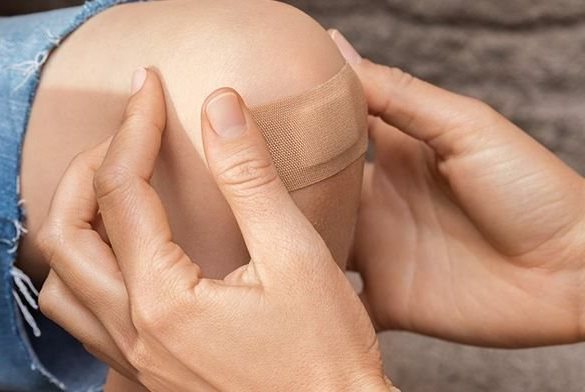
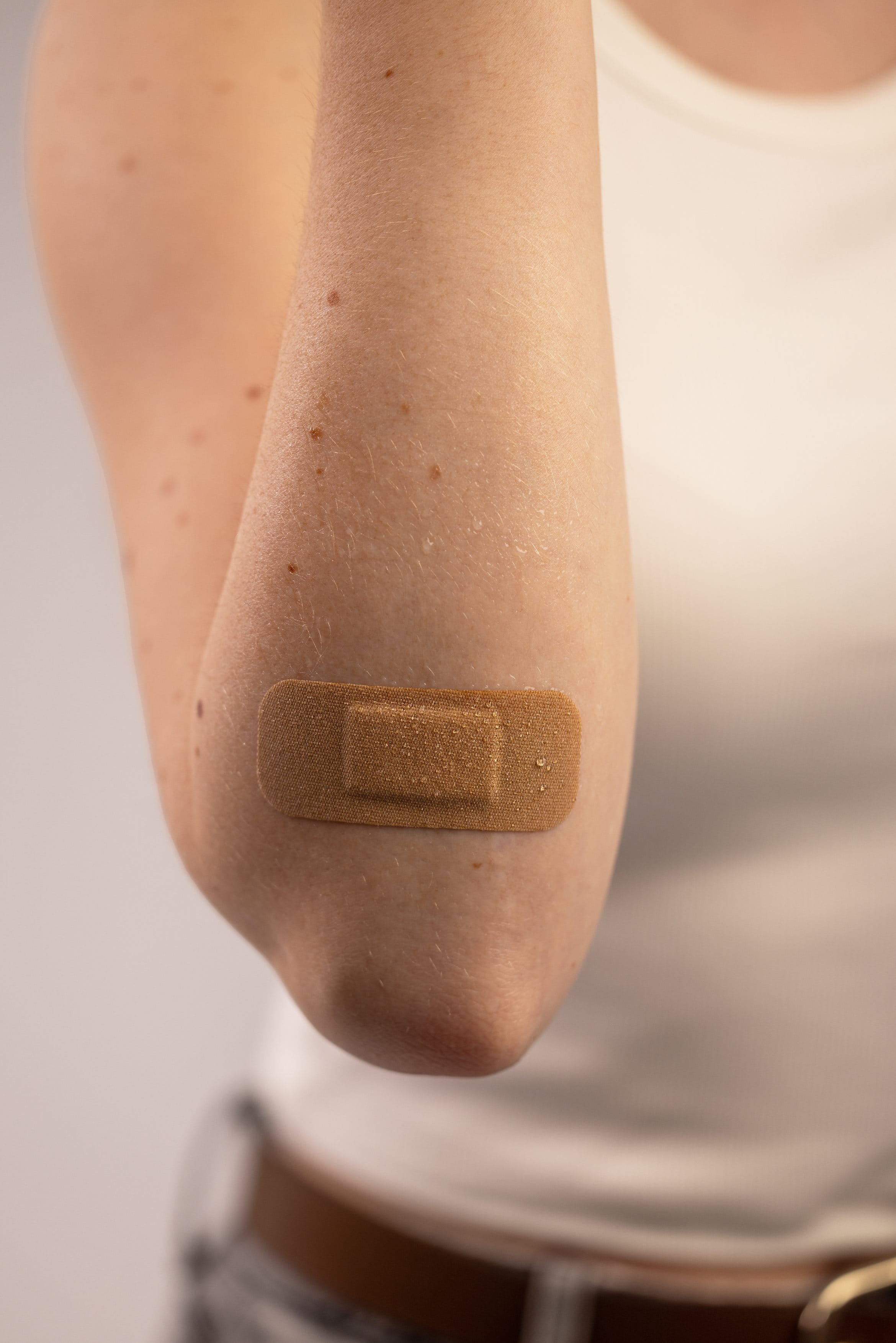
Image of a plaster on a person's elbow
Puncture wounds tend to be small but they can be very painful

A puncture wound occurs when a pointed object breaks through the skin, creating a small, narrow entry point1. While the surface may appear minor, the injury can extend into deeper layers of tissue beneath the skin.

As the opening is small, bleeding is often limited, but this does not reflect how deep the wound may be3. For this reason, puncture wounds should always be cleaned carefully and monitored for any changes in the surrounding area.

A puncture wound is a small entry wound caused by a pointed object that can extend deeper into the skin than it appears on the surface.

What does a puncture wound look like?

Puncture wounds often appear deceptively minor on the surface, but the depth of injury can vary depending on the object and force involved.

Typical characteristics include:

  • A small, clearly defined entry point in the skin.
  • Minimal external bleeding.
  • Localised redness or swelling.
  • Tenderness or discomfort around the affected area.
  • In some cases, a visible puncture mark from the object2.

Common symptoms include:

  • Sharp or throbbing pain at the injury site.
  • Swelling around the wound.
  • Sensitivity when pressure is applied.
  • Mild bleeding or fluid discharge2.

Common causes of puncture wounds

Puncture wounds can happen in a wide range of everyday situations. Some of the most common causes include:

  • Stepping on nails or sharp debris, particularly outdoors or in construction areas.
  • Needle stick injuries, often occurring in healthcare or waste handling environments.
  • Animal bite puncture wounds, where teeth create deep but narrow entry points.
  • Splinters from wood, fencing or furniture.
  • Glass or metal fragments.
  • Thorns or sharp plant material2.

Are puncture wounds serious?

Puncture wounds vary in severity depending on the object, depth and location of the injury1. While many are minor and can be treated at home, some require medical assessment.

The severity of a puncture wound can be affected by:

  • Depth of penetration.
  • Type of object involved.
  • Whether the object was clean or contaminated.
  • Location of the wound (for example, foot injuries may be more prone to irritation).
  • Overall health of the individual.

Which puncture wounds have a higher risk of complications?

Some puncture wounds may carry a higher likelihood of complications, and these injuries should be assessed carefully and monitored for any changes4:

  • Wounds caused by dirty or rusty objects.
  • Needle stick injuries.
  • Animal bites, including dog bite puncture wounds.
  • Deep wounds where debris may remain inside.
  • Wounds in people with reduced immunity or circulation issues.

How to treat a puncture wound with the Elastoplast Wound Care Routine

Proper first aid is the first step in supporting good wound hygiene and is important in reducing the risk of complications. The Elastoplast Clean, Protect and Heal routine provides a simple way to care for minor puncture wounds.

Step 1: Clean the puncture wound

Start by gently cleaning the area to remove visible dirt or debris. Avoid scrubbing aggressively, as this may irritate the surrounding skin.

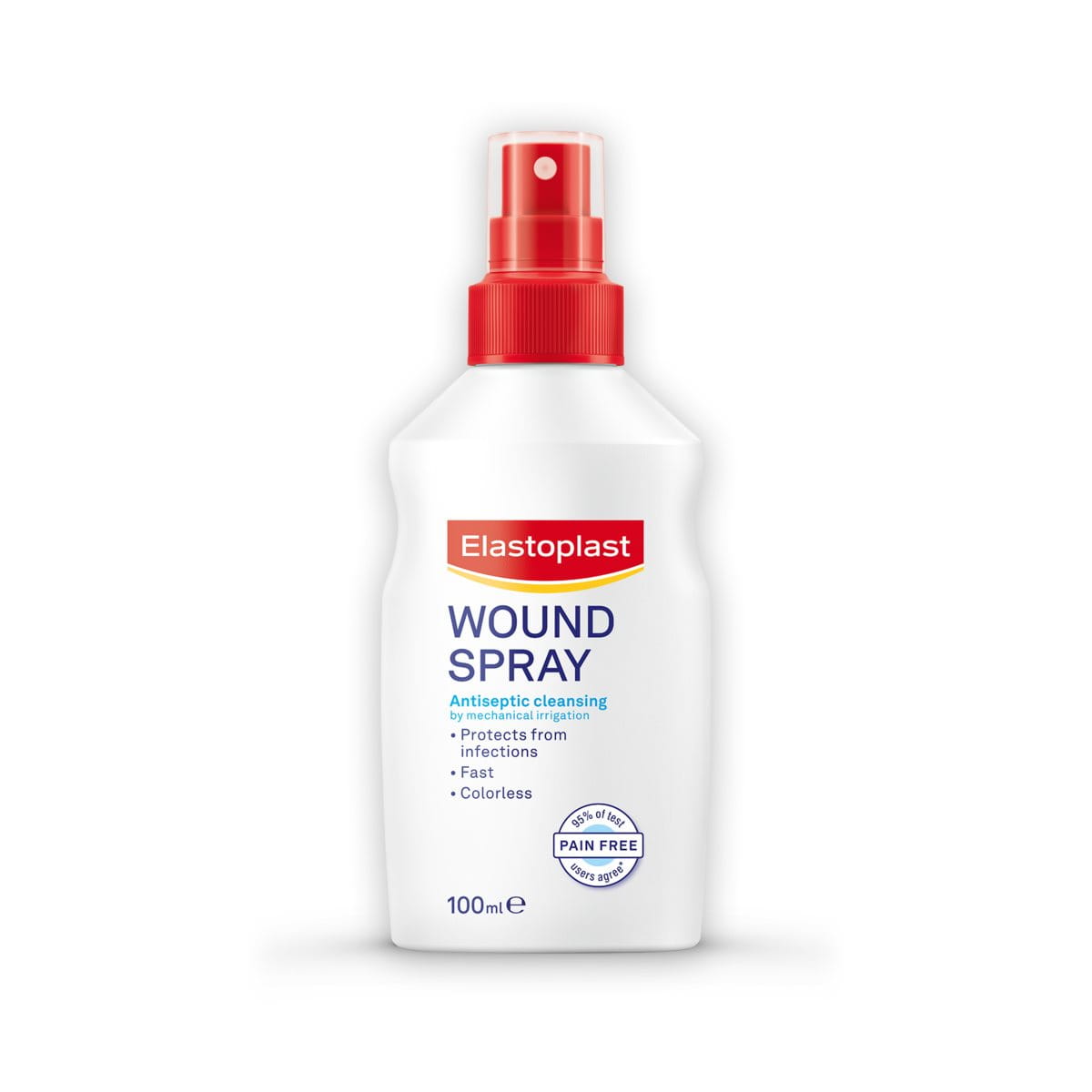
Elastoplast Wound Spray can be used as part of the cleaning step. It cleanses minor acute wounds through mechanical irrigation, helping to remove dirt and foreign particles. It is easy and practical to use and skin-friendly.

Step 2: Protect the wound with a dressing

Covering a puncture wound helps protect it from dirt and friction, particularly in areas such as the hands or feet where movement is frequent. Keeping the wound covered supports good hygiene during everyday activities.

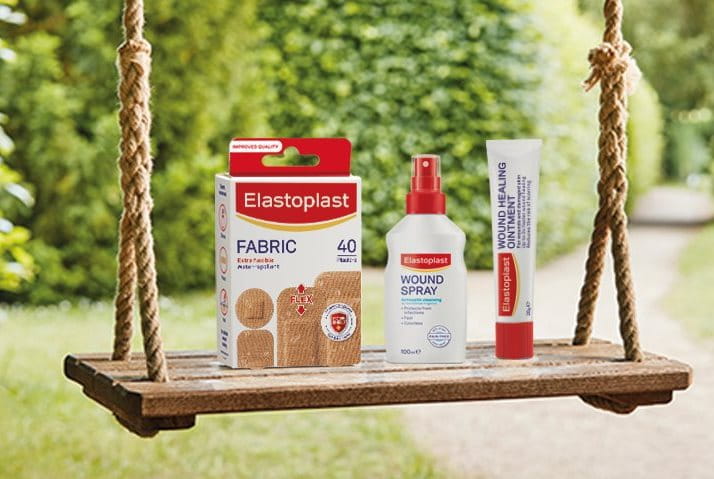
Elastoplast provides a range of dressing options to suit different needs, depending on the size and location of the wound:

  • Elastoplast Aqua Protect Plaster 100% Waterproof - a breathable, 100% waterproof plaster designed for everyday wounds. Its flexible material and extra strong adhesion help keep the dressing in place during washing, showering or bathing, while the non-stick wound pad provides comfortable coverage.
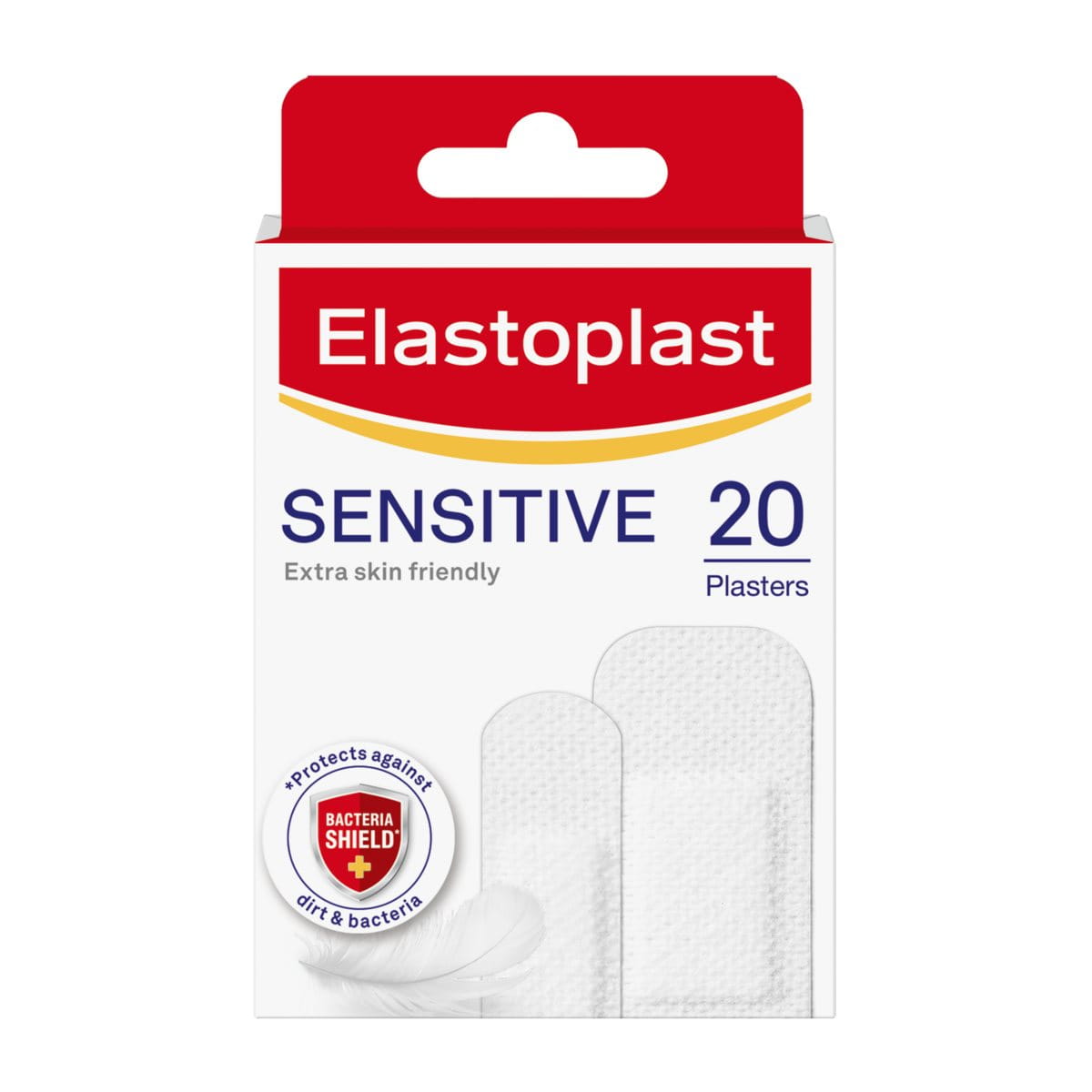
  • Elastoplast Sensitive Plaster - a sterile, hypoallergenic plaster designed for minor wounds. With breathable material and skin-friendly adhesive to stick securely while remaining gentle to remove, for comfortable everyday protection.
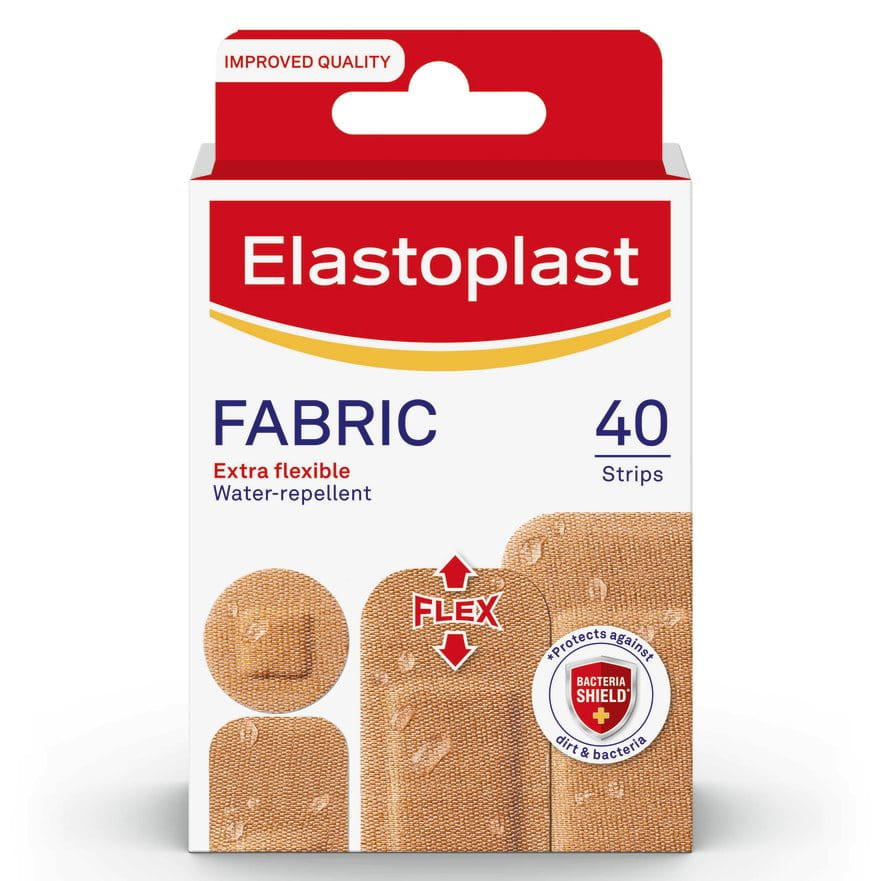
  • Elastoplast Fabric Plaster - a durable fabric dressing designed for everyday wounds. The extra flexible material moves with the skin for comfort, while the strong adhesion helps keep it securely in place. The non-stick pad cushions the wound and helps protect it from dirt.
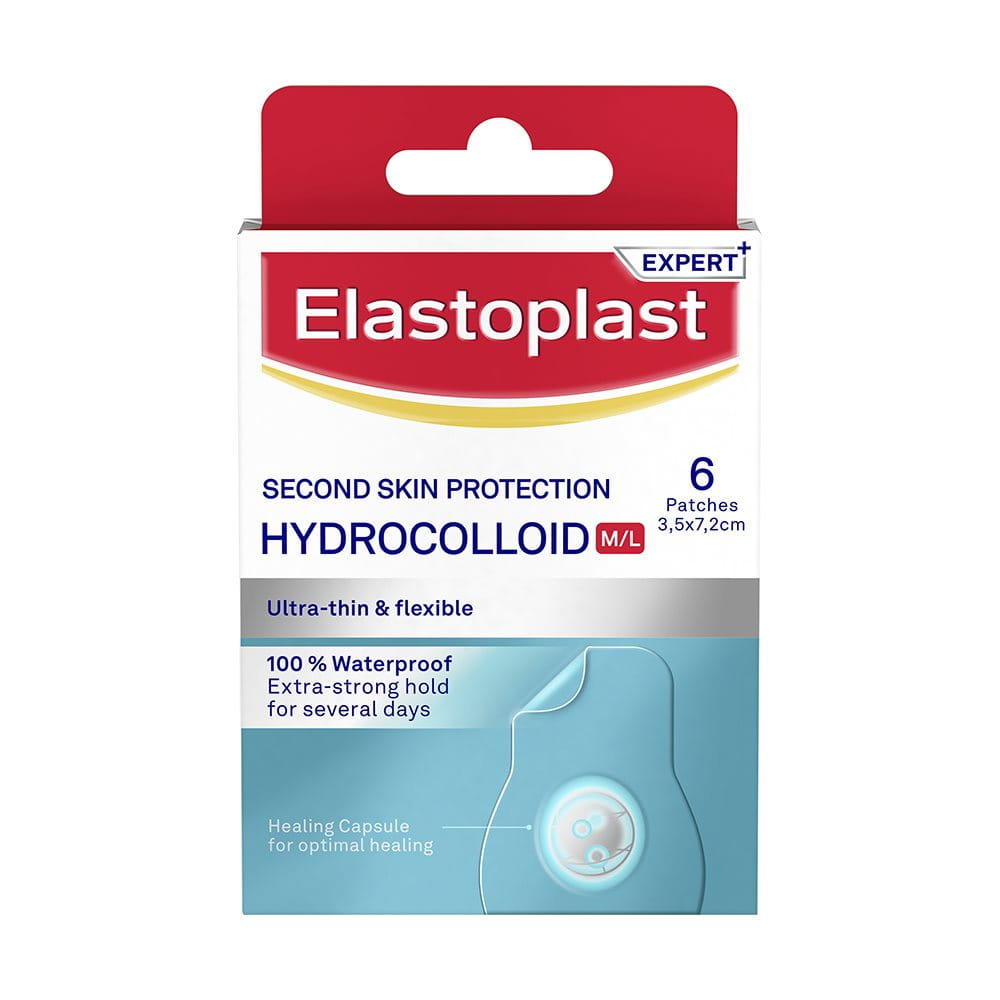
  • Elastoplast Second Skin Protection Hydrocolloid Advanced Plaster  - an ultra-thin, flexible hydrocolloid plaster for discreet protection of minor wounds in high-movement areas such as fingers, hands, elbows and knees. The healing capsule technology supports a moist wound environment, while strong adhesion keeps it in place for up to 72 hours. Waterproof and breathable, it allows you to shower and stay active.

Related Products

Step 3: Apply a wound care product (if appropriate)

Infographic showing steps of Cleanse, Protect and Heal routine
Elastoplast’s Cleanse, Protect and Heal routine helps care for wounds

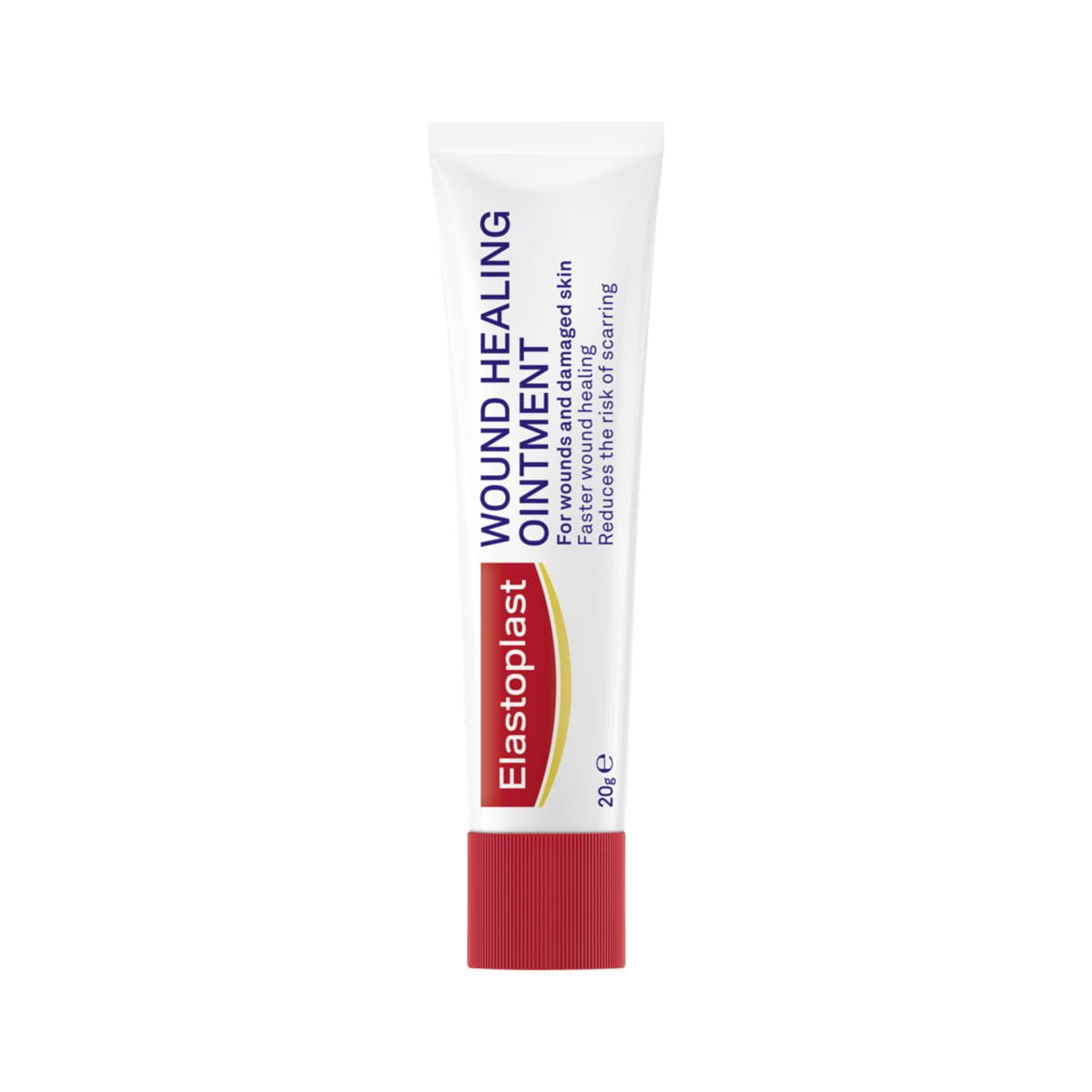
Elastoplast Wound Healing Ointment can be used for minor, superficial wounds. It helps maintain a moist wound environment and supports the natural wound-healing process.

Please note: Wound healing ointment cannot be used in combination with Elastoplast Second Skin products, as it will affect the adhesion.

Step 4: Monitor and change the dressing regularly

The dressing should be changed regularly or whenever it becomes wet or dirty. Keeping the wound clean and covered supports good hygiene during the initial recovery phase.

Puncture wound healing stages

Puncture wound recovery happens in several overlapping stages. Because these injuries can extend deeper than they appear on the surface, the skin may continue to feel tender even after the outer layer looks closed5.

Stage 1: Immediately after the injury

In the first hours, the body responds by triggering an inflammatory reaction5. This can include:

  • Local redness around the puncture site.
  • Swelling or warmth.
  • Mild bleeding or fluid release.
  • Tenderness when the area is touched.

Stage 2: The first few days

During this stage:

  • The surface begins to close.
  • Sensitivity may gradually reduce.
  • A protective scab or seal may form.
  • The surrounding skin may still feel slightly swollen or firm5.

It is important during this time to keep the wound clean and covered, especially if it is in an area exposed to movement or friction.

Stage 3: Ongoing recovery

As recovery continues:

  • The skin gradually strengthens over the wound site.
  • Discomfort typically decreases.
  • The area may remain slightly sensitive for a period of time6.

The exact duration of this phase depends on the depth of the wound, its location, and the type of object that caused the injury.

How long does a puncture wound take to heal?

Healing time for a puncture wound varies. Minor puncture wounds may settle within several days, while deeper injuries can take longer to fully recover6.

Factors that influence recovery include:

  • Depth of the wound.
  • Location on the body (for example, feet are often under more pressure).
  • Whether the wound was clean or contaminated.
  • Individual health and circulation.

It is important to monitor the wound throughout the recovery process. If symptoms persist or worsen, medical advice should be sought.

How long a puncture wound takes to heal depends on how deep it is, where it is located and how the wound progresses over time.

When should you seek medical advice for a puncture wound?

While many puncture wounds can be managed at home, there are certain situations where medical advice is recommended to ensure the wound is properly assessed.

Signs of infection:

  • Increasing redness around the wound.
  • Swelling that worsens over time.
  • Pain that becomes more intense rather than improving.
  • Pus or unusual discharge.
  • Warmth in the surrounding skin.
  • Fever or feeling unwell.

Other situations where medical advice is recommended:

  • The object that caused the injury is still in the skin.
  • The wound is deep or caused by a high-risk object, such as a nail or needle.
  • The injury is a dog bite puncture wound.
  • You are unsure when you last had a tetanus vaccination.
  • The wound is not showing signs of improvement.
  • There is difficulty walking or using the affected area.

Early assessment helps ensure the wound is properly managed and reduces the risk of complications7.

Summary: Caring for a puncture wound

A puncture wound may appear small on the surface but can extend deeper into the skin and underlying tissue, so appropriate care is important throughout recovery. This includes gently cleaning the wound, applying suitable wound care products where appropriate, covering it with a protective dressing, and monitoring for any changes or signs of infection.

Elastoplast offers a range of wound care solutions to help cleanse, cover and care for minor puncture wounds as part of everyday wound care.

Puncture wound FAQs (8)

  • Are puncture wounds serious?

    Puncture wounds can range from minor to more serious depending on their depth, cause and location. Even small wounds may require careful attention due to the risk of deeper tissue involvement.

  • What is the difference between a puncture wound and a penetrating wound?

    A puncture wound is typically caused by a narrow, pointed object entering the skin. A penetrating wound is generally deeper and may involve a larger object or more extensive tissue damage.

  • What is a needlestick injury?

    A needlestick injury is a puncture wound caused when the skin is accidentally pierced by a needle or other sharp medical object, most commonly in healthcare or waste handling settings. It should be cleaned carefully and assessed, particularly if the needle may be contaminated.

  • Are some puncture wounds more likely to become infected?

    Yes. Wounds caused by dirty objects, animal bites or needle stick injuries may carry a higher risk and should be monitored closely.

  • Do puncture wounds need antibiotics?

    Not all puncture wounds require antibiotics. A healthcare professional will decide based on the depth of the wound, contamination risk and individual circumstances.

  • Should you walk on a puncture wound?

    It is best to avoid putting pressure on a puncture wound, especially if it is on the foot, as this may worsen discomfort or slow recovery.

  • Do puncture wounds need stitches?

    Most puncture wounds do not require stitches because the opening is small. However, deeper or more complex wounds may need medical assessment.

  • Why do puncture wounds hurt so much?

    Pain occurs because puncture wounds can affect deeper tissue layers and nerve endings, even when the surface injury looks small.

Relarted Articles

Sources

  1. Borke, J. *Cuts and Puncture Wounds: MedlinePlus Medical Encyclopedia*. MedlinePlus. https://medlineplus.gov/ency/article/000043.htm.
  2. *Puncture Wound First Aid*. Cleveland Clinic. https://my.clevelandclinic.org/health/diseases/puncture-wound.
  3. Kahn, A. *Cuts and Puncture Wounds: Causes, Complications, and Prevention*. Healthline. https://www.healthline.com/health/cuts-and-puncture-wounds.
  4. Krych, S. M.; Lavery, L. A. Puncture Wounds and Foreign Body Reactions. *Clinics in Podiatric Medicine and Surgery* **1990**, *7* (4), 725–731. https://doi.org/10.1016/s0891-8422(23)00402-0.
  5.  Almadani, Y. H.; Vorstenbosch, J.; Davison, P.; Murphy, A. Wound Healing: A Comprehensive Review. *Seminars in Plastic Surgery* **2021**, *35* (3). https://doi.org/10.1055/s-0041-1731791.
  6. Nicks, B. A.; Ayello, E. A.; Woo, K.; Nitzki-George, D.; Sibbald, R. G. Acute Wound Management: Revisiting the Approach to Assessment, Irrigation, and Closure Considerations. *International Journal of Emergency Medicine* **2010**, *3* (4), 399–407. https://doi.org/10.1007/s12245-010-0217-5.
  7. NHS. *Cuts and Grazes*. NHS. https://www.nhs.uk/conditions/cuts-and-grazes/.

Always see a doctor if the wound is deep, bleeds heavily or shows signs of infection like reddening, swelling or warmth.

Please note that, although these were compiled with great care, the tips and advice given on this website by no means substitute medical advice and treatment. If you have or suspect a health problem, consult a doctor and follow medical advice regardless of what you have learned on this website.

Always read carefully and follow the instructions for use or the leaflets of our products. For further information about our products, please contact us via email at ConsumerRelationsUK@Beiersdorf.com.