
Smiling man sitting on a park bench outdoors.
Show More

Published: July, 2026

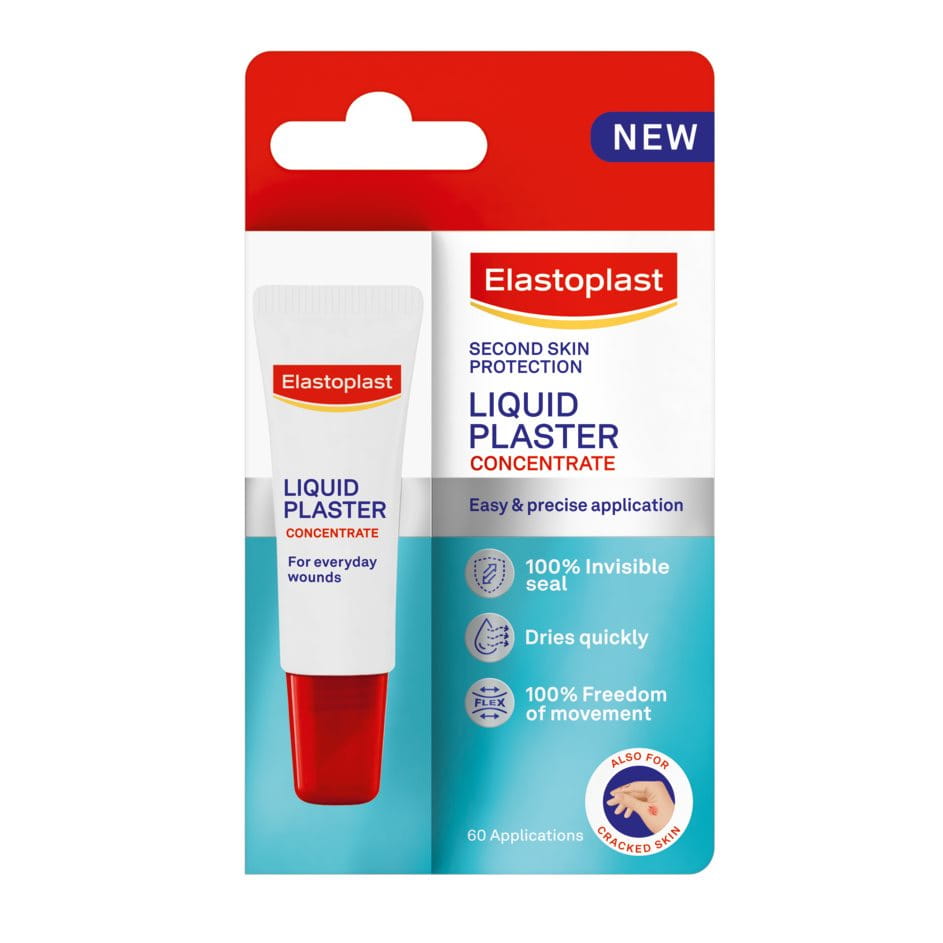
Shaving cuts happen to the best of us. Even small cuts can bleed, sting, or leave skin feeling sensitive, and repeated cuts can slow healing or make it more prone to irritation. With the right care, you can stop bleeding quickly, protect the wound, and help it heal safely.1 Elastoplast Second Skin Protection Liquid Plaster Concentrate forms an invisible, flexible seal that shields your skin from dirt and bacteria while moving naturally with you, perfect for delicate areas like the face and neck.1

In this guide, we’ll show you how to stop bleeding, protect shaving cuts, and help them heal quickly, with practical tips and care solutions you can use every day.
Why do shaving cuts happen?

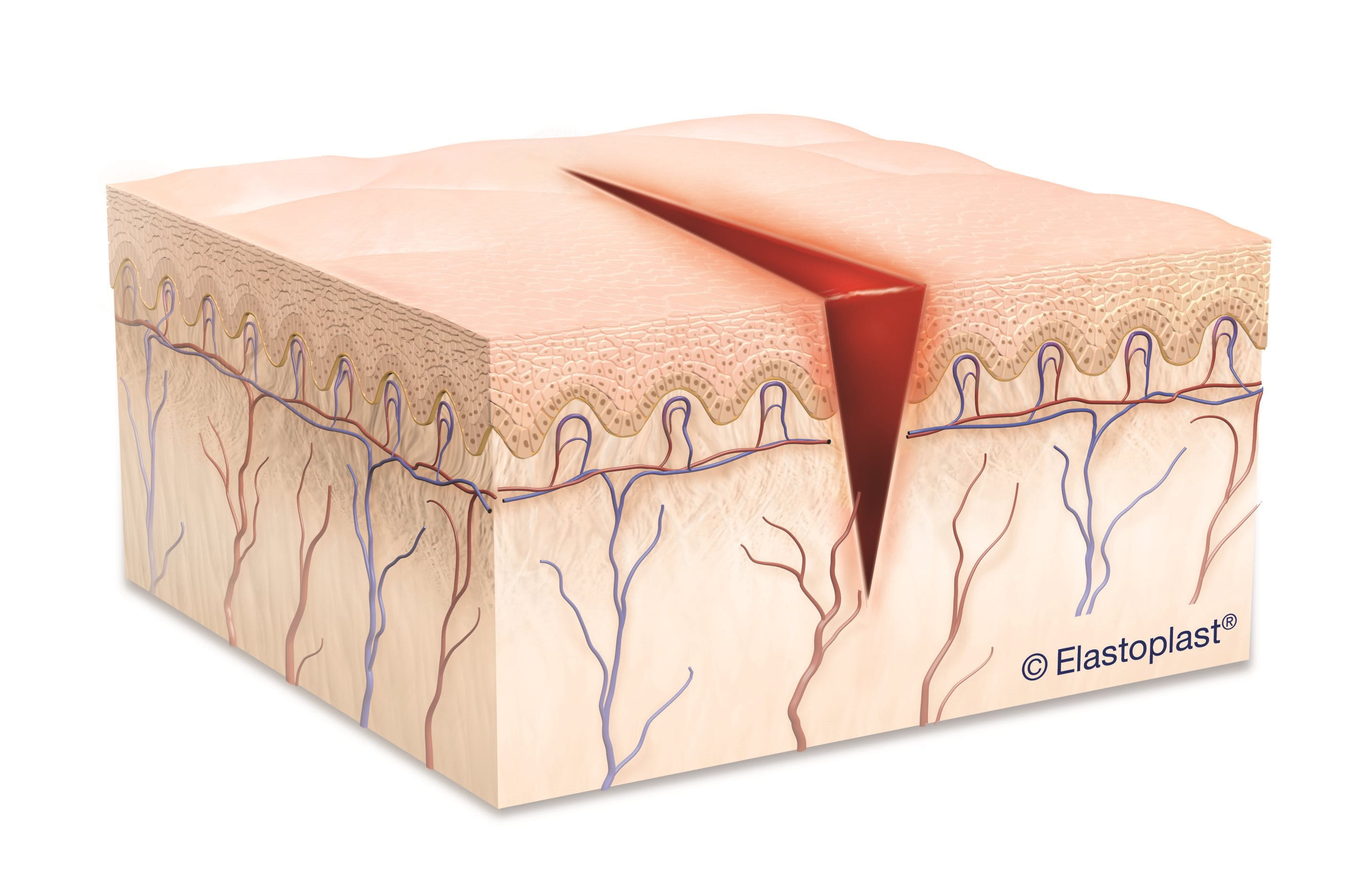
Diagram of a cut
Shaving cuts can sting but luckily, they tend to be superficial

Even the most careful shaver can get cuts. Understanding why they happen helps you prevent them and adjust your shaving routine accordingly.

Several factors increase the risk:

  • Shaving over dry, uneven, or irritated skin makes it more susceptible to minor cuts.2
  • Using dull or worn blades that pull at hair instead of cutting cleanly.4
  • Shaving too quickly or against the grain can cause the razor to catch the skin.5
  • Skipping lubrication, such as shaving cream, gel, or pre-shave oil, leaves the skin unprotected.2

Recognising these risks can help you adjust your routine to minimise cuts and keep your skin comfortable and healthy.

What to do if you cut yourself shaving

Even small shaving cuts can bleed, sting, or slow your routine if not treated promptly. Quick and careful care reduces bleeding, protects the wound, and supports faster healing.

Step 1: Stop the bleeding

Facial skin has a dense network of tiny blood vessels, so even small cuts can bleed more than similar-sized cuts elsewhere. Bleeding may continue if the wound is disturbed by minor movements, friction from clothing or towels, or facial movements like talking or chewing.

To stop bleeding:

  • Apply gentle pressure with a clean tissue or cotton pad until bleeding slows.
  • Rinse the area with cool water to help constrict blood vessels. Avoid hot water, which can make bleeding worse.

Step 2: Clean and dry the cut

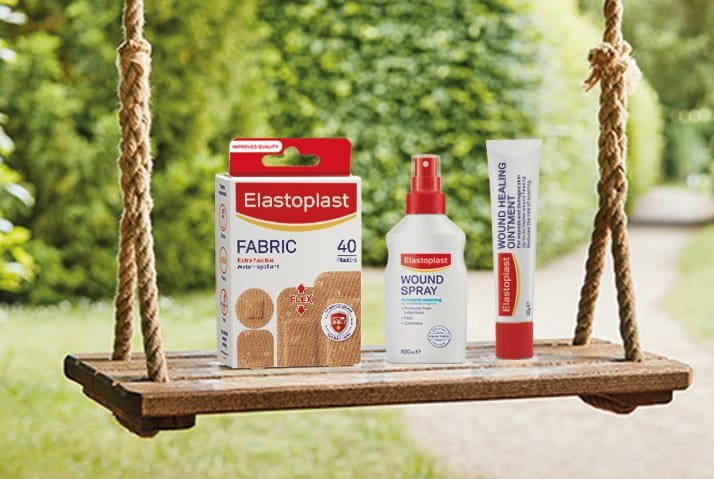
Gently wash with Elastoplast Wound Spray, or lukewarm water and mild soap. Pat dry carefully with a sterile compress; do not rub, as this can reopen the wound and slow healing.

Step 3: What can I put on shaving cuts?

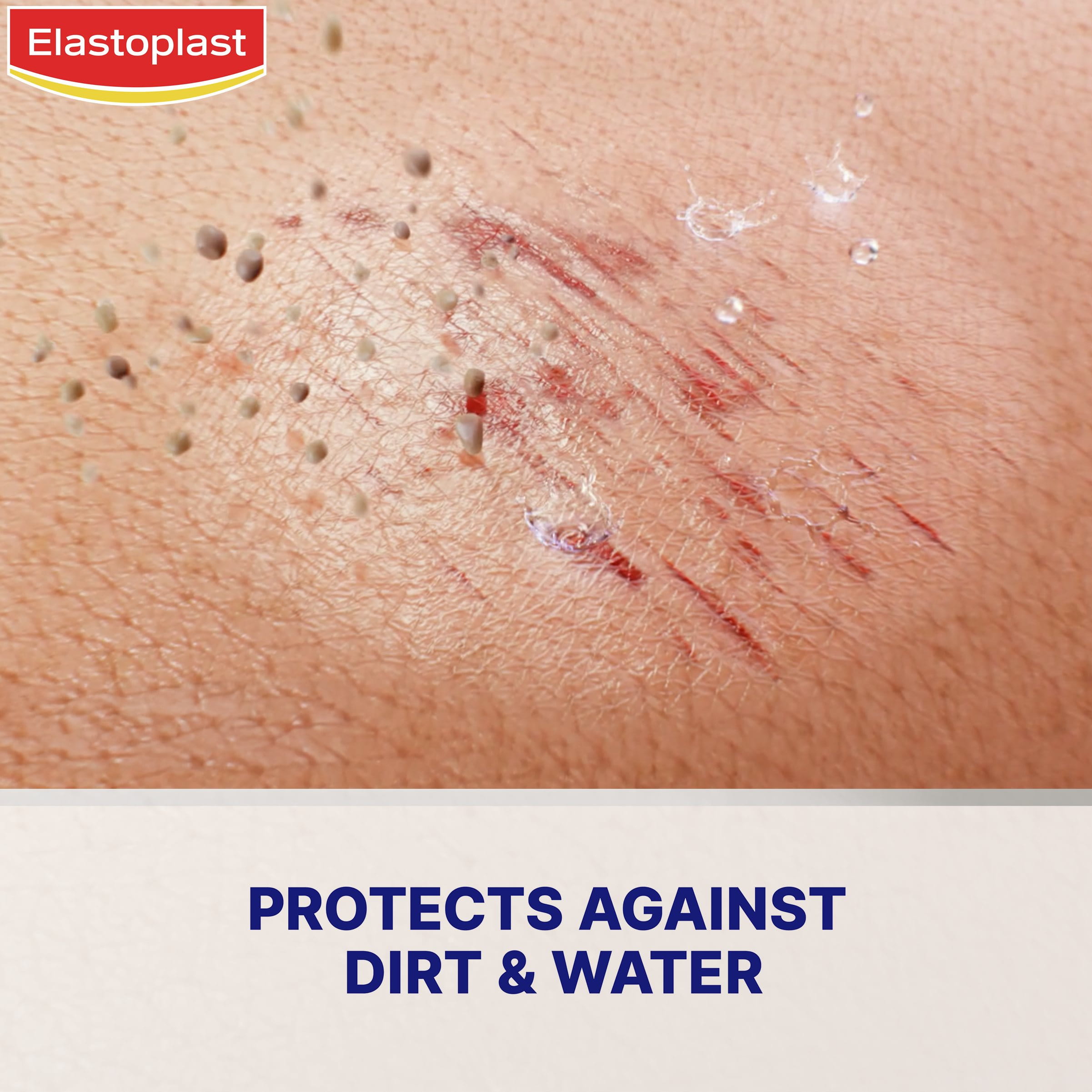
Image showing how Elastoplast Liquid Plaster protects cuts from water and dirt
Elastoplast Liquid Plaster helps protect shaving cuts from external irritants

Cover the wound to prevent reopening, reduce irritation, and support faster healing. Elastoplast Second Skin Liquid Plaster is ideal for small shaving cuts and delicate facial skin, forming a precise, invisible, flexible barrier.

  • Apply a sufficient amount of the Liquid Plaster and use the tube applicator to spread it, ensuring the cut is evenly covered with a thin layer.
  • If necessary, remove any residual product from the tube applicator with a sterile compress after use.
  • Leaving the cut covered during periods of rest, such as overnight, further aids recovery. The plaster will gradually disappear over time.

Healing time can vary depending on the depth of the cut:

  • Minor shaving cuts: 2-5 days.
  • Slightly deeper shaving cuts: up to 7 days.

Can shaving cuts get infected?

Even small shaving cuts can become infected if bacteria enter the wound. Understanding the early signs of infection helps you take action quickly.11

Signs of an infected shaving cut:

  • Redness or swelling around the cut.
  • Pus or discharge.
  • Throbbing pain or warmth11.

How to prevent infection in shaving cuts:

Even small shaving cuts can get infected. Clean, protect, and cover with Elastoplast Liquid Plaster to reduce risk and support fast, safe healing.

Can shaving cuts leave scars?

Most minor shaving cuts heal without scarring if cared for properly. Protecting the cut and allowing it to heal naturally helps the skin regenerate without marks12.

How to reduce the risk of scarring:

  • Keep the cut protected with Elastoplast Liquid Plaster.
  • Avoid picking at scabs.
  • Moisturise the surrounding skin to support natural healing12.

Can shaving cuts turn into bumps?

Shaving cuts can sometimes lead to bumps or irritation, especially if the area is shaved again before healing. Common factors that lead to shaving bumps can be:

  • Friction from shaving over healing cuts.
  • Ingrown hairs near the wound.
  • Excessive rubbing or touching.

How to prevent razor bumps after a cut

Preventing razor bumps after a shaving cut is easier when the skin is properly cared for and allowed to heal. Simple steps like protecting the wound and maintaining hygiene can reduce irritation and keep your skin smooth13.

  • Avoid shaving over healing areas.
  • Keep cuts protected with Elastoplast Liquid Plaster.
  • Maintain clean skin and proper shaving hygiene13.

How to prevent cuts when shaving your face

Prevention is easier than treatment, and small adjustments to your shaving routine can make a big difference. Following a few simple steps helps reduce the risk of cuts and keeps your skin comfortable.

Prepare your skin before shaving

Properly preparing your skin softens hair and smooths the surface, making it easier for the razor to glide14.

  • Hydrate and soften hair with warm water or pre-shave oil.
  • Exfoliate gently to remove dead skin and reduce tugging14.

Use the right shaving technique

How you shave affects your risk of cuts. Gentle, controlled strokes and shaving with the grain help prevent cuts.14

  • Shave in the direction of hair growth.
  • Avoid pressing too hard.
  • Rinse the blade frequently to remove hair buildup14.

Choose and maintain the right razor

A well-maintained razor reduces irritation and the likelihood of cuts. Regularly replacing and cleaning blades keeps them sharp and safe.14

  • Use sharp, high-quality blades.
  • Replace blades regularly.
  • Keep razors clean and dry to reduce bacterial buildup14.
Prevent shaving cuts by preparing your skin, using gentle strokes, and keeping your razor clean and sharp. Small adjustments make a big difference for smoother, safer shaving.

Summary: caring for shaving cuts

Shaving cuts can bleed, sting, or take time to heal if not treated properly. Following proper shaving techniques, keeping cuts covered, and maintaining clean, hydrated skin helps small cuts heal safely with minimal discomfort or scarring, while also reducing the risk of bumps or irritation.

Using Elastoplast Second Skin Protection Liquid Plaster provides precise, invisible protection for small or delicate cuts and flexible coverage in areas exposed to friction, water, or daily movement.

FAQs about shaving cuts and care (9)

Always consult a doctor if the wound is deep, bleeding heavily, or caused by a bite or contaminated object. Also seek medical attention if you notice signs of infection, such as redness, swelling, pain, or warmth, or if you are unable to clean the wound properly or if there are foreign objects in it.

Please note that, although the advice on this website has been compiled with care, it is not a substitute for professional medical guidance. It is not intended for self-diagnosis or treatment. Always read and follow the instructions or leaflets provided with our products.

For further information about our products, please contact us via email at ConsumerRelationsUK@Beiersdorf.com 

Citations

  1. Dry Shaving: Methods, Benefits, and More. Healthline. https://www.healthline.com/health/dry-shaving
  2. Watson, K. Can You Shave Without Shaving Cream or Other Skin Lubricants? Healthline. https://www.healthline.com/health/how-to-shave-without-shaving-cream
  3. Bleeding: MedlinePlus Medical Encyclopedia. medlineplus.gov. https://medlineplus.gov/ency/article/000045.htm
  4. Santos-Longhurst, A. How Often Should You Change Your Razor Blades? Healthline. https://www.healthline.com/health/how-often-to-change-razor-blades
  5. Razor Burn: Causes, Treatment, and More. Healthline. https://www.healthline.com/health/beauty-skin-care/razor-burn
  6. How to Stop Bleeding. Healthline. https://www.healthline.com/health/first-aid/stopping-bleeding
  7. Borke, J. Cuts and Puncture wounds: MedlinePlus Medical Encyclopedia. medlineplus.gov. https://medlineplus.gov/ency/article/000043.htm
  8. 4 Steps to Stop a Cut From Bleeding. Cleveland Clinic. https://health.clevelandclinic.org/how-to-stop-bleeding
  9. Nurmi, D. L. What You Need to Know to Clean a Wound. Healthline. https://www.healthline.com/health/how-to-clean-a-wound
  10. American Academy of Dermatology Association. How to treat minor cuts. www.aad.org. https://www.aad.org/public/everyday-care/injured-skin/burns/treat-minor-cuts
  11. NHS. Cuts and grazes. NHS. https://www.nhs.uk/conditions/cuts-and-grazes/
  12. MedlinePlus. How Wounds heal: MedlinePlus Medical Encyclopedia. Medlineplus.gov. https://medlineplus.gov/ency/patientinstructions/000741.htm
  13. Pseudofolliculitis Barbae: Treatment, Causes, Prevention, and More. Healthline. https://www.healthline.com/health/razor-bumps
  14. Clinic, C. Learn How To Get a Smooth Shave Every Time. Cleveland Clinic. https://health.clevelandclinic.org/how-to-shave

Related Articles