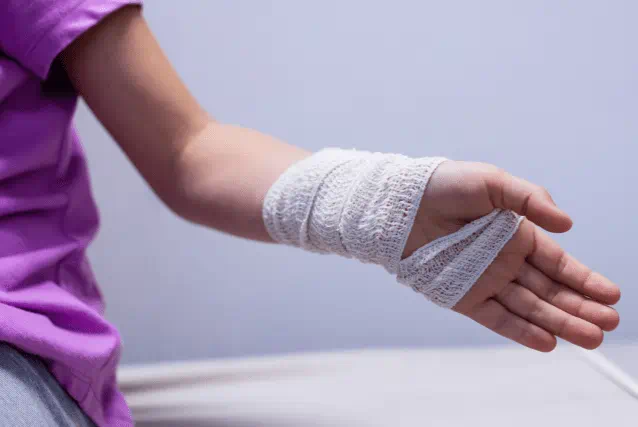
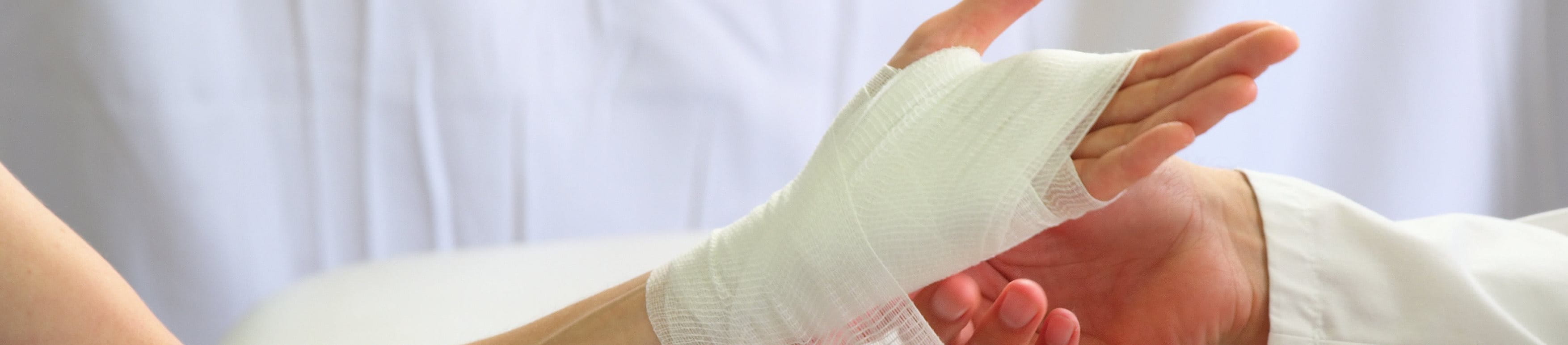
A person using bandage on her hands to stop bleeding

Expert First Aid Tips: How to Stop Bleeding from Cuts and Scrapes

8 min. read
Show More

Published: October 2025

Promptly controlling bleeding is the first step in proper wound care, whether it’s a minor cut or a deeper injury. Taking the right action early not only limits blood loss but also reduces the risk of infection and supports effective healing.

Elastoplast supports safe and effective wound care through three key steps: Clean, Protect, Heal. Following this routine ensures wounds are managed at every stage, helping to prevent complications and promote faster recovery.

In this guide, you’ll learn how to effectively stop bleeding, care for both minor and more persistent cuts, and support long-term wound healing.
First aid: how to stop bleeding from minor cuts

Minor cuts and scrapes are a common occurrence that can happen during cooking, shaving, gardening, or sports. While not usually serious, they require timely attention to prevent infection and encourage proper healing.

Immediate actions

Before you address the wound directly, there are several essential steps you can take to control bleeding safely, protect the surrounding skin, and support the body’s natural healing process.

  1. Wash your hands
    Clean your hands thoroughly with soap and water before touching the wound. If soap and water aren’t available, use a hand sanitiser. This helps prevent infection by removing bacteria from your hands.
  2. Apply gentle pressure
    Cover the wound with a clean cloth, sterile gauze, or bandage, and apply firm pressure until the bleeding stops. This usually takes 5–10 minutes.
  3. Elevate the injury
    Raising the affected area can help to slow blood flow and support natural clotting. For injuries to the hand or arm, raise it above your head; for leg or lower-body injuries, lie down and raise the area above heart level
Most minor cuts stop bleeding within 5–10 minutes when treated promptly.

First aid: how to stop bleeding from larger or persistent cuts

Larger or deeper cuts may take longer to stop bleeding than minor ones. As a result, these wounds require extra care to control bleeding, prevent complications, and support a safe healing process.

Immediate actions for larger cuts

For larger or more persistent cuts that take longer to stop bleeding, it’s important to act quickly and carefully to reduce blood loss and lower the risk of complications. While you’re awaiting professional care or managing the wound at home, these steps can help control bleeding effectively:

  • Apply ice: Wrap ice in a clean cloth and apply it gently to the area to help constrict blood vessels and slow bleeding. Avoid placing ice directly on the skin.
  • Use layered dressings: If blood soaks through a dressing or bandage, place a fresh layer on top without removing the original covering.
  • Maintain firm pressure: Persistent bleeding may require up to 20 minutes of steady, consistent pressure before it slows.

When to seek medical attention

It’s important to recognise when a wound requires professional medical attention to ensure it is treated safely and complications are prevented. Seek medical care if:

  • Bleeding continues after 15–20 minutes of firm pressure
  • The wound is deep, gaping, or caused by sharp objects (glass, metal)
  • Blood spurts in rhythm with your heartbeat (possible arterial bleeding)
  • The injury is on the face, scalp, or near a joint and is difficult to close
Prompt attention in these cases helps prevent complications, ensures proper treatment, and supports safe healing.

First aid: clean, protect, heal with Elastoplast

When treating an injury, taking the right steps can prevent infection, reduce discomfort, and help your skin heal faster. Follow these simple guidelines to clean, protect, and care for your wound.

Step 1: Clean

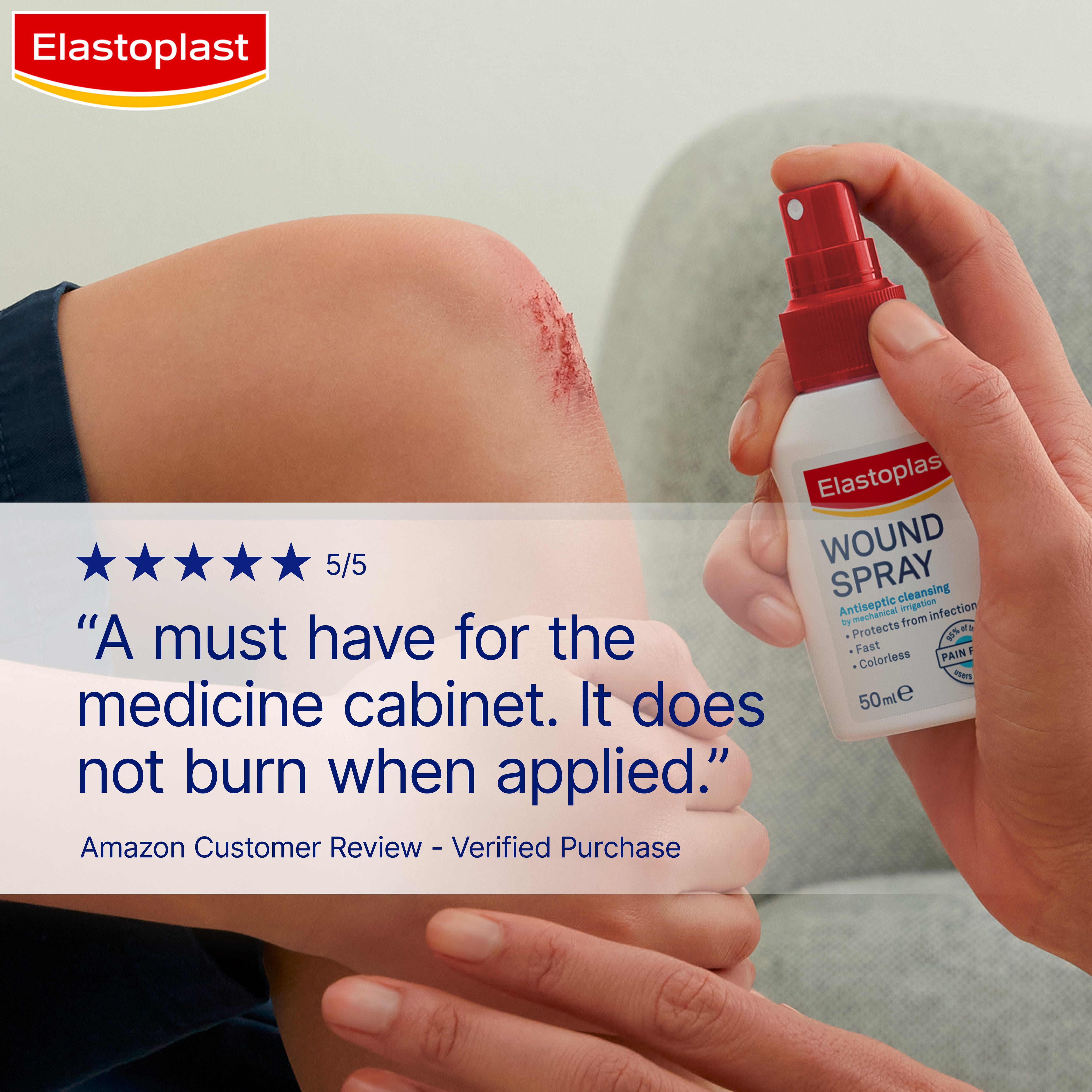
A good review of Elastoplast Wound Spray
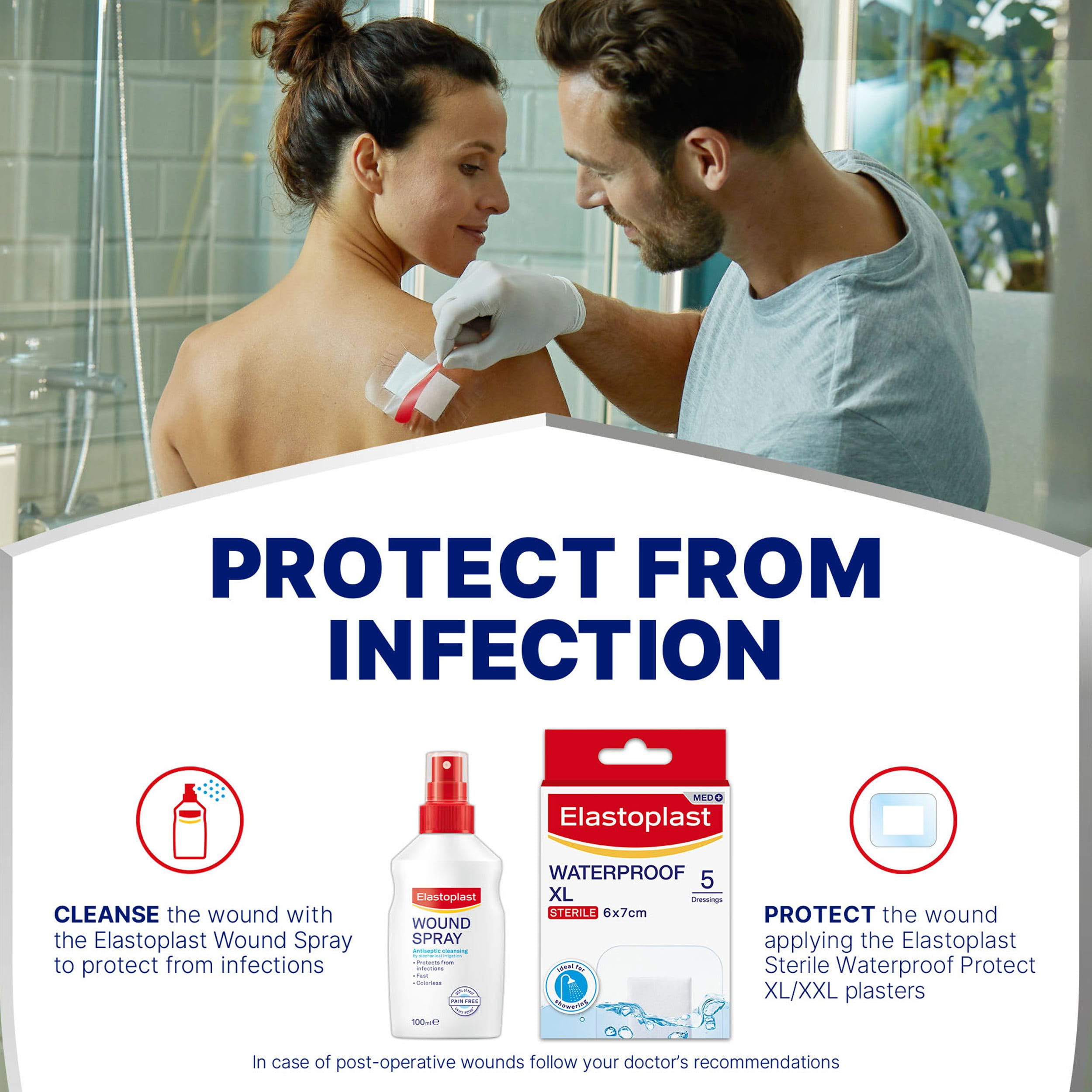
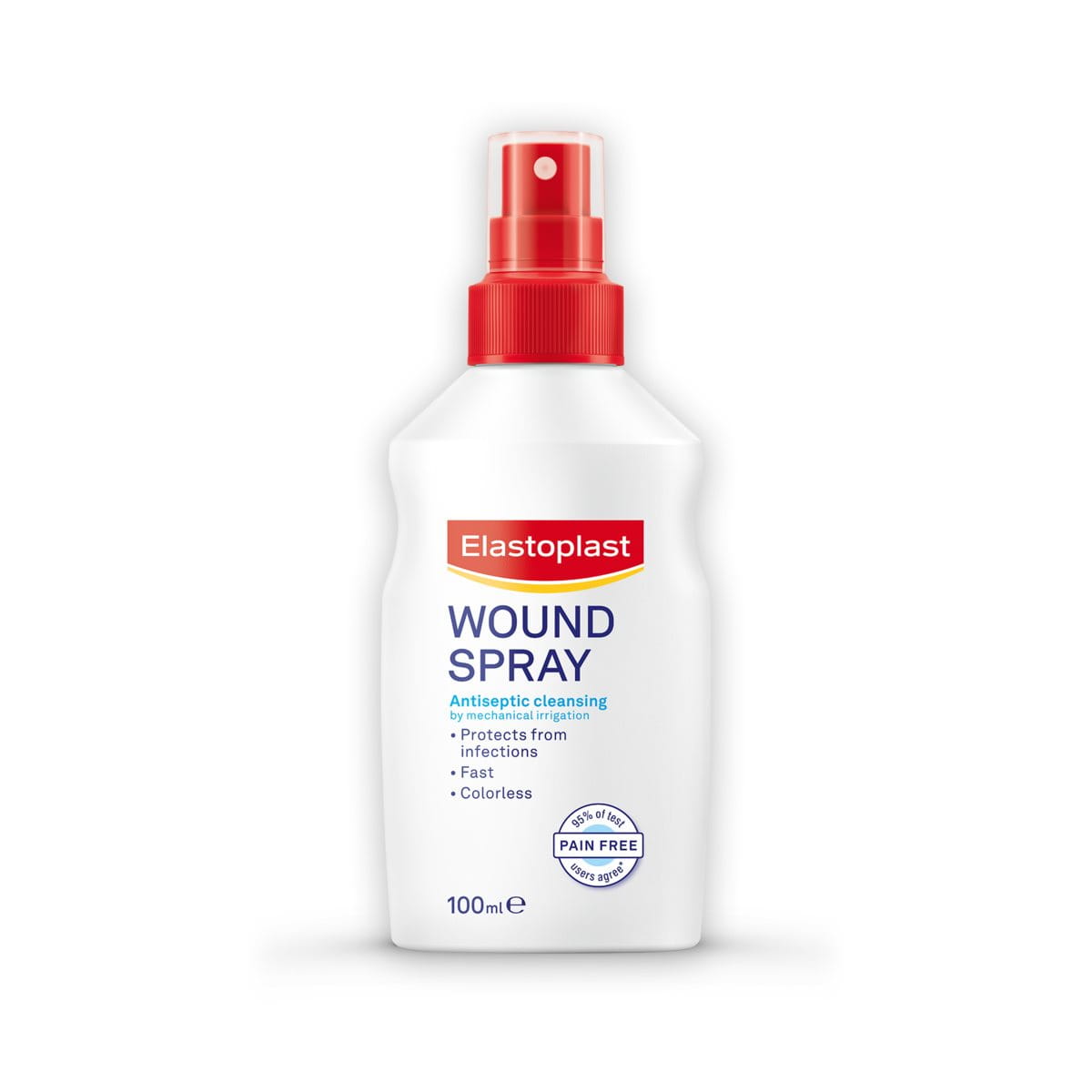
Cleaning a wound with Elastoplast Wound Spray helps remove dirt and debris, reducing the risk of infection.
Once the bleeding has slowed, gently clean the wound with an antiseptic spray like Elastoplast Wound Spray, to remove any dirt or debris. Rinse carefully with cool running water or a saline solution. You can wash the skin surrounding the wound with mild soap and water, but avoid getting soap directly in the wound. Refrain from using harsh substances such as hydrogen peroxide or iodine, as these can irritate the skin and delay healing.

Step 2: Protect

Image of a scraped knee or similar wound being covered with a plaster
Properly covering a minor cut protects it from bacteria and supports healing.

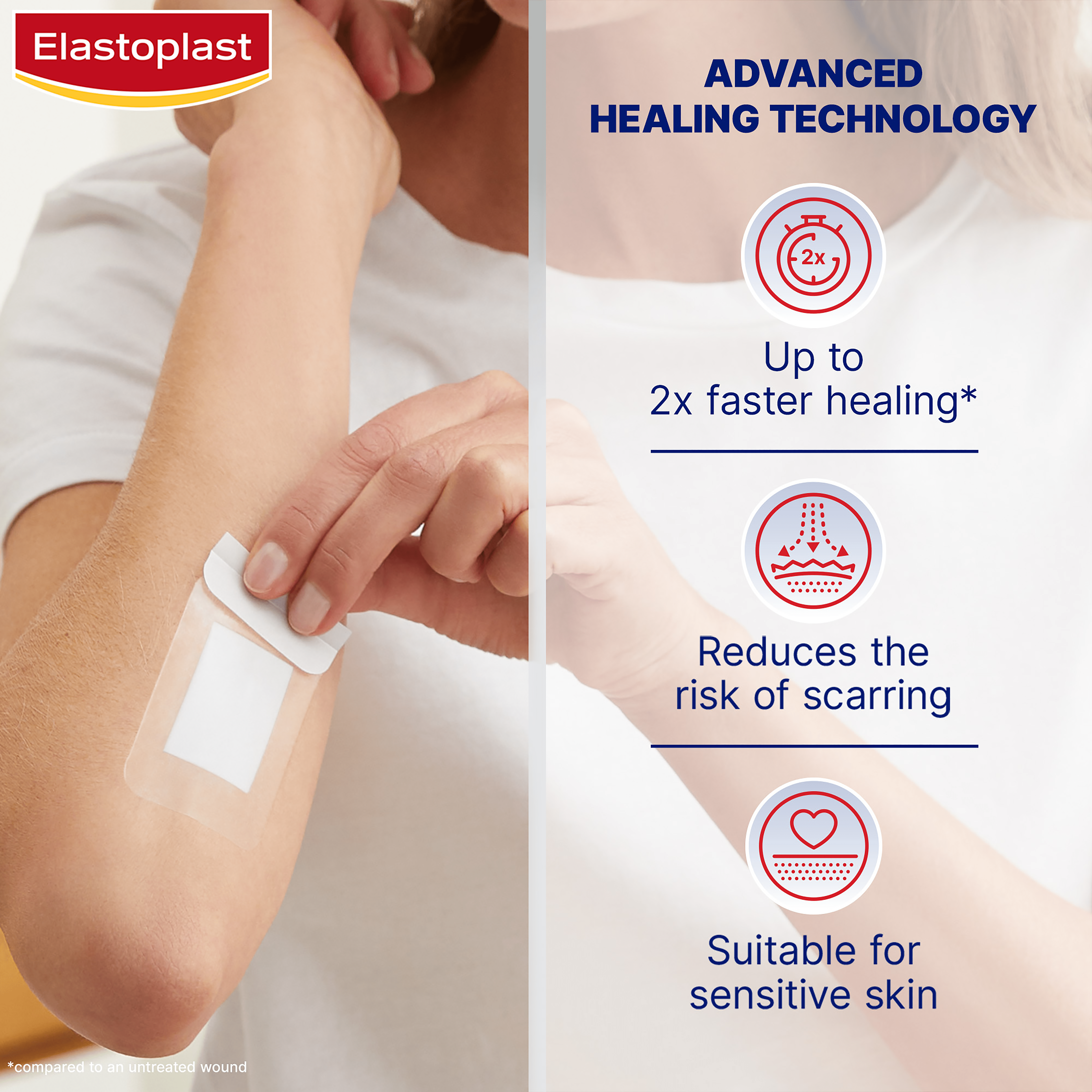
After cleaning, cover the wound with a sterile plaster or bandage. This not only shields the wound from bacteria and other contaminants but also helps maintain a moist, protected environment that supports the body’s natural healing process. 

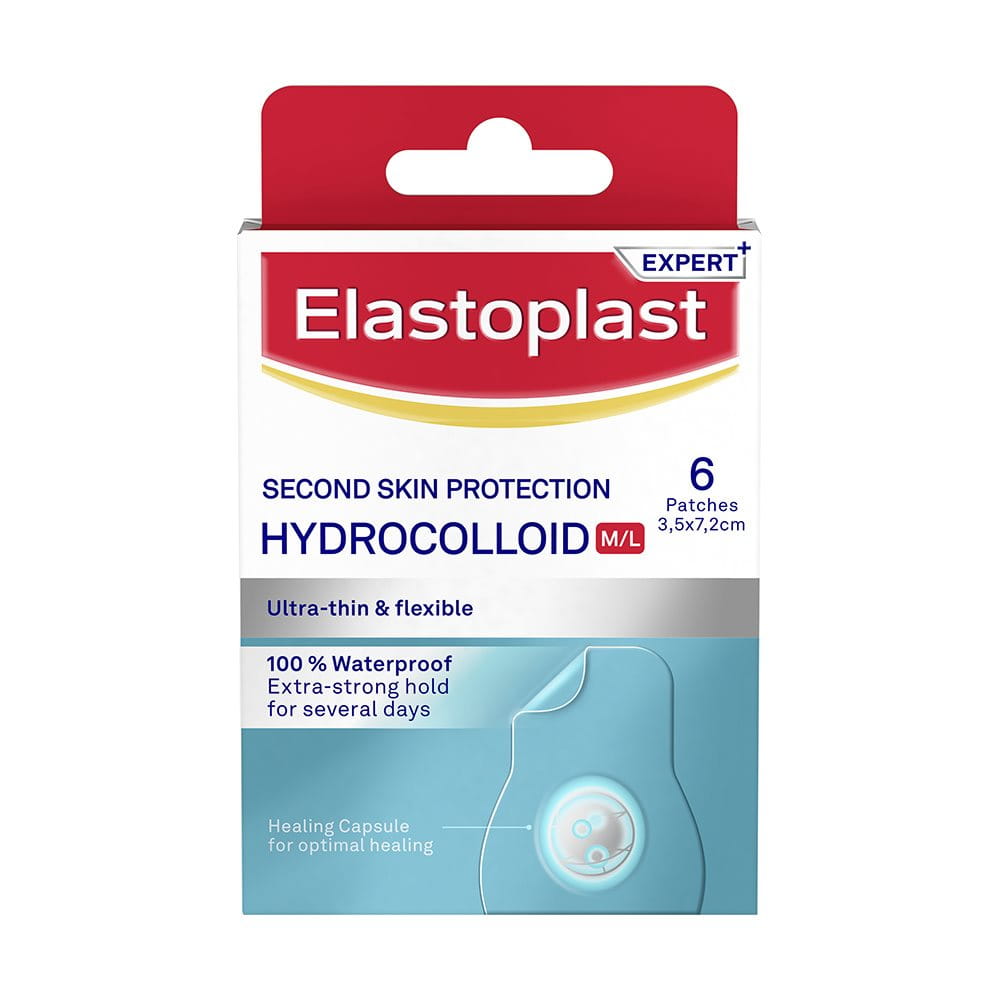
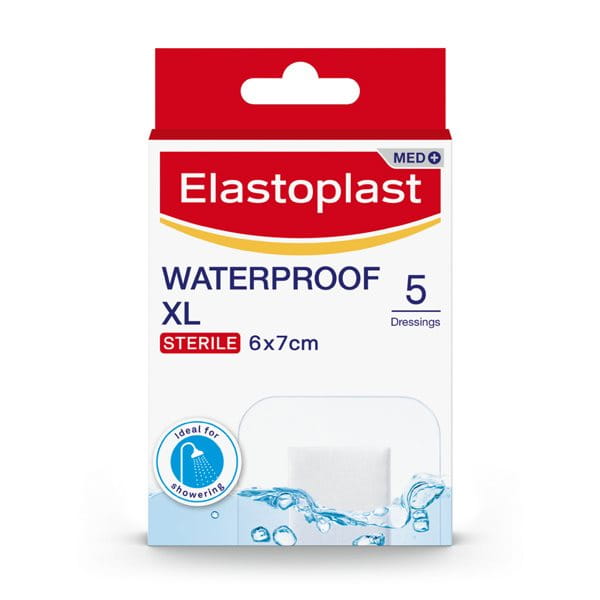
Choosing the correct plaster is important: for minor cuts, a standard plaster is sufficient, while larger or deeper wounds may require XL plasters to ensure full coverage and secure protection. Hydrocolloid plasters, such as Elastoplast Second Skin Protection Hydrocolloid Advanced Plaster, are particularly effective, as they create an optimal moist environment for healing.

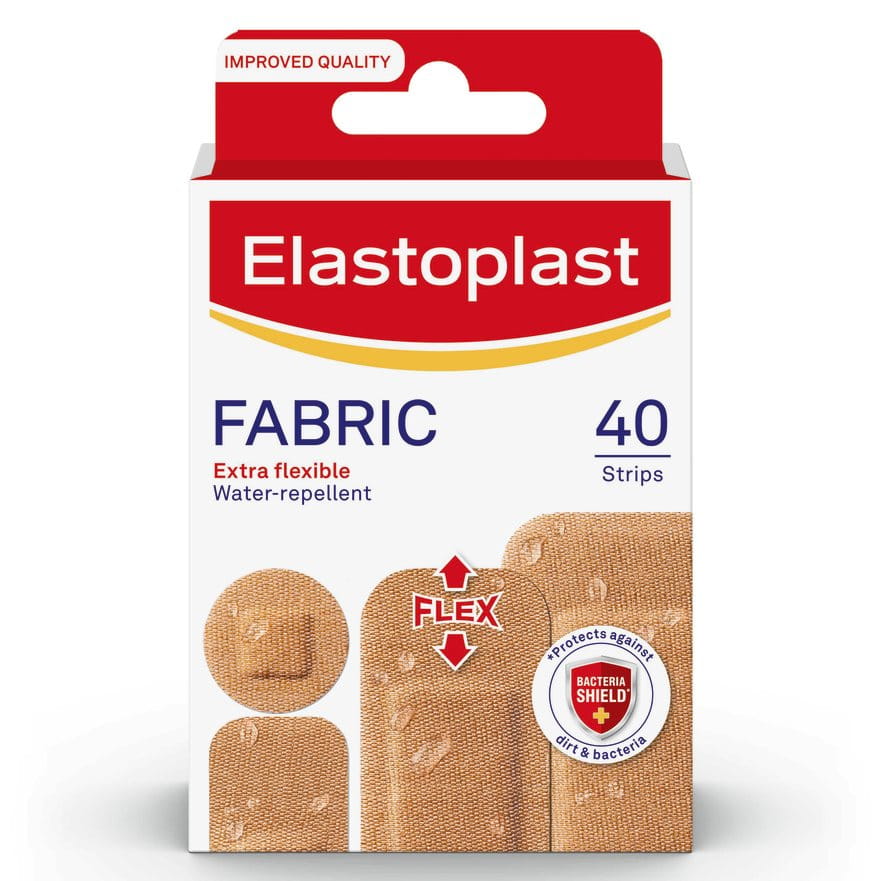
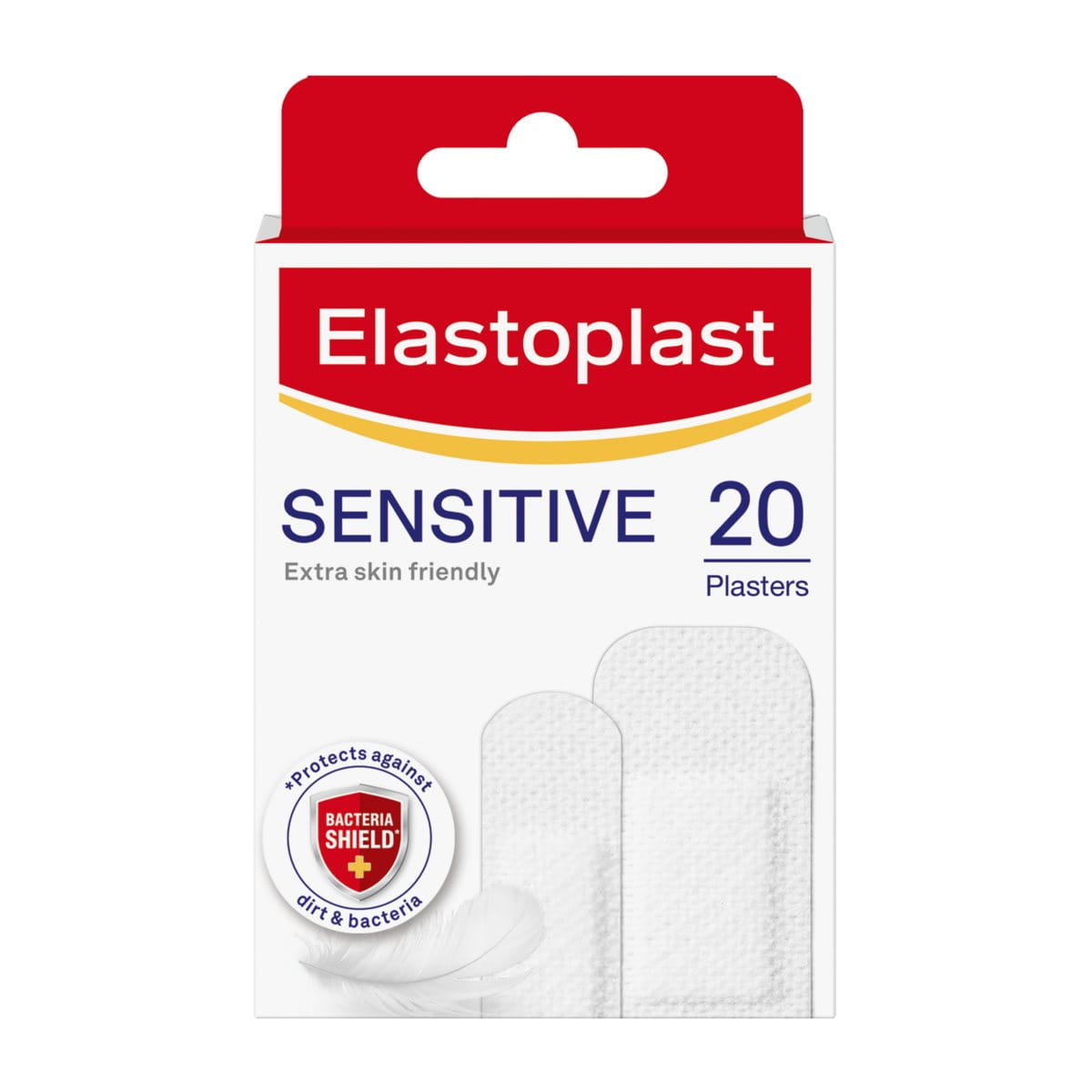
For everyday use, there are several plaster options to suit different needs. Fabric plasters are flexible and durable, making them ideal for joints or areas that move frequently. Sensitive plasters are designed for delicate or easily irritated skin, reducing the risk of redness or discomfort. Water-resistant plasters provide reliable protection even during handwashing, showers, or outdoor activities, keeping the wound dry while allowing it to heal safely.

This is probably the greatest plaster I have ever used. It lasted forever - after a week I removed it and you couldn't even tell there even was a cut
Arrman

Elastoplast Products for First Aid

Step 3: Heal

Healing begins once the wound has been properly cleaned and protected. To support the body’s natural repair process, keep the wound covered to maintain a safe, moist environment, avoid picking at scabs, and allow time for healing. With correct care, most minor cuts will heal within several days, while deeper wounds may take longer.

Maintaining slight moisture supports faster healing and can reduce scarring.
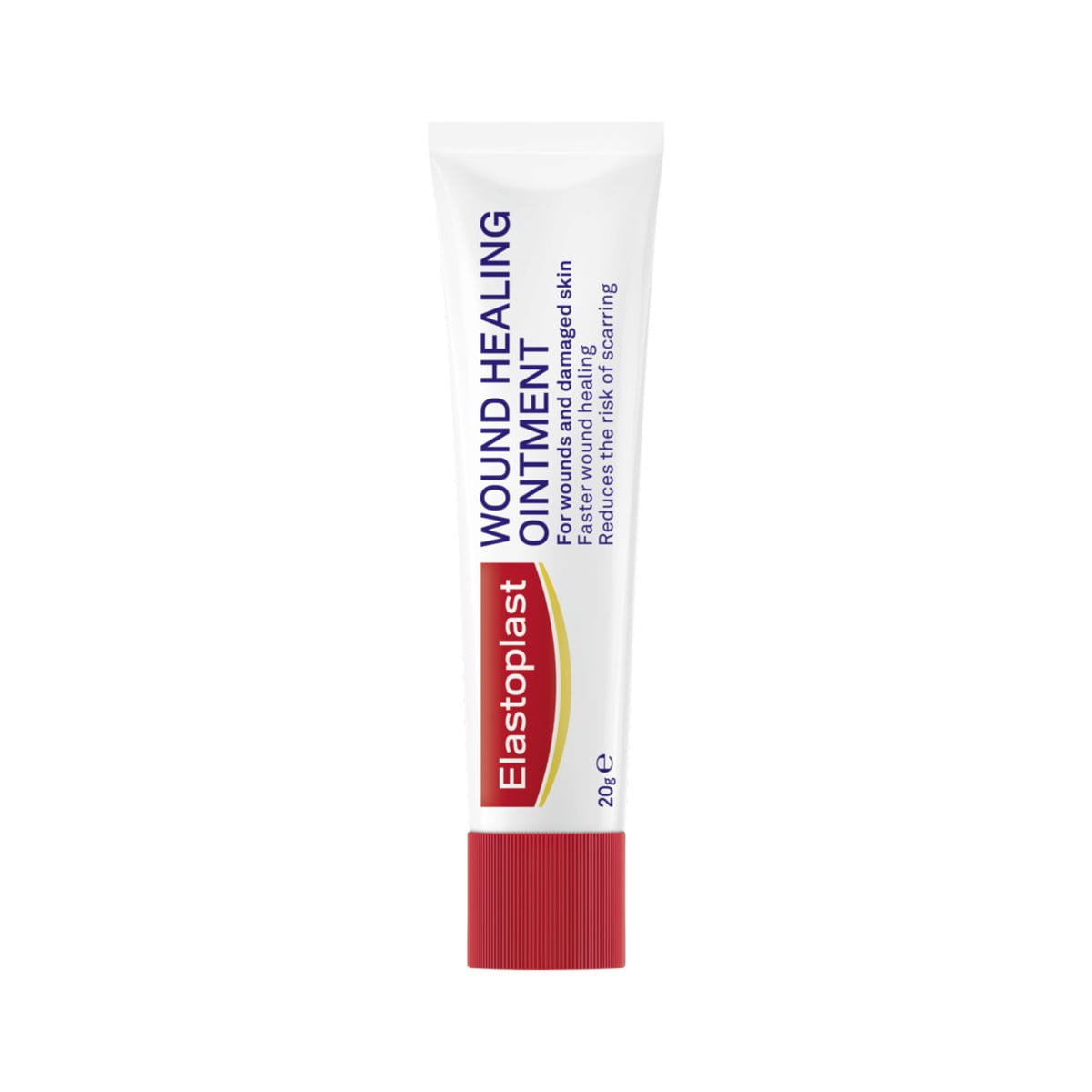
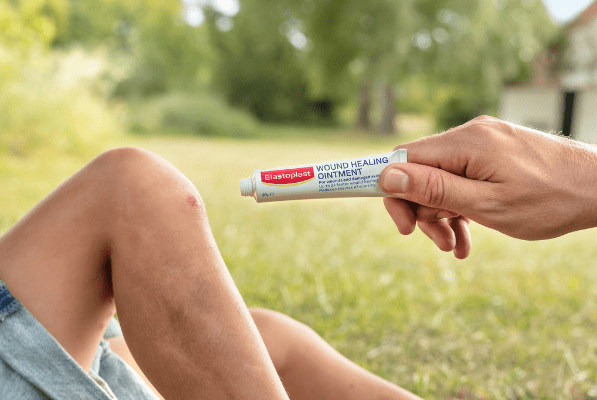
Elastoplast Wound Healing Ointment can be applied to minor cuts, abrasions, scratches, or small burns to create a breathable protective film, maintain moisture, and support the body’s natural repair process. Dermatologically tested and suitable for sensitive skin, children, and babies, it can be used with standard Elastoplast plasters, including fabric, sensitive, and water-resistant variants.

Aftercare and wound healing

Proper wound care doesn’t stop once bleeding has been controlled. Aftercare is essential to support the body’s natural healing process, reduce the risk of infection, and minimise scarring. The following steps outline key considerations to help wounds recover safely.

Preventing infection

Flat lay of plasters, ointments, and spray if we have this type of image
Using antiseptics, plasters, and ointments together supports safe and fast healing.

Stopping the bleeding is only the first step in wound care. Taking measures to prevent infection is just as important, as it helps the wound heal safely, reduces the risk of complications, and supports a smoother recovery process.

  • Daily dressing checks and changes: Inspect the wound at least once a day, and replace plasters or bandages if they become wet, dirty, or loose. For larger or persistent wounds, regular monitoring is particularly important, even if the dressing remains in place for longer periods.
  • Antiseptic support: Use an antiseptic spray like Elastoplast Wound Spray or an antiseptic cream to support the healing process, especially for outdoor injuries or scratches from animals, to reduce the risk of infection.
  • Moist wound healing: Modern research shows that wounds heal faster and are less likely to scar when kept slightly moist rather than leaving the wound exposed to air. Products like Elastoplast Wound Healing Ointment can help maintain this optimal environment.

Supporting healing

Even once the bleeding has stopped and the wound is covered, ongoing care is essential to help the skin repair effectively:

  • Keep the wound covered: Protects against bacteria and supports the healing process.
  • Avoid picking at scabs: Removing scabs can reopen the wound and increase the risk of scarring.
  • Support your body: Adequate hydration, rest, and balanced nutrition all contribute to optimal healing.

Scar prevention

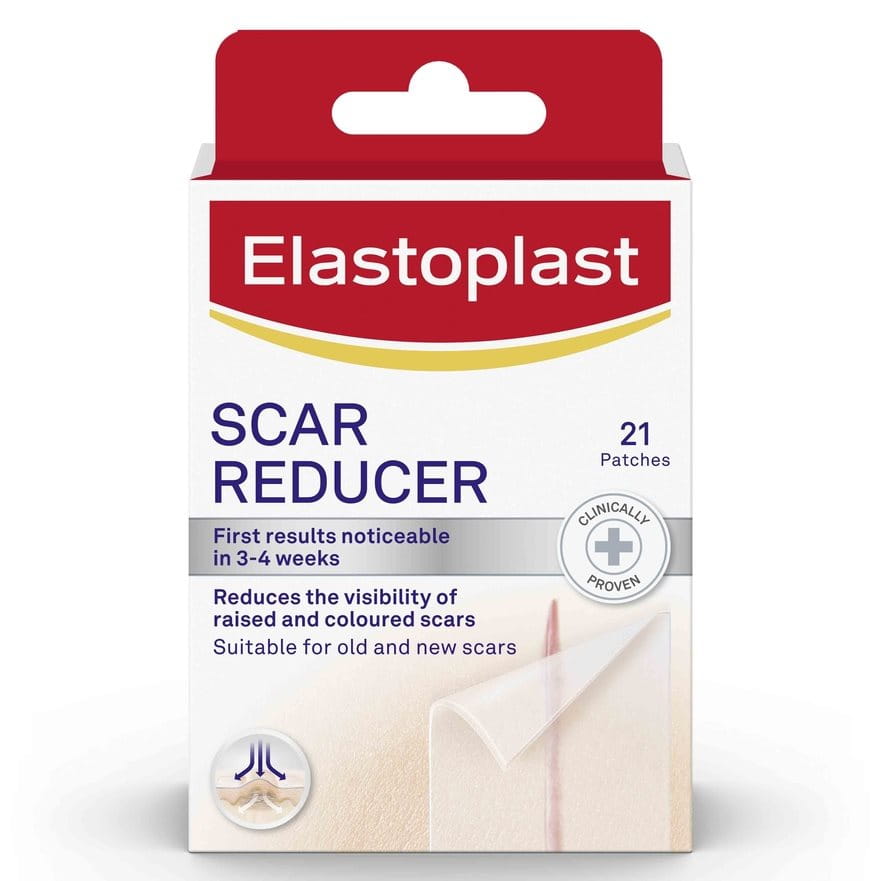
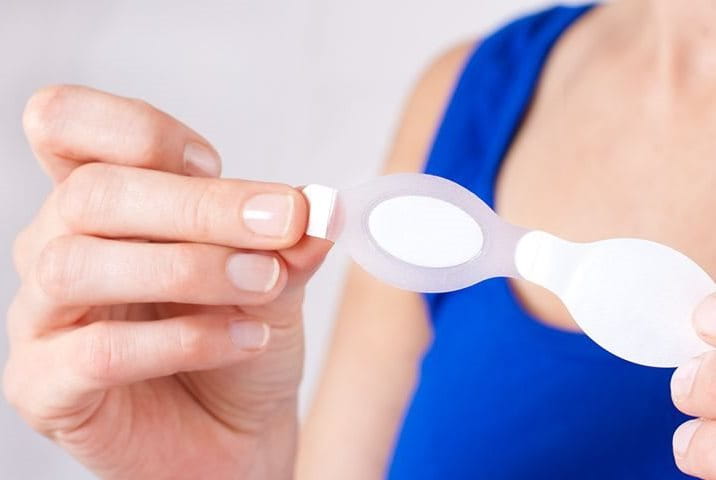
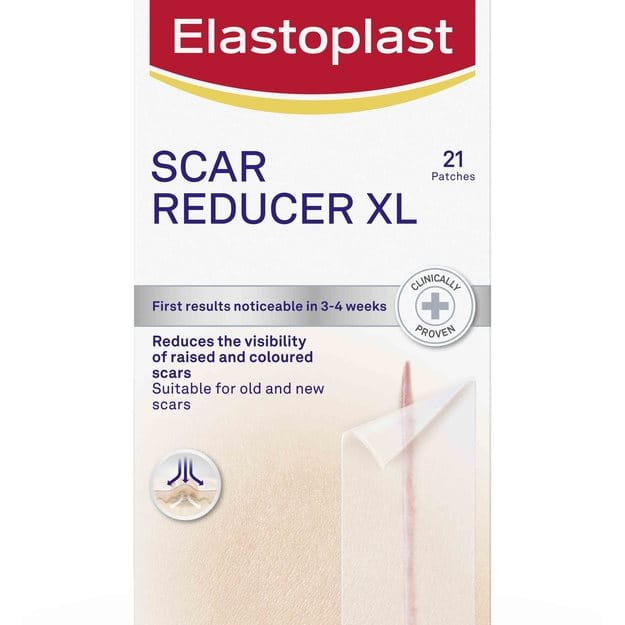
For visible areas such as the face or hands, taking extra care after the wound has closed can help reduce long-term marks. Consider using silicone gels or scar-reducing plasters, such as the Elastoplast Scar Reducer Patches, which are designed to support smoother skin recovery and minimise the appearance of scars.

Healing timelines

Understanding how wounds typically heal can help you manage expectations, monitor progress, and notice any signs of delayed healing.

  • Minor cuts: Healing is often quick, and many improve within about a week with proper care.
  • Deeper cuts: May take longer to heal and, depending on the injury, could leave a scar.
  • Chronic wounds: Wounds that do not improve after several weeks should be assessed by a healthcare professional.

Everyday scenarios and first aid tips

Accidents can happen at any time, so being prepared with the right supplies and knowledge helps you respond quickly, safely, and effectively.

  • Kitchen accidents: Keep plasters, clean cloths, and antiseptic supplies within easy reach to treat minor cuts and scrapes immediately.
  • Children at play: Pack a small first-aid kit with plasters, wipes, and antiseptic spray for trips to the park or playground, ensuring quick care for little injuries.
  • Sports injuries: Clean and dress scrapes promptly after activity to prevent dirt from embedding in the wound and reduce the risk of infection.
  • Travel preparedness: A compact first-aid kit is ideal for hikes, beach trips, or holidays, providing all the essentials to manage cuts and scrapes safely while on the go.

FAQ about how to stop bleeding from cuts (7)

Summary

Promptly stopping bleeding and caring for wounds correctly not only reduces the risk of infection but also supports the body’s natural healing process. By following Elastoplast’s Clean, Protect, Heal routine, you can manage everyday cuts and scrapes safely and effectively, giving wounds the best chance to heal with minimal complications. For more serious injuries, including severe wounds, heavy or persistent bleeding, or any signs of infection, always seek professional medical advice without delay.

Seek medical care if a wound is deep, bleeds heavily, or shows signs of infection. The guidance in this article does not replace professional healthcare advice. Always follow product instructions and consult a healthcare provider with any concerns.


Related Articles