Close-up shot of a person touching a horizontal c-section scar on their lower belly

C-Section Scar Recovery: Healing Stages, Timeline, and Care

Show More

Last Reviewed: April, 2026

A C-section (caesarean section) is a major operation that allows a baby to be born through an incision in the lower abdomen. As the body heals, a C-section scar forms at the site of the incision, which is a natural part of recovery1.

While every C-section scar is different, it is normal for its appearance and texture to change over time. Understanding the healing stages and timeline can help you know what to expect and how to care for your skin, so the area heals as comfortably and smoothly as possible.
What does a C-section scar look like after surgery?

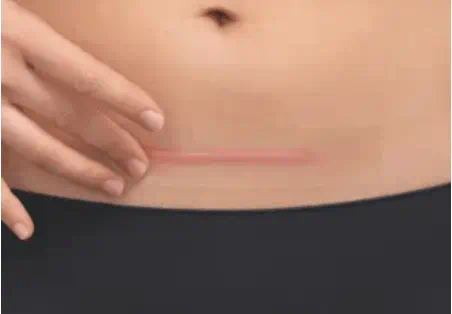
Close up of woman’s caesarean scar
C-section scars are typically horizontal

A C-section incision scar usually appears as a thin line across the lower abdomen, just above the pubic hairline. In most cases, it is a horizontal scar measuring around 10-20 centimetres, depending on the type of incision and individual healing.2

Immediately after surgery, the area may look red, darker than the surrounding skin or slightly raised. It can also feel tender, tight or swollen as the body begins the natural healing process. Stitches, surgical glue or staples are used to close the incision, and these are gradually removed or dissolve as the skin repairs itself.

Over time, a C-section scar typically becomes flatter, softer and less noticeable as it moves through the healing stages. Less commonly, a vertical incision may be used, which results in a different scar shape.2

A C-section scar usually starts as a raised or red line, but it typically becomes flatter, softer and less visible as it heals.

Types of C-section incision scars

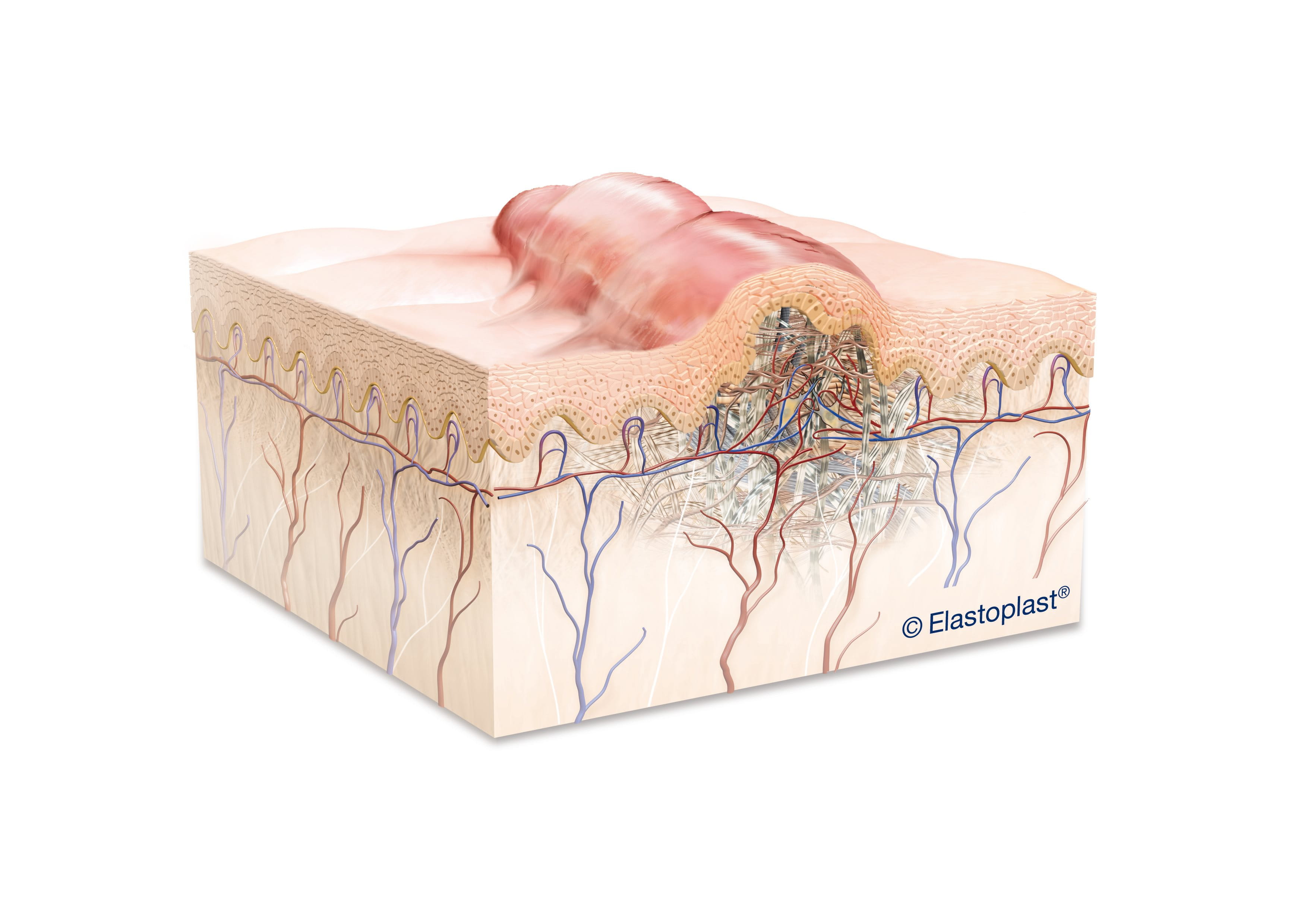
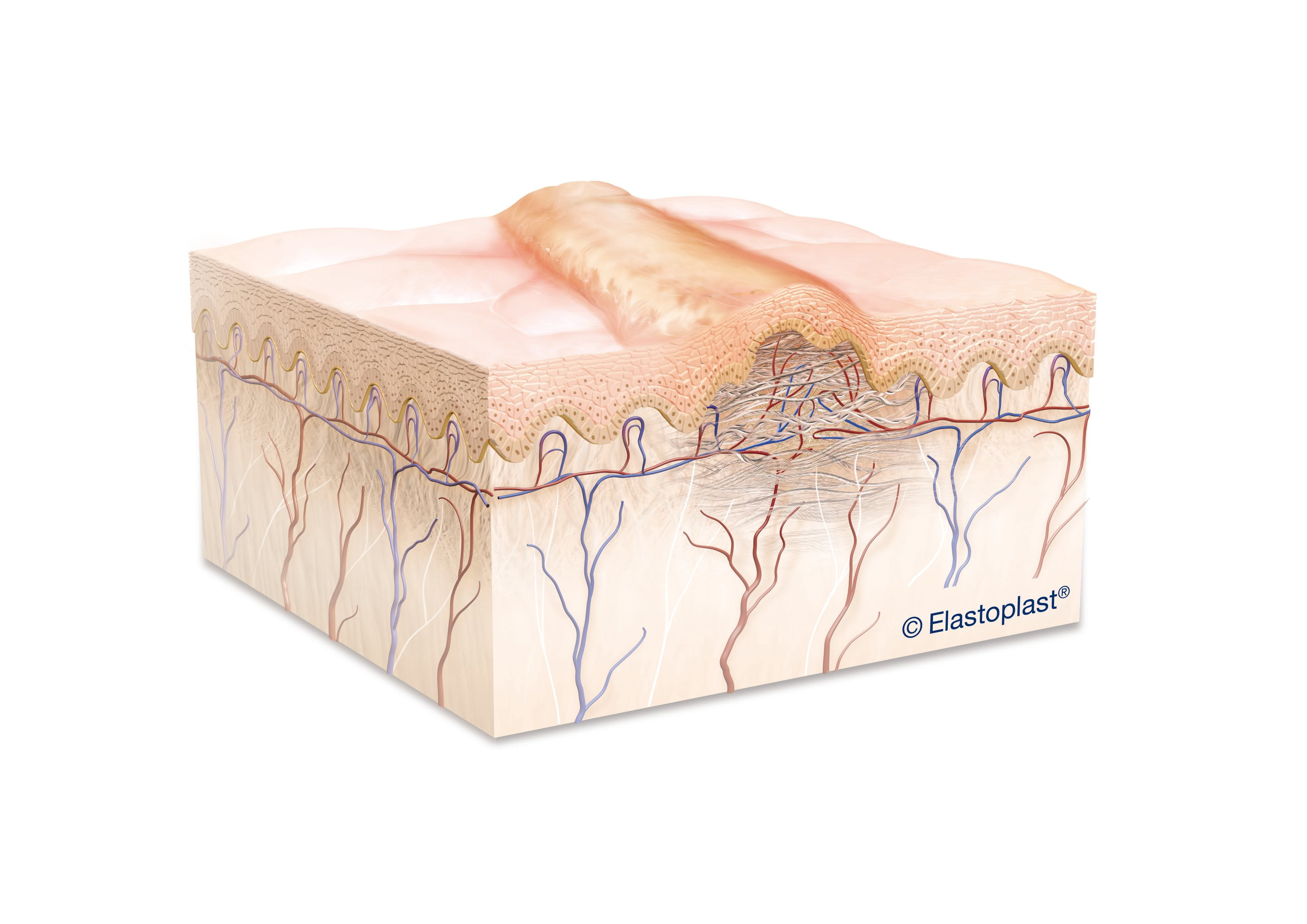
Scientific illustration of a hypertrophic scar
Hypertrophic scars tend to be smaller than keloid scars

Different surgical approaches can result in different C-section scar types, depending on medical needs. A horizontal incision is the most common and is made just above the pubic hairline. In some cases, a vertical incision may be necessary based on the urgency of delivery or other medical considerations2.

Scientific illustration of a keloid scar
Keloid scars occur due to an overproduction of collagen in the skin

How a C-section scar heals varies from person to person and can be influenced by factors such as skin type, genetics and how previous scars have healed. Most scars heal without complications, but their final appearance can differ in texture, colour and visibility.

  • Keloid C-section scars form when the body produces excess Collagen. The scar tissue grows beyond the original incision site and may appear raised, thick or lumpy. or lumpy.
  • Hypertrophic C-section scars are raised and firm but remain within the boundaries of the original wound. They may become less noticeable over time with proper scar care.3

How is a C-section incision scar different from other surgical scars?

A C-section incision scar is different from many other surgical scars because it involves healing through multiple layers of tissue, not just the skin. This means recovery happens both at the surface and deeper within the abdominal area, which can influence how the scar feels and changes over time2.

Because of this deeper healing process, a C-section scar may take longer to fully settle compared with some other surgical wounds. It is common to experience tightness, pulling sensations or sensitivity in the area as the deeper tissue repairs itself4.

A C-section scar heals through multiple layers of tissue, which is why recovery can take longer and feel different from other surgical wounds.
How a C-section scar develops is also influenced by individual factors such as skin type, genetics and overall healing response. Most scars heal without complications, but their final appearance can vary in texture, colour and visibility.

C-section scar healing stages and recovery timeline

C-section scar healing follows a gradual process that continues well beyond the initial recovery from surgery. While the wound begins to close in the first few weeks, the skin and deeper tissue continue to repair and strengthen over time.4

Understanding how healing progresses can help you know what to expect at each stage and how to care for your skin as the scar continues to mature.

C-section recovery timeline overview

The recovery timeline shows how healing typically progresses over time. While everyone heals differently, most people experience similar stages of physical recovery.

  • 0-2 weeks: Early recovery with swelling, tenderness and scabbing as the wound begins to close.
  • 6-8 weeks: Initial physical recovery, with reduced discomfort and improved mobility.
  • 3-12 months: The scar continues to soften, flatten and fade as it matures4.

Even after a year, subtle changes in texture and colour may continue as the skin continues to remodel.

C-section healing stages explained

C-section scars heal in predictable biological stages as the body repairs tissue from the inside out. These stages describe what is happening beneath the skin during recovery5.

  • Inflammatory stage (first few days): The body protects the wound, stops bleeding and begins early repair. The area may look red, swollen or slightly raised.
  • Proliferative stage (weeks 1-6): New tissue forms as Collagen rebuilds the skin, and new blood vessels develop.
  • Remodelling stage (months up to 1 year+): Collagen reorganises, and the scar gradually becomes flatter, softer and less visible.

Why is my C-section scar itchy and how can I relieve it?

An itchy C-section scar is a normal part of healing and usually occurs as the skin, nerves and tissues repair themselves. As new tissue forms, the area can feel sensitive or itchy during the recovery process6.

In some cases, itching may also be caused by external factors such as clothing friction or hair regrowth after surgery.

How to relieve C-section scar itching

Simple steps can help reduce discomfort and support healing:  

  • Apply a cool compress to help soothe irritation.
  • Wear loose, breathable clothing to reduce friction.
  • Avoid scratching, as this can irritate the skin or increase infection risk.
  • Gently supporting or lightly pressing the area may help reduce the urge to scratch.

As the scar matures, itching usually reduces naturally as nerve sensitivity settles7.

How to care for a C-section scar during recovery

Proper care during recovery supports healing and can help improve how the scar looks and feels over time.

In the early stages, keeping the area clean, dry and protected helps the skin repair naturally. Avoiding unnecessary pressure or friction can also help reduce irritation and support a more comfortable healing process.4

Early signs to watch for, including infection

Most C-section scars heal without complications, but it is important to monitor the area closely in the early weeks.

Watch for:

  • Increasing redness or swelling.
  • Warmth around the incision.
  • Pus or unusual discharge.
  • Worsening pain or tenderness.
  • Fever or feeling unwell4.

If any of these symptoms appear, seek medical advice promptly.

How to reduce a C-section scar and improve its appearance over time

A C-section scar is a natural part of recovery and will not disappear completely, but its appearance typically improves as the skin heals and remodels. Over time, most scars become flatter, softer and less noticeable as part of the normal healing process8.

How a scar develops varies from person to person and can be influenced by factors such as skin type, genetics and how the wound heals. While these factors affect the final appearance, consistent scar care can help support smoother, more even-looking skin over time.

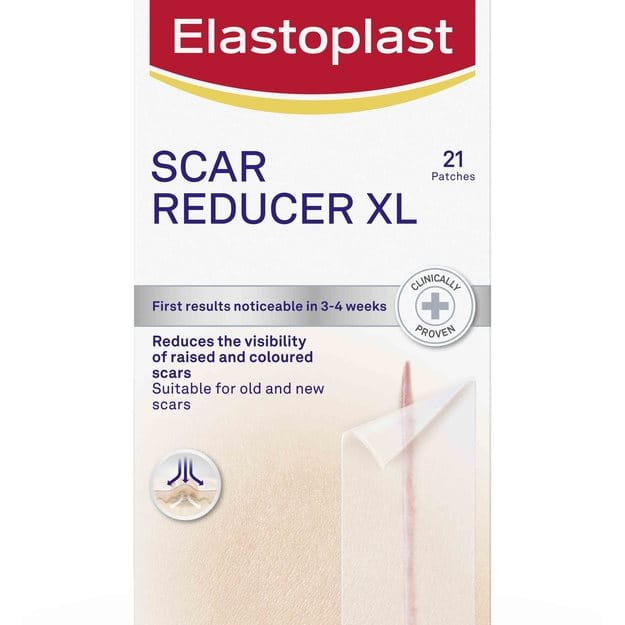
Elastoplast Scar Reducer XL Patches for C-section scars

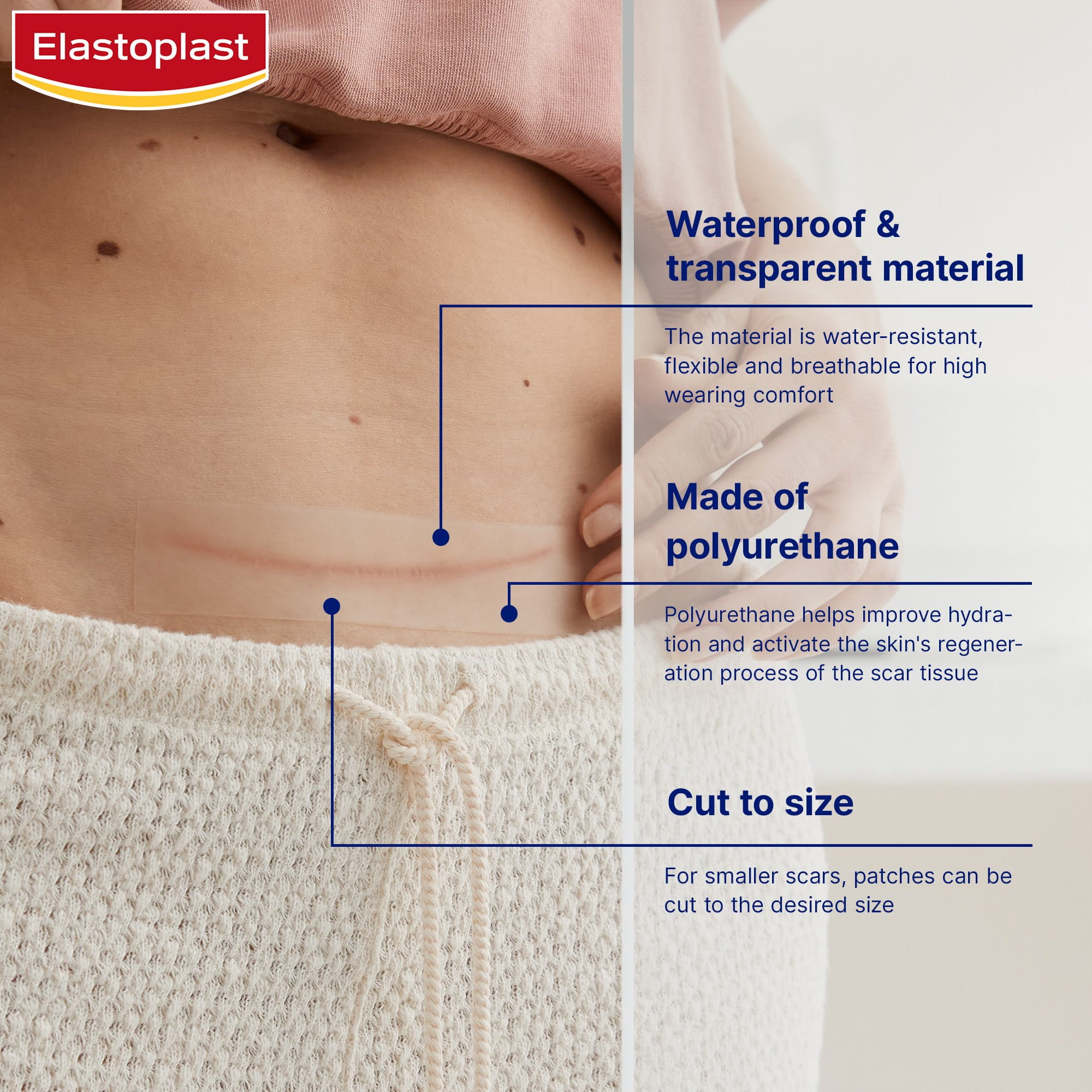
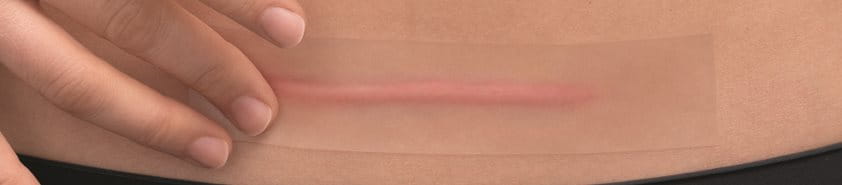
Image of an Elastoplast Scar Reducer XL Patch over a c-section scar with text overlayed on the image explaining the product benefits.
Elastoplast Scar Reducer XL Patches are ideal for larger scars like c-section scars

Elastoplast Scar Reducer XL Patches are designed for larger scars, such as C-sections and can be used on both new and older scars.

They support the skin’s natural healing environment and the normal maturation process of scar tissue.

Key benefits include:

  • Helping reduce the visibility of raised and coloured scars.
  • Making scars appear flatter, softer and lighter over time.
  • Suitable for use on raised scars such as hypertrophic or keloid‑type scars.
  • Flexible, transparent and comfortable for everyday wear.

With regular use, this product reduces the visibility of raised and coloured scars with first results noticeable after 3-4 weeks.

What do C-section scars look like long-term and do they go away completely?

A C-section scar is permanent, but it continues to change long after surgery. As healing progresses, the scar gradually becomes less noticeable in both appearance and texture.4

Over time, most C-section scars:

  • Become flatter and softer.
  • Fade in colour and blend more naturally with surrounding skin.
  • Feel less sensitive or noticeable in everyday life.

For many people, the scar becomes subtle enough that it is barely visible. How much a scar fades varies from person to person and can depend on factors such as skin type, genetics and how well it is cared for during recovery.4

Why does my C-section scar still hurt years later?

Some people may experience ongoing sensitivity in a C-section scar even long after it has healed. While this is not always a sign of a problem, it can occur as part of the body’s long-term healing response.4

Possible causes include:

  • Tight or less flexible scar tissue.
  • Nerve sensitivity as nerves recover or remain reactive.
  • Changes in surrounding muscles or deeper tissue healing .

The sensation may feel like pulling, tingling or occasional discomfort, especially during movement or pressure on the area. If the pain is persistent, worsening or starts to affect daily life, it is important to seek medical advice.4

What do multiple C-section scars look like and how do they heal?

If you have had more than one caesarean, you may have multiple C-section scars or overlapping incision lines.9

These scars can: 

  • Sit close together or overlap.
  • Appear thicker or more textured.
  • Take longer to fully soften.

Although healing follows the same stages, scar appearance can vary more in these cases. With consistent care, the texture and visibility of the scars can gradually improve over time.9

Summary: C-section scar healing and recovery

A C-section scar is a normal part of recovery after a caesarean birth. While the body begins healing immediately after surgery, the scar continues to change in appearance and texture for many months as the skin repairs and remodels itself.

Understanding the C-section healing stages and recovery timeline can help you recognise what is normal during healing and support your skin at each stage. With consistent care, most scars gradually become flatter, softer and less visible over time, while also becoming more comfortable as healing progresses.

FAQs about C-section scars, healing, and recovery (8)

  • What does a C-section scar look like after surgery?

    A C-section scar usually appears as a thin line across the lower abdomen, just above the pubic hairline. It is often slightly raised, red or darker in colour at first and may feel tender or swollen. Over time, it gradually becomes flatter, softer and less visible as it heals.
  • How long does a C-section scar take to fully heal?

    Initial healing usually takes around 6-8 weeks, when the wound closes and physical recovery improves. However, the scar continues to mature for up to 12 months or longer as it softens, flattens and fades in appearance.
  • Will my C-section scar ever go away completely?

    A C-section scar is permanent, but it usually becomes much less visible over time. In most cases, it fades in colour, flattens in texture and blends more naturally with surrounding skin, although it will not disappear completely.
  • Why is my C-section scar still itchy months later?

    Itching can continue for months as nerves regenerate and the skin continues to heal and remodel. This is usually normal, but if itching is severe, persistent or linked with redness, swelling or discharge, medical advice should be sought.
  • When should I start massaging my C-section scar?

    Scar massage is usually recommended from around 6-8 weeks after surgery, once the wound has fully closed and healed. Gentle massage may help improve flexibility and comfort, but always follow guidance from your healthcare professional.
  • Can a C-section scar tear during pregnancy?

    This is very rare. In most cases, a healed C-section scar remains strong during pregnancy, but your healthcare team will monitor your scar as part of routine antenatal care to ensure everything is progressing safely.
  • How long does a C-section scar hurt?

    Mild pain or sensitivity is common in the early weeks after surgery. Some people may also experience occasional discomfort or tightness for longer as deeper tissues heal, but this usually improves over time.
  • What do multiple C-section scars look like, and how do they heal?

    Multiple C-section scars may overlap or sit close together and can sometimes appear thicker or more textured than a single scar. Healing follows the same stages, but the area may take longer to fully soften. With consistent care, the appearance can continue to improve over time.

Related Articles

Citations

  1. National Health Service (NHS). Caesarean Section. https://www.nhs.uk/tests-and-treatments/caesarean-section/ .
  2. National Center for Biotechnology Information. PMC343856. PubMed Central. https://pmc.ncbi.nlm.nih.gov/articles/PMC343856/ .
  3. National Center for Biotechnology Information. PMC4186912. PubMed Central. https://pmc.ncbi.nlm.nih.gov/articles/PMC4186912/ .
  4. National Health Service (NHS). Caesarean Section – Recovery. https://www.nhs.uk/tests-and-treatments/caesarean-section/recovery/ .
  5. National Center for Biotechnology Information. PMC2903966. PubMed Central. https://pmc.ncbi.nlm.nih.gov/articles/PMC2903966/ .
  6. National Center for Biotechnology Information. PubMed Record: PMID 39162378. https://pubmed.ncbi.nlm.nih.gov/39162378/ .
  7. West Cheshire Hospitals NHS Foundation Trust. Wound Care Management for Patients, Family Members and Carers. https://www.wchc.nhs.uk/resources/wound-care-management-for-patients-family-members-and-carers/ .
  8. National Center for Biotechnology Information. PMC2903966. PubMed Central. https://pmc.ncbi.nlm.nih.gov/articles/PMC2903966/ .
  9. National Center for Biotechnology Information. PMC5965342. PubMed Central. https://pmc.ncbi.nlm.nih.gov/articles/PMC5965342/ .

Disclaimer: Always consult a doctor if the wound is deep, bleeding heavily, or caused by a bite or contaminated object. Also seek medical attention if you notice signs of infection, such as redness, swelling, pain, or warmth, or if you are unable to clean the wound properly or if there are foreign objects in it.

Please note that, although the advice on this website has been compiled with care, it is not a substitute for professional medical guidance. It is not intended for self-diagnosis or treatment. Always read and follow the instructions or leaflets provided with our products.

For further information about our products, please contact us via email at ConsumerRelationsUK@Beiersdorf.com