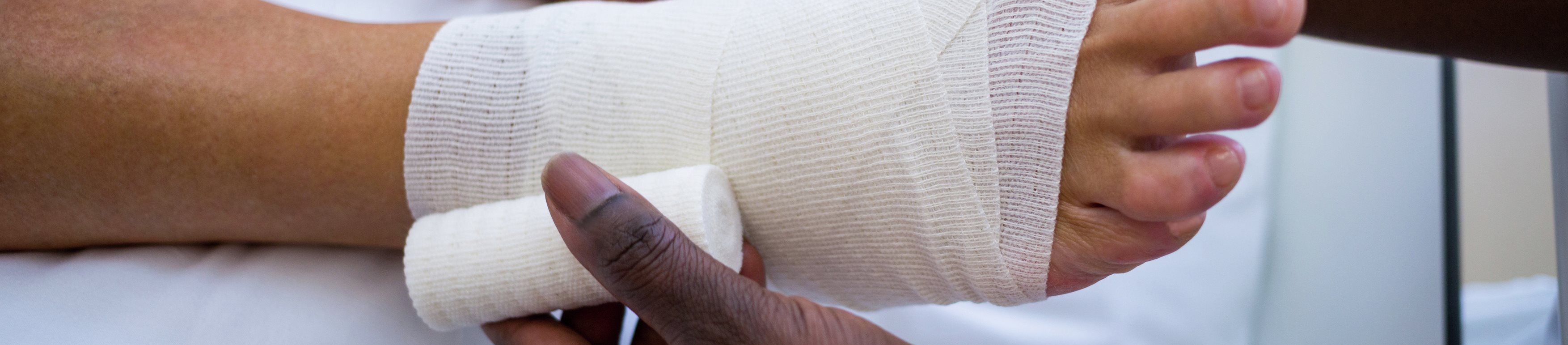
Doctor wrapping someone’s foot with a bandage

Diabetes and Wound Healing: How to Care for Diabetic Wounds Safely

8 min. read
Show More

Published: October 2025


Diabetes is a condition that affects the body’s ability to regulate blood sugar. Over time, high blood sugar can cause damage to nerves, blood vessels, and the immune system, all of which play a key role in diabetes and skin healing . As a result, people with diabetes are more susceptible to wounds that heal more slowly or develop complications such as infections.

Diabetic wounds are particularly common on the feet and lower legs due to reduced sensation caused by neuropathy and decreased blood circulation. Without proper care, even minor cuts, blisters, or scratches can worsen and potentially lead to ulcers or more serious infections. Understanding how diabetes affects wound healing is the first step toward preventing complications and maintaining healthy skin.
Why does diabetes cause slow wound healing?

Several factors contribute to delayed wound healing and slow healing cuts in people with diabetes. High blood sugar can cause damage to blood vessels, reducing circulation and limiting oxygen and nutrients needed for tissue repair, which slows healing. Diabetes can also cause nerve damage, or neuropathy, reducing sensation in the feet and hands and making injuries easier to miss. 

Additionally, a weakened immune system and chronic inflammation can further slow the body’s ability to fight infection and repair tissue.

Reduced Blood Circulation

High blood sugar can damage blood vessels over time, causing them to narrow and harden. Limited blood flow to affected areas reduces the supply of oxygen and nutrients that are vital for diabetic wound healing, making even small wounds slower to repair.

Neuropathy

Peripheral neuropathy decreases sensation in the hands and feet, which means injuries can go unnoticed due to reduced pain signals. This makes daily self-checks crucial for anyone managing diabetes and wounds.

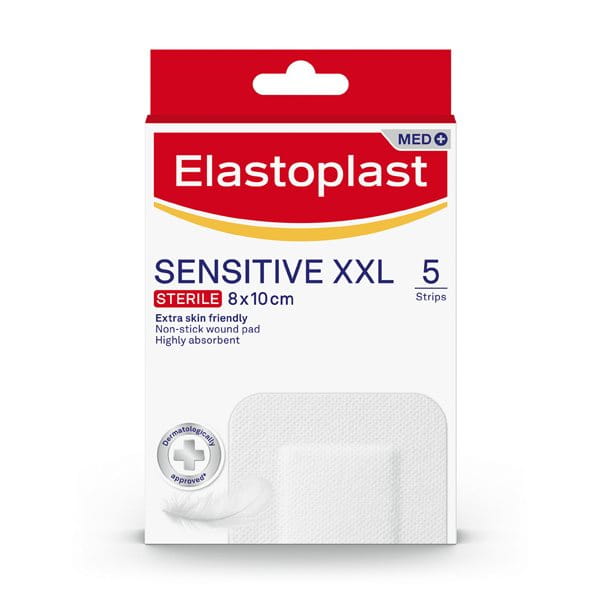
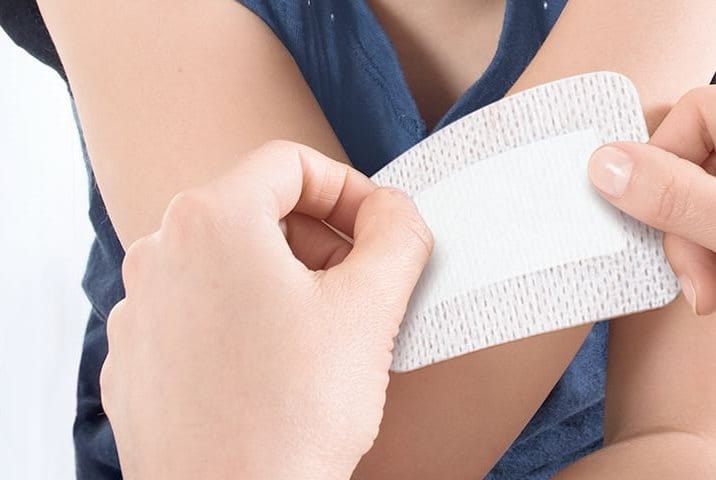
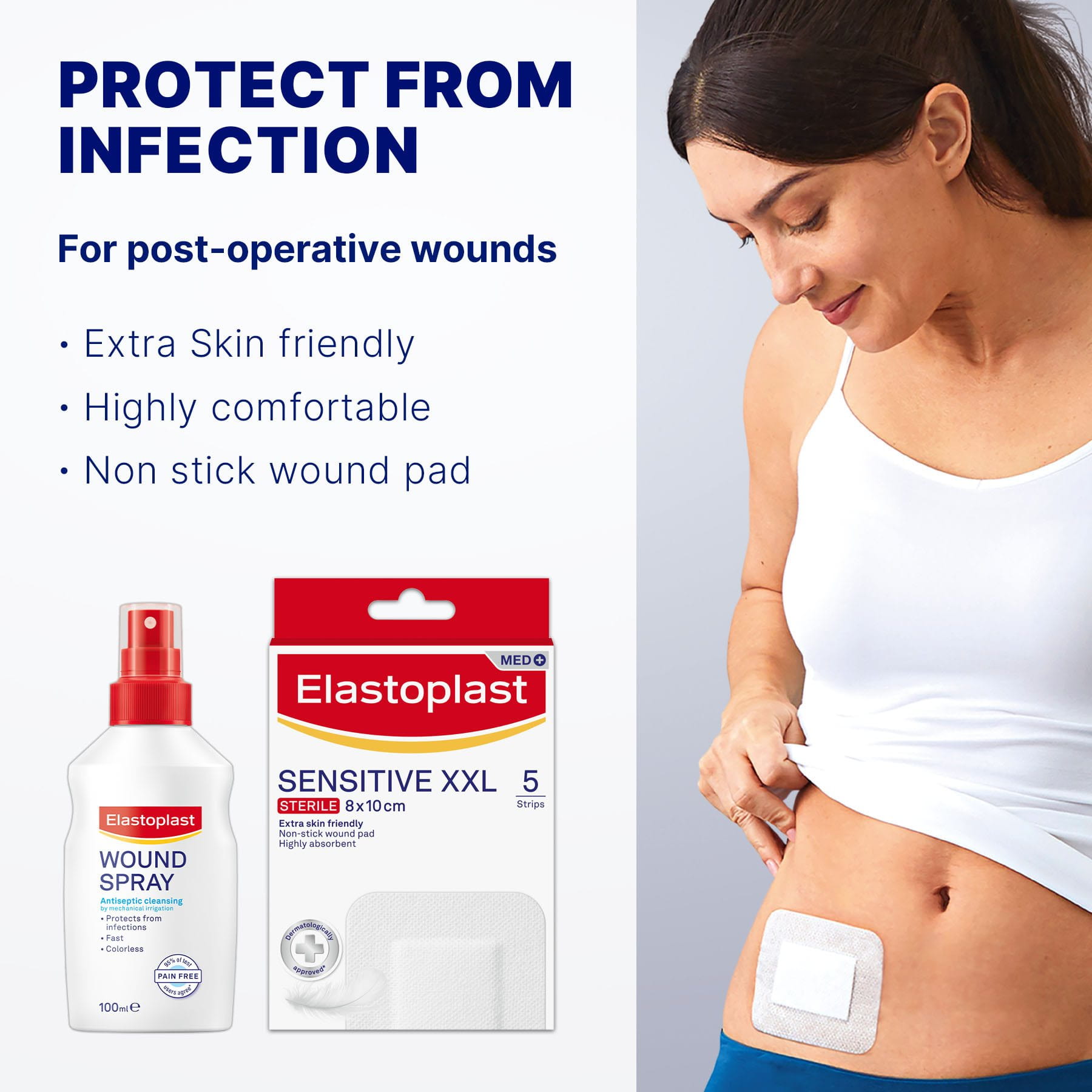
Tip: Use Elastoplast XL or XXL Wound Dressings to cover and protect larger wounds while reducing friction and irritation.

Compromised Immune System

Elevated blood sugar impairs white blood cell function, weakening the body’s response to infection. Even minor wounds in diabetes can become serious if bacteria enter the site, which can lead to complications such as diabetic ulcers or cellulitis.

Chronic Inflammation

While inflammation is a natural part of the wound healing process, in people with diabetes, it can persist longer than usual. Prolonged inflammation interferes with tissue repair, delays wound closure, and increases the risk of complications.

Due to these combined factors, wounds in diabetes require careful monitoring, early intervention, and consistent care. 

Following proper diabetes wound care practices, including cleaning, protection, and regular observation, can help diabetic wounds heal faster and reduce therisk of infection or further tissue damage.

How to recognise a diabetic wound

Diabetic wounds often appear as areas of broken or damaged skin that develop more easily due to reduced sensation, poor circulation, or repeated pressure. They may start as small cuts, blisters, or burns, and because cuts heal slowly  in people with diabetes, even minor injuries can become serious if left untreated. Common signs include:

  • Blisters or burns on the feet or toes.
  • Ulcers, open sores, or persistent redness.
  • Areas that are slow to heal or repeatedly break down.
It’s important to recognise diabetic wounds early. Look for blisters, ulcers, slow-healing cuts, or unusual swelling to prevent infection and promote faster healing.
Other warning signs include swelling, warmth, tenderness, unusual discharge, or an unpleasant smell. Recognising wounds early is critical to prevent infections and promote timely treatment.

Why early care is vital for diabetic wounds

Prompt attention is crucial for diabetic wounds. Checking the feet, hands, and other vulnerable areas daily can help detect injuries before they worsen. Early intervention can prevent infections, reduce healing time, and lower the risk of complications such as ulcers, gangrene, or sepsis. Learn more below about how to treat diabetic wounds effectively below.
Early care of diabetic wounds makes a significant difference, helping to prevent complications and support faster wound healing in people with diabetes.

Practical tips for safe and effective diabetic wound care

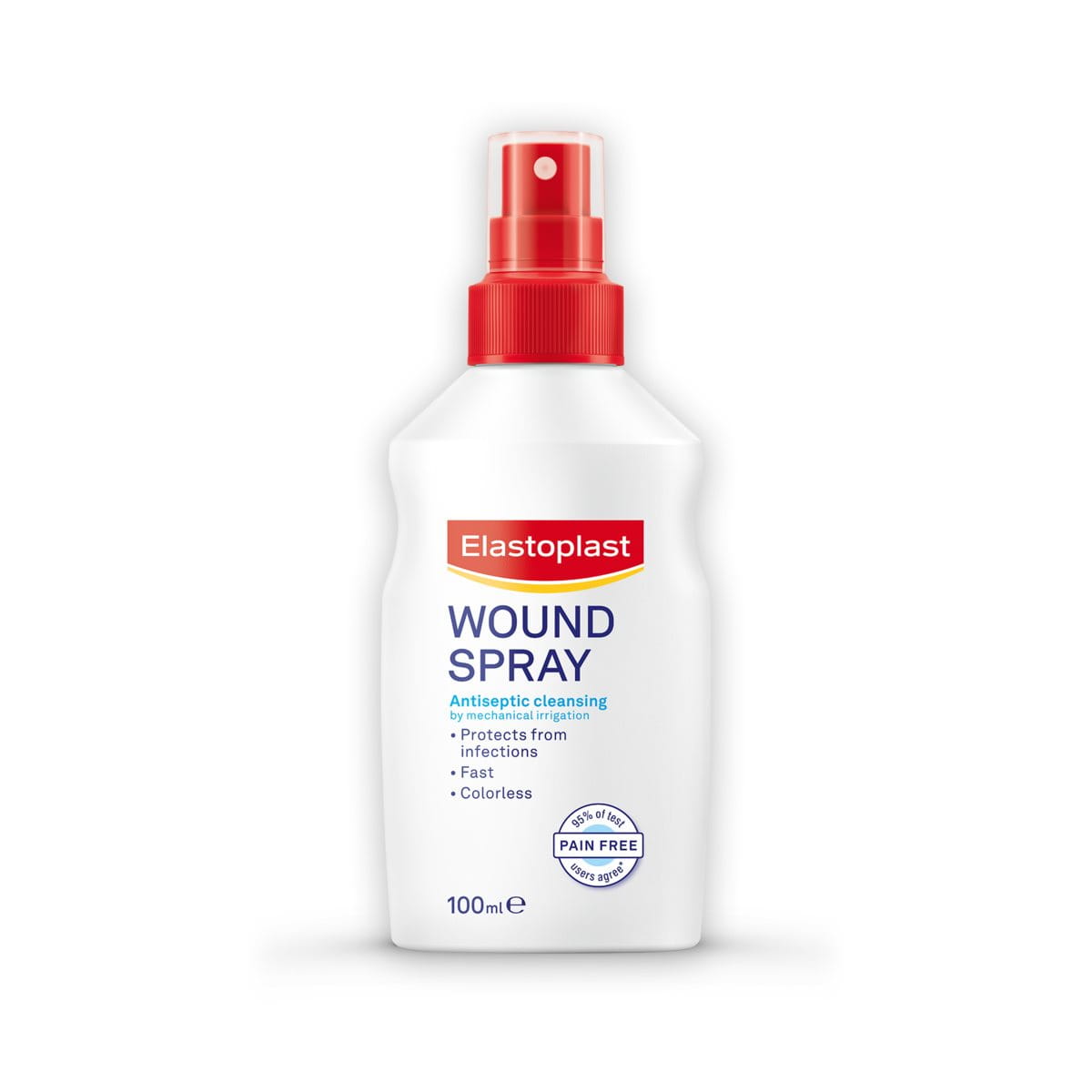
The most important step in diabetic wound care is to start treating the wound as soon as possible, even small ones. Early care can help reduce the risk of complications, infection, and delayed healing. Begin by cleaning the area thoroughly to remove dirt and bacteria, as infections can develop quickly in people with diabetes. Using a gentle, pain-free cleansing solution such as Elastoplast Wound Spray helps to effectively clean the wound without stinging or damaging tissue, creating the ideal environment for healing. This simple routine supports optimal wound recovery and prepares the skin for the next step in care

Proper wound cleaning for diabetic wounds

Before touching a wound, wash your hands thoroughly to reduce the risk of spreading bacteria. Gently cleanse the wound with water or a gentle, alcohol-free antiseptic spray, such as Elastoplast Wound Spray, to remove dirt and impurities. 

This alcohol-free spray cleans effectively without stinging, drying, or irritating the tissue, creating the ideal environment for healing. Prompt and careful cleaning helps prevent infection and prepares the wound for the next step: applying a protective dressing.

Protect wounds with diabetic-safe dressings

Person applying an Elastoplast dressing or large plaster to their foot.
Using the right dressing or plaster on diabetic wounds helps maintain moisture balance and protects the skin during healing.

Once the area is clean, cover it with an appropriate dressing to support healing and protect against infection. Certain types of dressings work particularly well for diabetic wounds and some options like Elastoplast Sensitive Plasters are designed to be delicate on more sensitive skin.

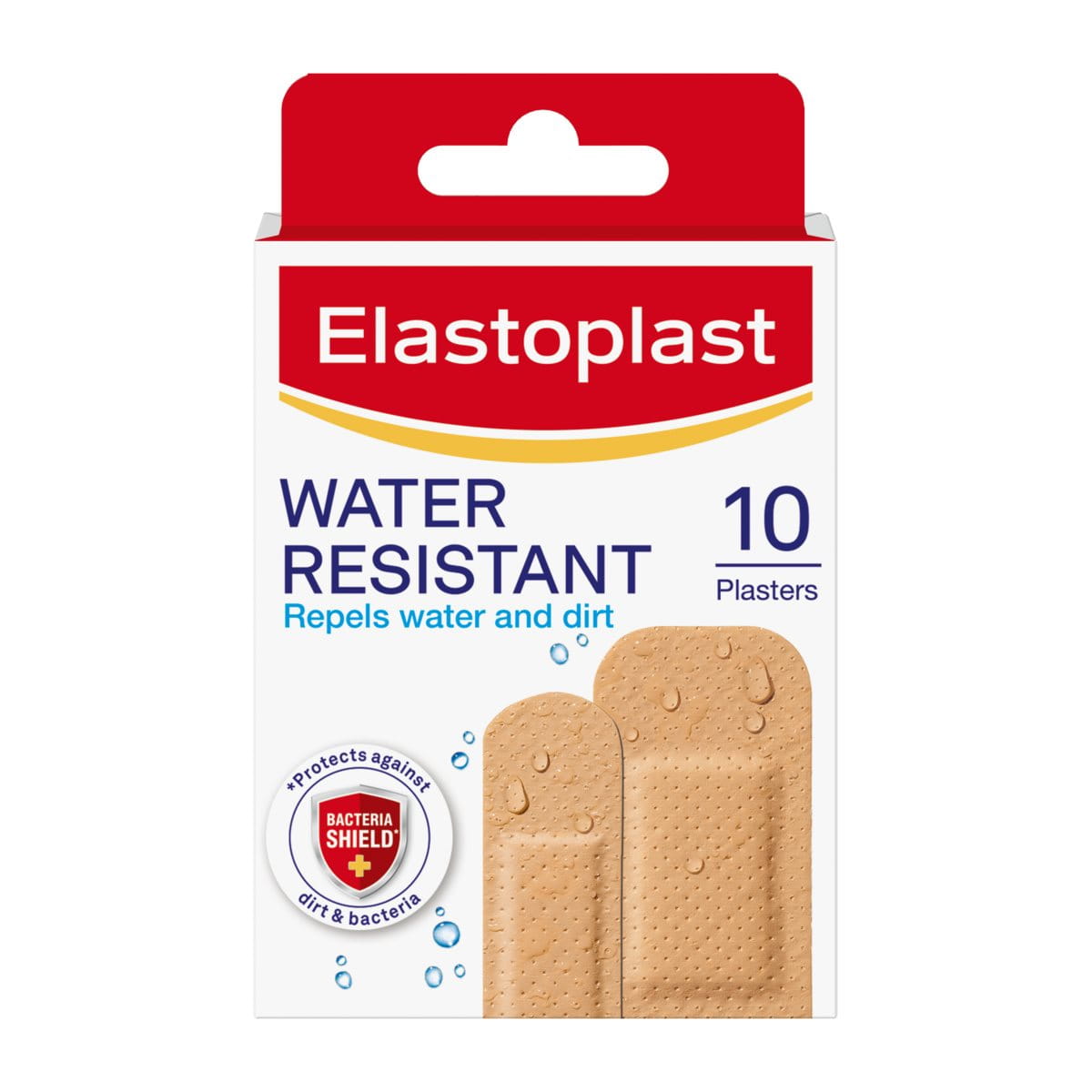
For larger or more absorbent coverage, Elastoplast XL or XXL Wound Dressings provide strong protection from friction and bacteria. For minor cuts or abrasions, water-resistant or fabric plasters like Elastoplast Fabric Plasters  protect the wound while allowing normal movement. It’s good to know there are certain types of wound dressings that work more effectively for diabetic wounds:

  • Sensitive plasters - designed for delicate or sensitive skin, options like Elastoplast Sensitive Dressing XL, provide gentle protection for diabetic wounds without causing irritation, supporting safe and comfortable healing.  
  • Foam dressings - soft, cushioned, and highly absorbent, foam dressings help protect diabetic wounds from friction and manage excess fluid, supporting a safe and comfortable healing environment.
  • Alginate dressings - made from natural seaweed, these dressings can absorb up to 20 times their weight in fluid, making them perfect for wounds that produce more moisture and helping to create the ideal environment for healing.
  • Hydrogel dressings - water-based gel dressings keep the wound slightly moist, which aids tissue repair, soothes discomfort, and promotes faster recovery for minor to moderate wounds. 
Avoid putting pressure, stress, or weight on diabetic wounds to prevent delayed healing and reduce the risk of infection.

Care for diabetic wounds to support faster healing

Keep the wound covered and avoid putting pressure on it. Regularly check the dressing and replace it if it becomes wet or dirty. Protective measures reduce the risk of infection and help the wound heal more efficiently. Elevate the affected area, if possible, to reduce swelling and avoid walking or putting weight on wounds, especially on the feet. 
Using topical medications recommended by your healthcare professional, such as antibiotic ointments or prescribed healing creams, can also support faster recovery. Always follow your doctor's guidance when using these treatments.
  
Additional Tips

  • Apply gentle pressure to a wound to stop it bleeding and help prevent blood loss.
  • Once bleeding has stopped, use a wound healing ointment or alcohol-free antiseptic spray, then cover with a suitable plaster or bandage.  
    Clean and cover wounds promptly to reduce the risk of infection and support healing.
Following the Elastoplast wound care routine with the right dressings helps diabetic wounds heal safely and efficiently while lowering the risk of complications.

Elastoplast Products for Optimal Healing

Preventing diabetic wounds: essential tips for care

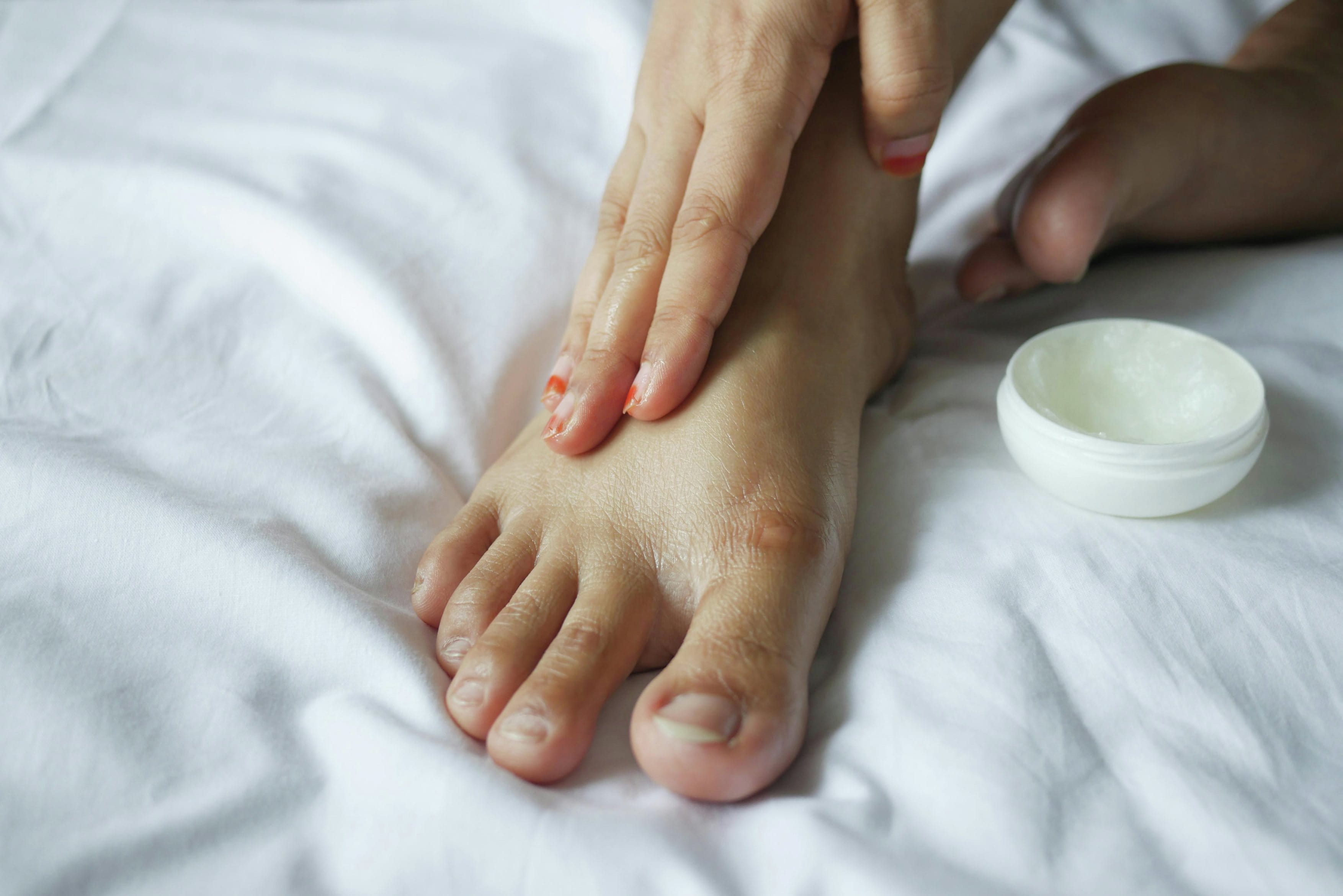
Image of someone checking their feet for blisters or applying moisturiser.
Daily foot checks and proper skin care can help prevent diabetic wounds before they start.

Prevention is crucial for people with diabetes. Simple lifestyle and hygiene measures, like the following, can lower the risk of wounds:

  • Inspect your feet daily, including between the toes, for blisters, cuts, or redness.
  • Wear well-fitting shoes and socks to reduce friction and moisture. Moisture-wicking socks help keep feet dry and comfortable.
  • Avoid walking barefoot, even around the house, to prevent accidental injuries.
  • Keep toenails trimmed straight across and file any sharp edges to prevent them from pressing into the skin.
  • Moisturise the feet with a gentle cream, but avoid applying it between the toes.
  • For high-friction areas, consider protective padding or Elastoplast Blister Plasters.
By combining preventive measures with early intervention, you can significantly reduce the risk of diabetic wounds. 

Supporting healing through good diabetes management

Laboratory blood test for diabetes diagnosis
If you have diabetes, make sure to monitor your blood sugar daily and have an HbA1c test every 3–6 months to track long-term control

Managing diabetes effectively is essential for skin healing , helping wounds repair faster and reducing complications. Maintaining healthy blood sugar levels helps improve circulation, reduce inflammation, and support the immune system. Lifestyle measures that support wound healing include:

  • Eating a balanced diet rich in protein and vitamins A and C can help promote tissue repair.
  • Staying active to encourage blood flow to the hands and feet, but avoid exercise on open wounds.
  • Following prescribed diabetes medications and regularly monitoring blood glucose levels. 
Good diabetes management supports wound care, helping diabetic wounds heal faster and reducing complications.

How to know if a diabetic wound isn’t healing properly

Even with careful care, some diabetic wounds may not heal as expected. Recognising the warning signs early is essential to prevent complications and support effective diabetes wound healing. Delayed healing can increase the risk of infection, ulcers, and more serious tissue damage, making timely intervention crucial.

When to seek professional help

Seek medical advice promptly if you notice any of the following signs or changes in a diabetic wound:

  • Persistent or worsening inflammation around the wound
  • Redness, swelling, pain, or discharge that may indicate infection
  • A wound that does not show improvement within a few weeks or appears chronic
  • Unusual changes in foot shape, skin colour, or sensation

Early consultation with a healthcare professional can help prevent serious complications such as infection or gangrene. Proper diabetic wound care under medical supervision also ensures the wound is treated appropriately, helping it heal safely and reducing the risk of further injury.

Immediate attention is required for wounds that are deep, bleed heavily, or exhibit signs of infection. The guidance in this article does not replace professional healthcare advice. Always follow product instructions and consult a healthcare provider with any concerns.


Diabetic wound care FAQs (4)

Related Articles