
Image of a cut on a finger
9 min. read
Show More

Published: June 2026 


Finger cuts are one of the most common minor injuries and can happen to anyone1, from kitchen mishaps to sharp edges around the home. Even a small cut can bleed more than you expect and feel uncomfortable, because fingers are full of nerves and blood vessels. 

The good news is that most cuts can be cared for safely at home. Knowing how to stop the bleeding, check if a cut is deeper than it looks, and spot early signs of infection will help you heal quickly and confidently2.
What are finger cuts?

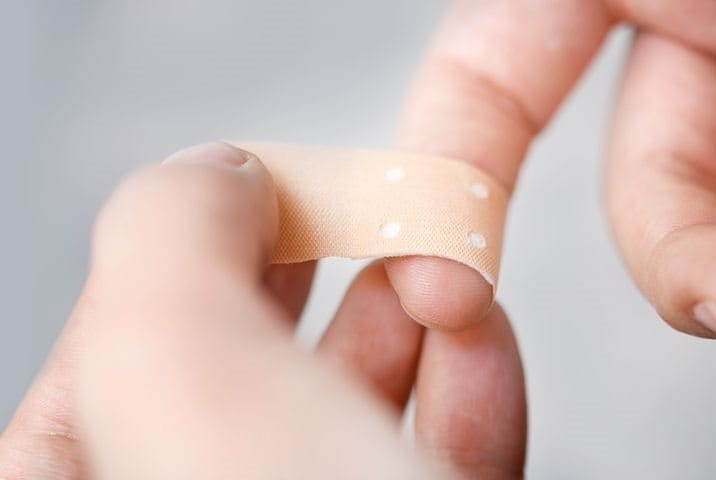
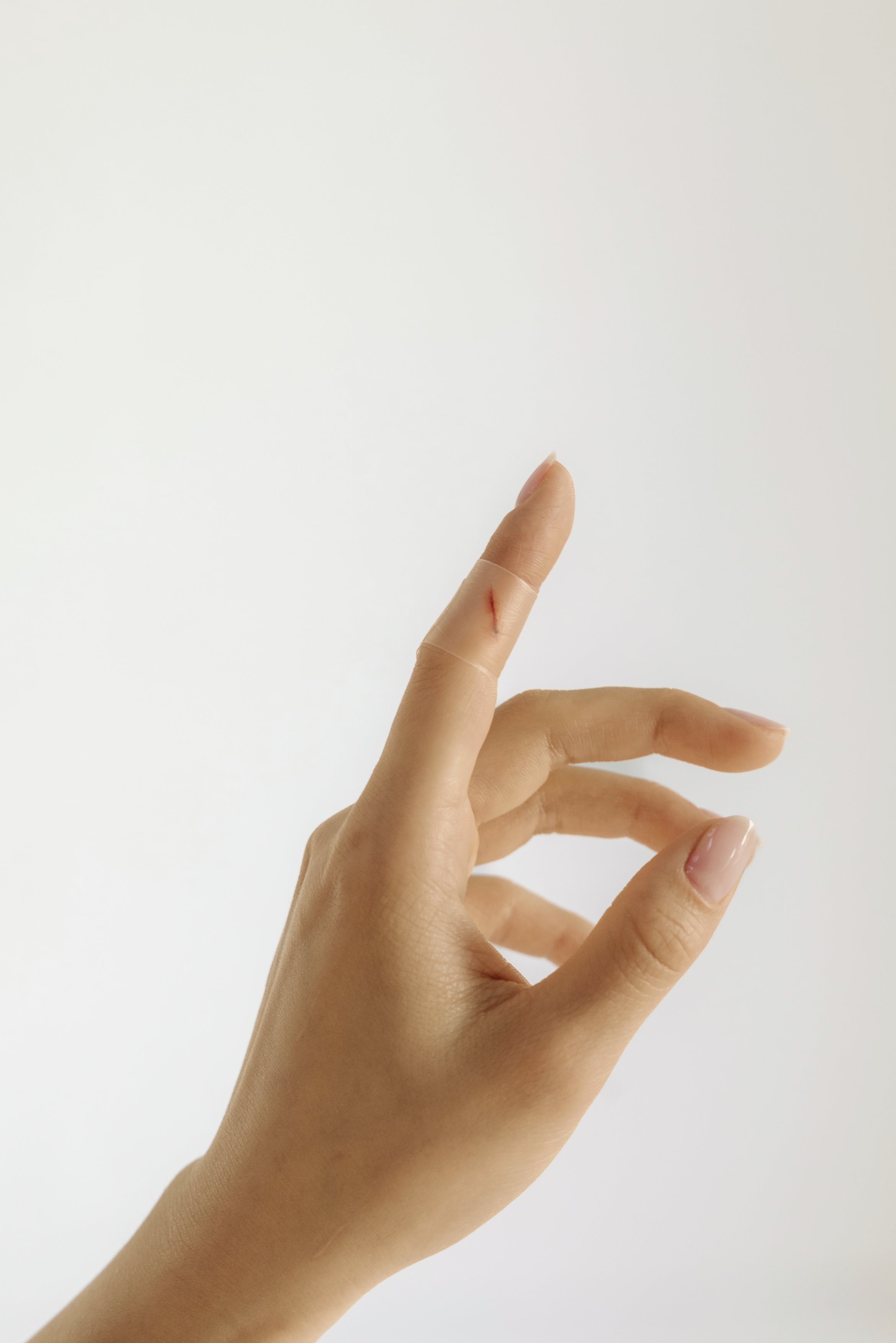
Close-up of a fingertip with a small cut, showing a minor surface injury that can be treated at home.
A small finger cut can heal quickly with the right care

A finger cut happens when the skin is broken by a sharp or rough object. They can be very small surface injuries or deeper wounds that affect the tissue beneath the skin. 

  • Minor finger cuts: Only the top layer of skin is affected, and they usually heal within a few days.
  • Deeper finger cuts: Extend into the tissue below the skin and may require extra care or professional attention3.

Understanding the type of cut helps you decide on the best care and ensures your finger heals safely and comfortably.

What causes cuts on fingers?

Finger cuts happen to everyone at some point, often during everyday activities. Common causes include: 

  • Kitchen mishaps: Slicing or chopping can lead to a finger cut, especially if knives are dull or hands slip. 
  • Using sharp tools or objects: Scissors, saws, or craft tools can accidentally nick the skin.
  • Broken glass or falls: Contact with hard surfaces may cause deeper cuts.
  • Paper or cardboard edges: ‘Paper cuts’ are surprisingly common, especially at home, school, or the office3.

Because fingers have lots of blood vessels, even small cuts can bleed more than you expect and feel uncomfortable. Cuts from dirty or contaminated objects carry a higher risk of infection, so prompt care is important4.

Even everyday activities can lead to a finger cut, but knowing the common causes helps you care for them quickly and safely.

What to do when you cut your finger

Prompt first aid helps your finger heal safely and comfortably, while reducing the risk of complications. Most minor cuts can be cared for at home with simple steps but knowing how to handle bleeding and when to seek help is essential. 

Immediate steps: 

  1. Wash your hands before touching the wound.
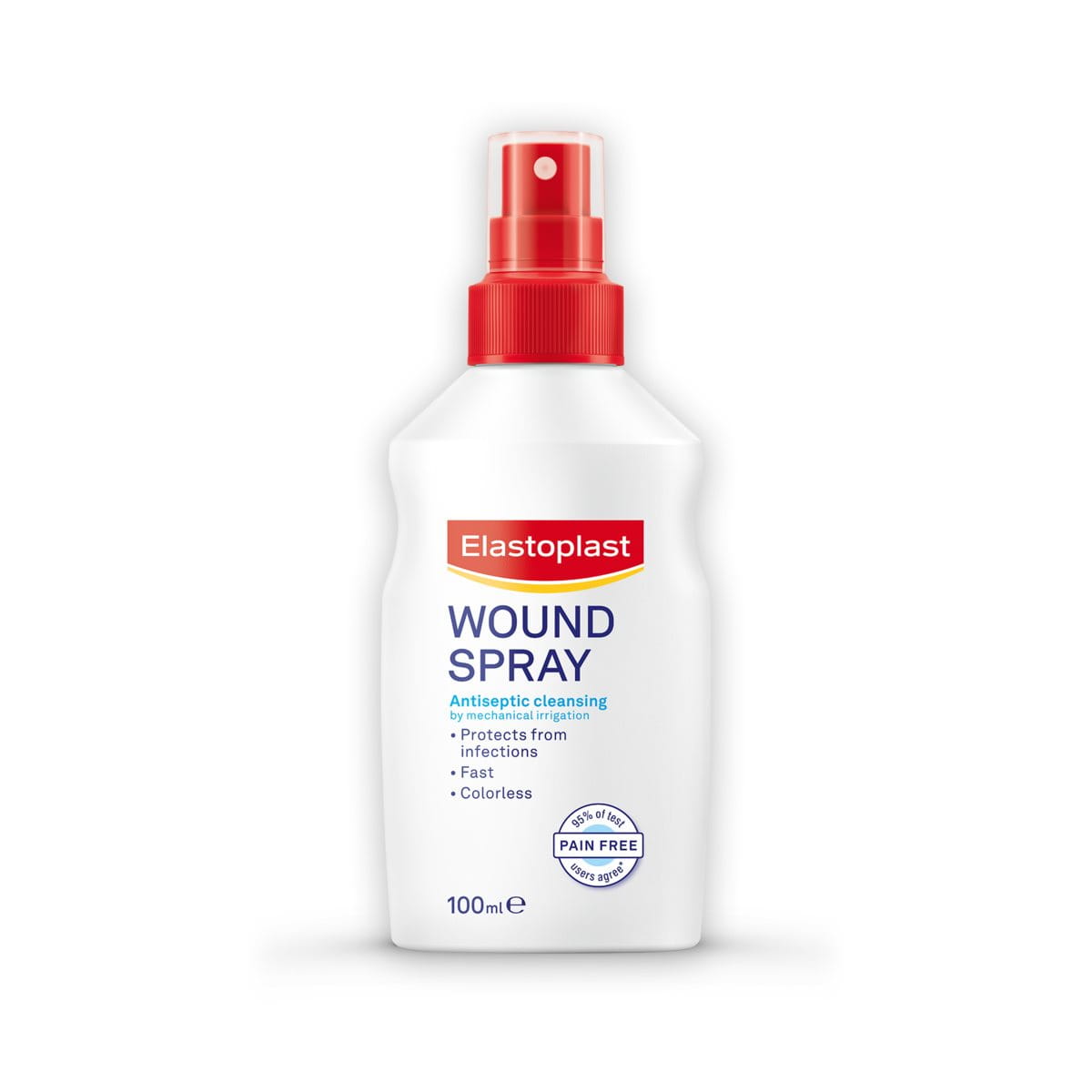
  2. Rinse the cut under clean, running water to remove dirt and debris. You can also use Elastoplast Wound Spray for gentle cleaning and extra protection against infection. 
  3. Apply gentle pressure with a clean cloth or sterile dressing to slow bleeding.
  4. Elevate the finger above heart level until the bleeding begins to subside.
  5. Cover the wound with a suitable plaster or sterile dressing to protect it5.

Stopping bleeding: 

  • Steady pressure and elevation are usually enough for most minor cuts. 
  • Minor finger cuts often stop bleeding within a few minutes.
  • If bleeding continues after 10-15 minutes despite pressure, seek medical attention.5
    Once the bleeding has stopped and the wound is protected, your finger can begin to heal comfortably. Keeping it clean and covered supports natural recovery and lowers the risk of infection

The Elastoplast wound care routine: clean, protect, heal

Following a structured wound care routine helps your finger heal safely and comfortably while reducing complications. The Elastoplast three-step Wound Care Routine guides you through thorough care after the initial first-aid steps.

Step 1. Cleanse

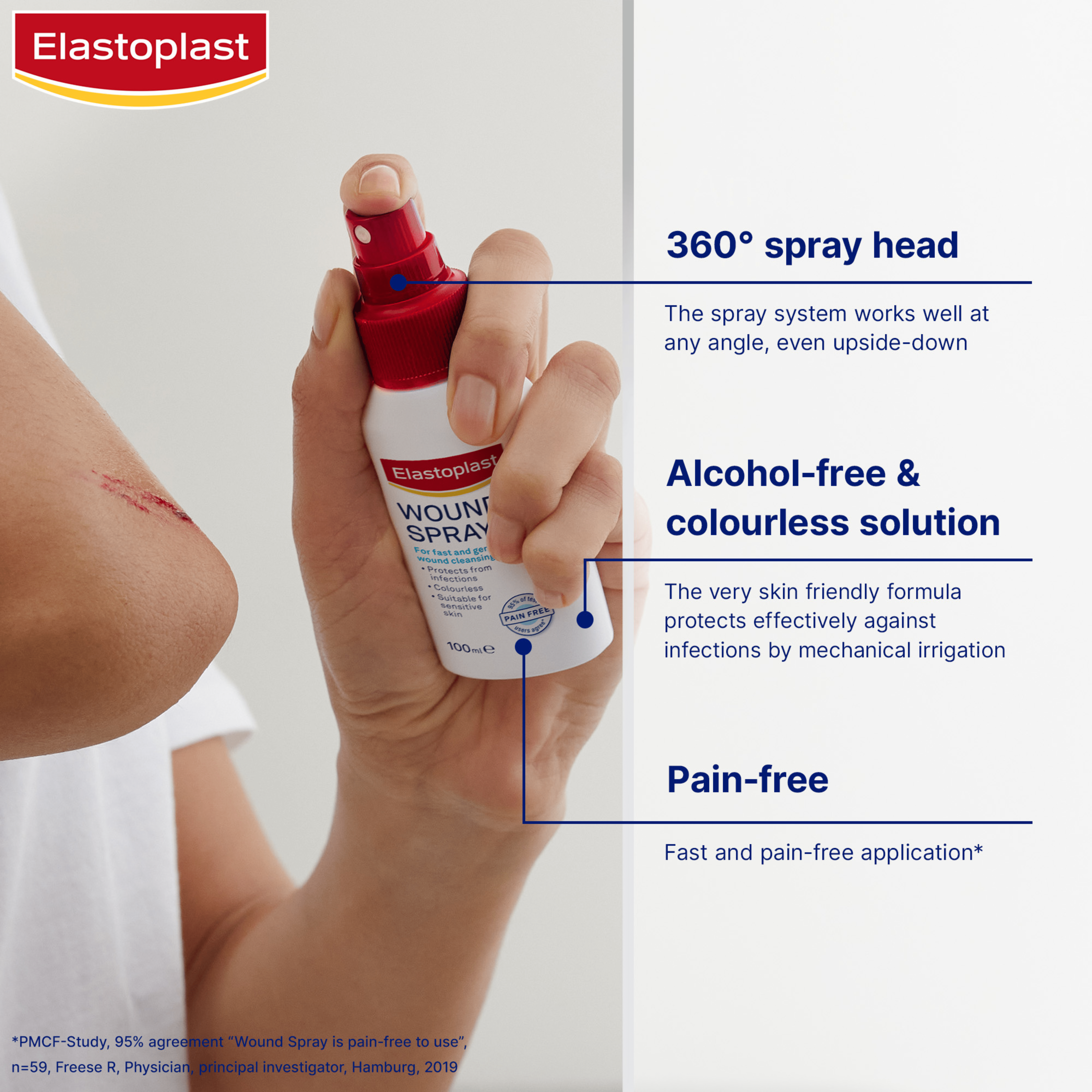
Infographic highlighting product benefits of  Elastoplast Wound Spray
Elastoplast Wound Spray is the ideal first step in healing wounds
A clean wound is the foundation of effective healing6. Gently clean the cut with Elastoplast Wound Spray to remove dirt, bacteria, and visible debris. Proper cleansing reduces infection risk and prepares the wound for protection7.

Step 2. Protect

Protecting the finger wound allows undisturbed healing and lets you continue your day with confidence. Depending on the size and location of your cut, Elastoplast offers a variety of finger products that keep the wound clean, flexible, and secure: 

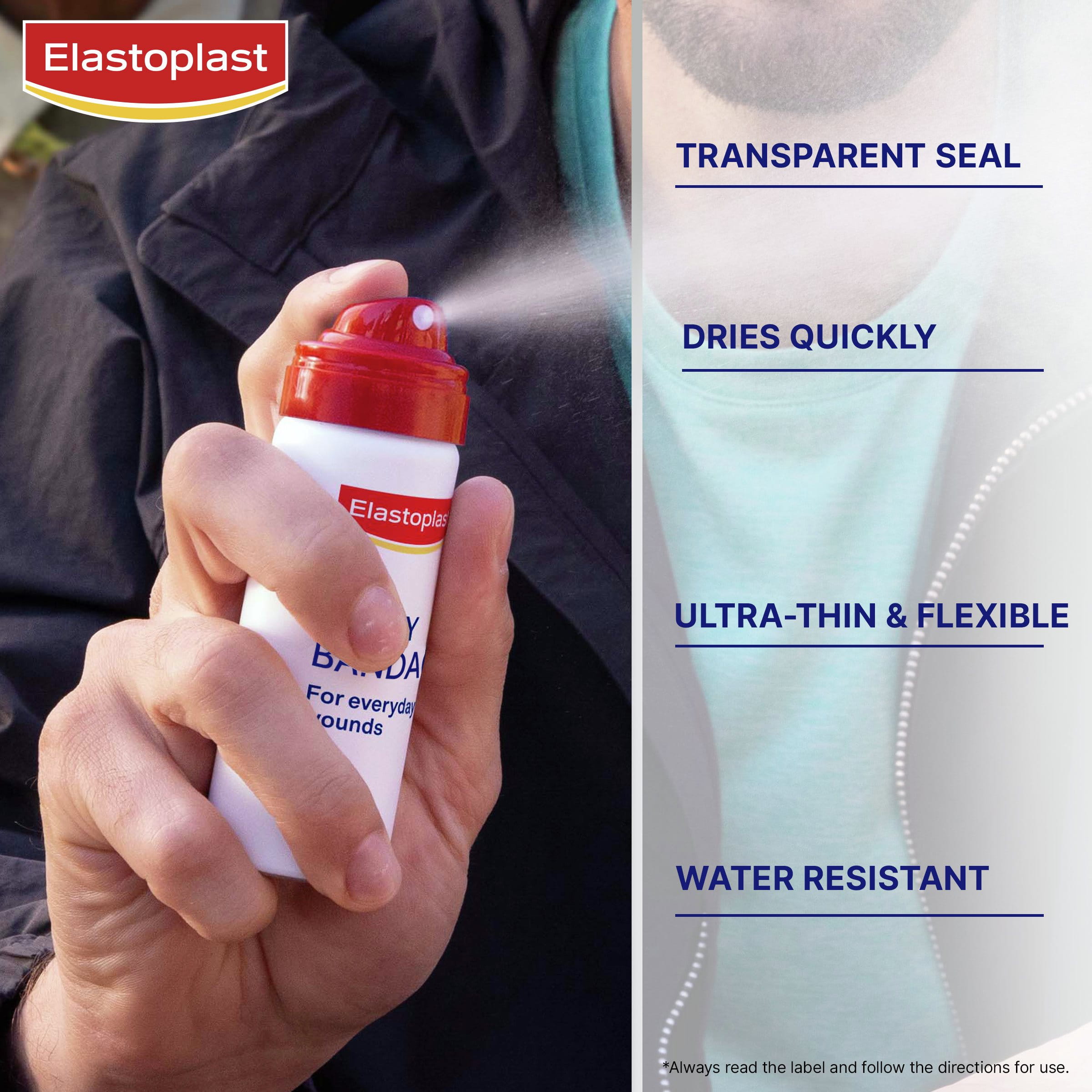
Elastoplast Second Skin Protection Spray Plaster: Ideal for small, everyday cuts, it creates an invisible, flexible seal that protects like a second skin. 

  • 100% invisible seal that dries quickly 
  • Water-resistant and flexible, feels like a second skin
  • Allows full freedom of movement  

Application: For best results when applying to finger cuts, always shake the can well before use, apply a light coating from a distance of 5-10cm, and allow the plaster to dry.

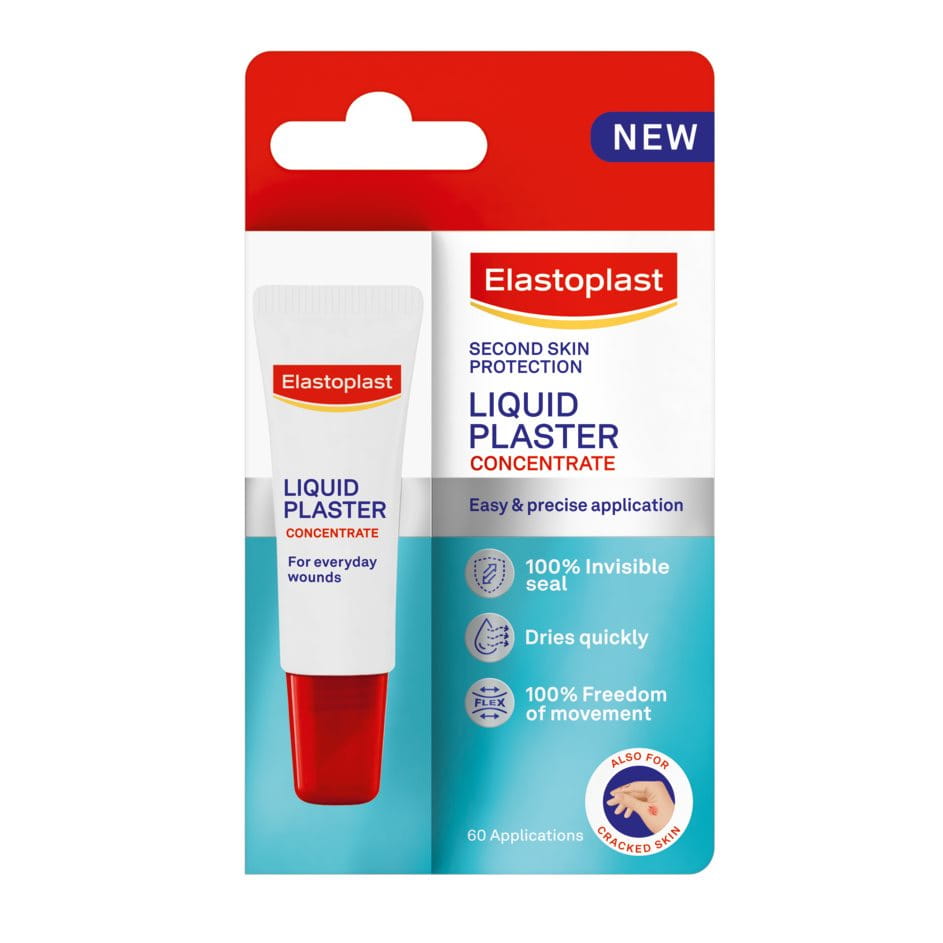
Elastoplast Second Skin Protection Liquid Plaster Concentrate: This is ideal for fingertip injuries or small cuts. 

  • Ultra-thin, invisible, precise application for hard-to-cover cuts 
  • Flexible and water-resistant
  • Provides reliable protection while you go about daily tasks 

Application: For best results, apply a sufficient amount to cover the finger cut with a thin layer, using the tube applicator to spread the product. Once applied, remove any residual product from the tube applicator and allow to dry, repeating the process if necessary.

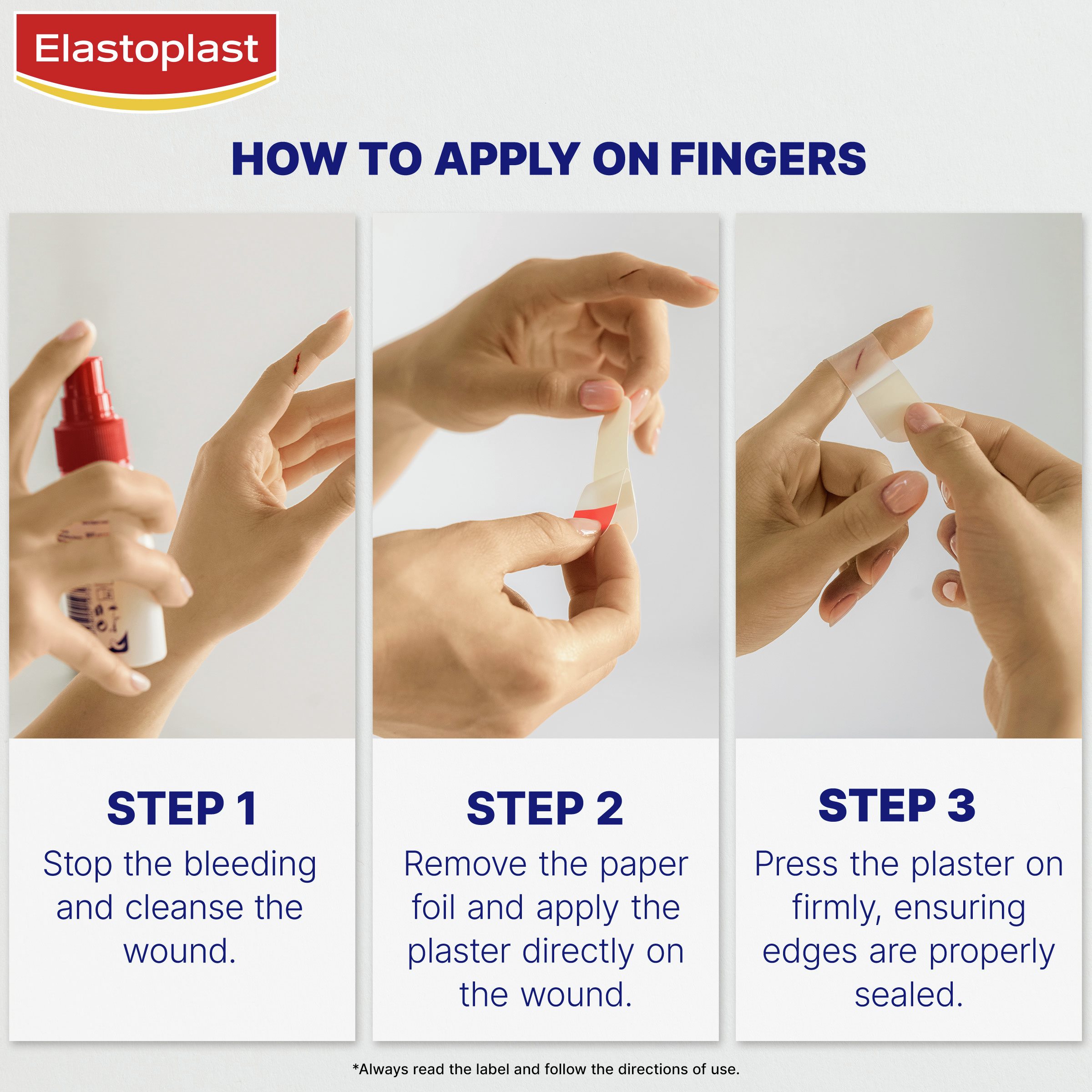
Infographic showing how to apply Elastoplast Hydrocolloid Plasters S
Elastoplast Second Skin Hydrocolloid Plasters S are easy to use and help care for wounds

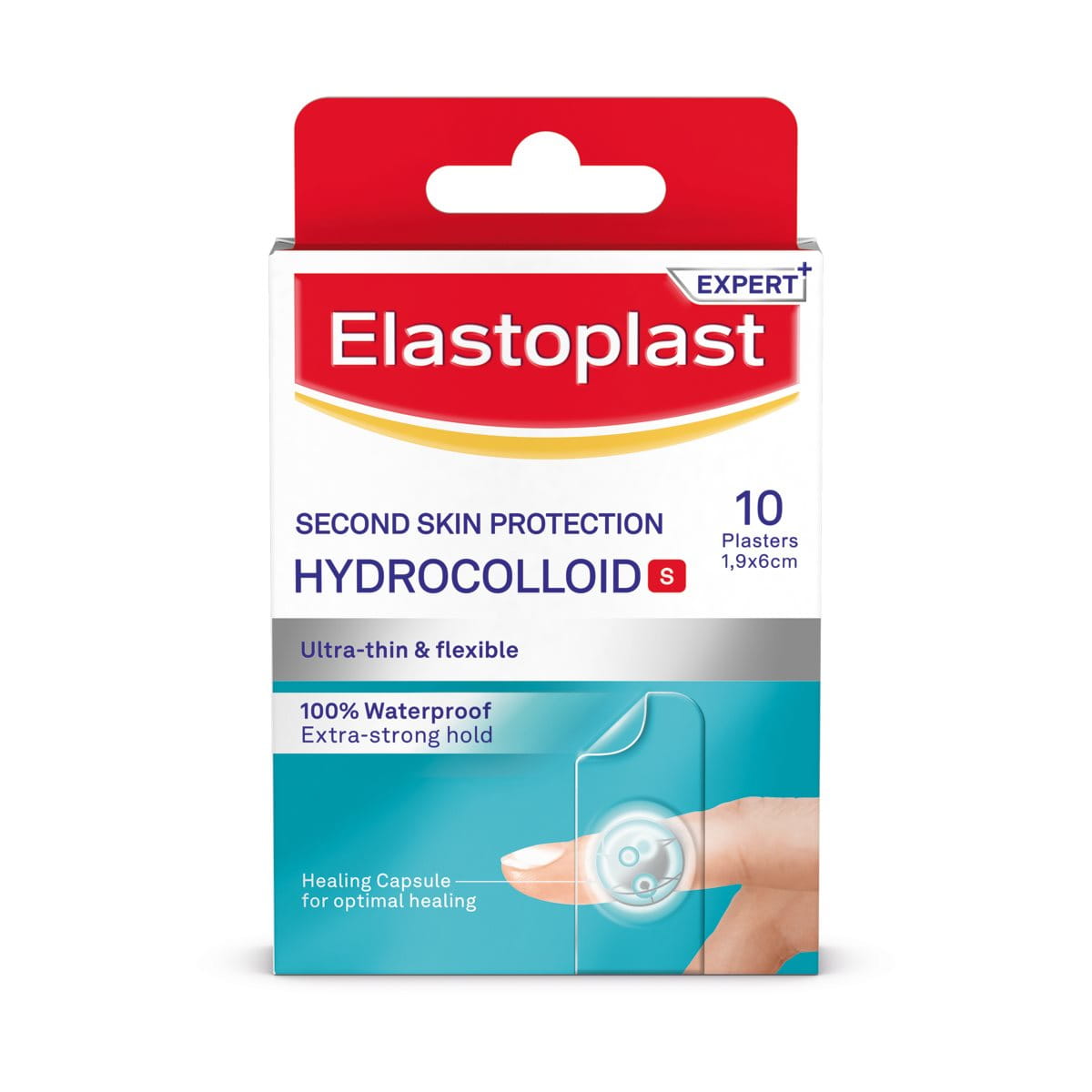
For slightly larger or deeper finger cuts, use the Elastoplast Second Skin Hydrocolloid Plasters S

  • Extra-strong adhesion with the entire plaster acting as a protective wound pad
  • 100% waterproof yet breathable, supporting faster, more comfortable healing

Step 3. Heal

Once the wound is clean and protected, it can begin its natural repair process. Maintaining a secure and flexible cover helps your finger heal undisturbed, supporting comfortable recovery while reducing the risk of infection or irritation8. Choosing the right Elastoplast product ensures your cut stays protected as you get back to everyday activities.

Deep finger cuts: when to seek medical attention

Some finger cuts go deeper than they first appear and need professional care to heal safely. Even if a cut looks minor at first, hidden damage can affect movement, nerves, or blood vessels. Getting it checked promptly helps prevent infection, reduce complications, and support optimal healing.
Seek medical attention if:

  • The wound may need stitches
  • Bleeding will not stop with pressure and elevation
  • The cut was caused by a bite or a contaminated object
  • You notice loss of movement, numbness, or persistent pain9

Knowing the right steps to take and when to see a healthcare professional gives peace of mind while protecting your finger’s long-term function.

How to tell if a finger cut is serious or infected

Even minor cuts can become infected if bacteria enter broken skin. Early recognition of infection helps you get prompt care, reducing discomfort and supporting safe, comfortable healing. 

Watch for these signs of infection: 

  • Increasing redness around the wound
  • Swelling that worsens after 48 hours 
  • Warmth and tenderness
  • Pus or discharge
  • Red streaks extending from the cut
  • Worsening pain or throbbing10

Mild swelling and throbbing are normal during the early stages of healing. If symptoms intensify or don’t improve, seek medical advice promptly to prevent complications and ensure your finger recovers safely11.

Early signs of infection include redness, swelling, warmth, pus, or throbbing pain. Seeking prompt care will ensure your finger heals safely and comfortably.

How long do cuts on fingers take to heal?

Healing time depends on the depth of the cut and how carefully it is cared for. With proper cleaning and protection, most finger cuts heal safely and comfortably. 

  • Minor cuts: Usually heal within 2-3 days 
  • Moderate cuts: Often improve within 1-2 weeks
  • Deep wounds: May take 2-4 weeks to heal fully9

Following simple first-aid steps, keeping the wound clean, and protecting it with a suitable plaster or dressing helps your finger recover naturally and reduces the risk of complications10.

How to prevent finger injuries

Many finger cuts can be avoided with simple, everyday precautions. Being mindful of common hazards and taking small safety steps can make cooking, DIY projects, and craft activities much safer.

  • Use sharp knives and stable chopping boards: Dull blades or unstable surfaces increase the risk of slips.
  • Keep fingers curled inward when chopping: This simple technique protects fingertips from accidental cuts.
  • Avoid distractions while handling sharp tools: Focused attention reduces the chance of accidents.
  • Store blades safely: Keep knives, scissors, and craft tools out of reach of children and in secure places.
  • Wear protective gloves for high-risk tasks: Gloves provide an extra layer of protection when handling sharp objects or performing manual work.12 

Following these steps helps reduce the likelihood of finger cuts and allows you to enjoy everyday activities with confidence and peace of mind.

Summary: key takeaways for safe healing

A cut finger is a common injury that often heals safely at home with prompt care. Keeping the wound clean, controlling bleeding, and protecting it with a suitable plaster helps your finger recover comfortably and reduces the risk of infection
For deeper cuts, persistent bleeding, or signs of infection, it’s important to seek medical advice. Following the Elastoplast Clean, Protect, Heal routine provides a simple, structured approach that supports safe healing while letting you continue everyday activities

FAQs: Finger Cuts (6)

Always consult a doctor if the wound is deep, bleeding heavily, or caused by a bite or contaminated object. Also seek medical attention if you notice signs of infection, such as redness, swelling, pain, or warmth, or if you are unable to clean the wound properly or if there are foreign objects in it.
Please note that, although the advice on this website has been compiled with care, it is not a substitute for professional medical guidance. It is not intended for self-diagnosis or treatment. Always read and follow the instructions or leaflets provided with our products.
For further information about our products, please contact us via email at ConsumerRelationsUK@Beiersdorf.com

Sources

  1. Sandler, A. B.; Scanaliato, J. P.; Raiciulescu, S.; Nesti, L. J.; Dunn, J. C. The Epidemiology of Hand and Finger Lacerations in United States Emergency Departments. The Journal of Emergency Medicine 2022. https://www.sciencedirect.com/science/article/abs/pii/S0736467921010659
  2. Dastagir, N.; Obed, D.; Bucher, F.; Murad, S.; Dastagir, K.; Vogt, P. M. Blood Vessel Injuries of the Fingers: A Clinical Comparison of One- and Two-Arterial Blood Supply. Journal of Clinical Medicine 2023, 12 (18), 5889. https://doi.org/10.3390/jcm12185889
  3. Kahn, A. Cuts and Puncture Wounds: Causes, Complications, and Prevention. Healthline. https://www.healthline.com/health/cuts-and-puncture-wounds
  4. Leonard , J. Infected wound: Recognition, treatment, and when to see a doctor. www.medicalnewstoday.com. https://www.medicalnewstoday.com/articles/325040
  5. How to Stop a Bleeding Finger: Step-by-Step Instructions. Healthline. https://www.healthline.com/health/how-to-stop-bleeding-finger.
  6. The Royal Children's Hospital Melbourne. Clinical Practice Guidelines : Wound dressings - acute traumatic wounds. www.rch.org.au. https://www.rch.org.au/clinicalguide/guideline_index/Wound_dressings_acute_traumatic_wounds/
  7. Lewis, K.; Pay, J. L. Wound Irrigation. PubMed. https://www.ncbi.nlm.nih.gov/books/NBK538522/
  8. Wound healing. Wound dressings | DermNet NZ. dermnetnz.org. https://dermnetnz.org/cme/wound-healing/wound-dressings
  9. Cut Finger: First Aid Treatment, Aftercare, and Recovery Timeline. Healthline. https://www.healthline.com/health/cut-finger
  10. NHS. Cuts and grazes. NHS. https://www.nhs.uk/conditions/cuts-and-grazes/
  11. Iftikhar, N. What to Expect During the 4 Stages of Wound Healing. Healthline. https://www.healthline.com/health/skin/stages-of-wound-healing.
  12. Hand Injury Prevention - John Erickson, MD. John Erickson, MD. https://www.johnericksonmd.com/patient-information/hand-injury-prevention/.

Related Articles