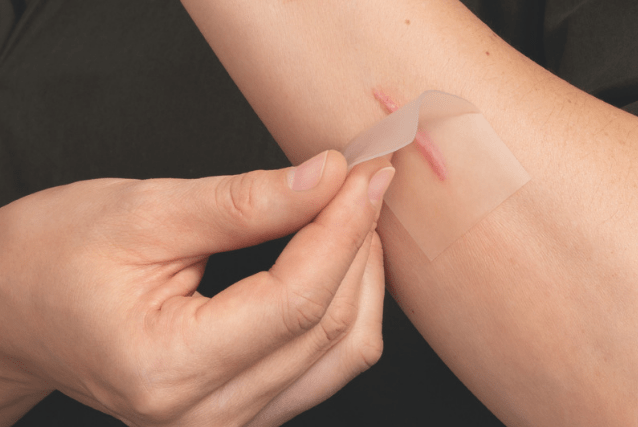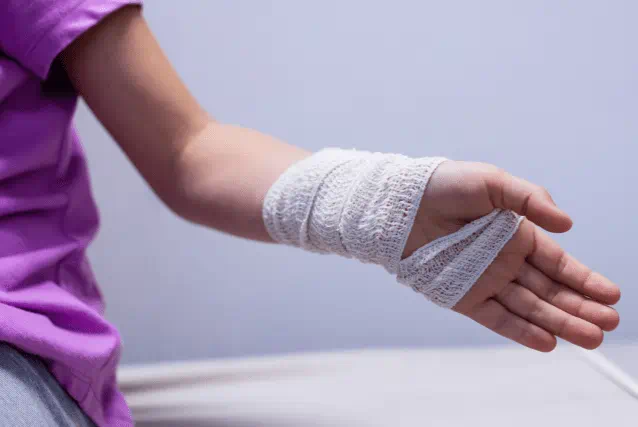
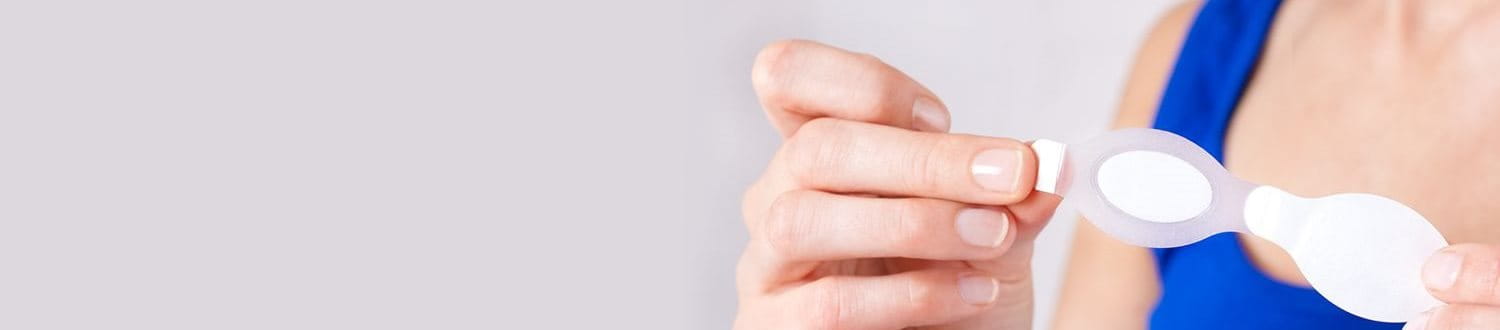
A person applying a plaster for moist wound healing

How to Heal Wounds Faster with Moist Wound Healing

Show More

Last Reviewed: May, 2026

From everyday cuts and grazes to minor scrapes, wounds are a common part of daily life. While the body naturally begins repairing the skin immediately, the environment a wound heals in can influence comfort, protection and overall recovery.

Modern wound care research shows1 that covered, slightly moist conditions can help support a more stable healing environment compared with leaving a wound open and exposed. The Elastoplast wound care range includes solutions designed to help maintain these conditions while providing everyday wound protection.
What is moist wound healing?

Moist wound healing is a method of wound care that involves keeping a wound covered and slightly moist. This helps create a stable environment that supports the skin’s natural repair process2.

It is used in modern wound care to help maintain protection over the wound while supporting optimal healing conditions.

Is moist wound healing better than dry wound healing?

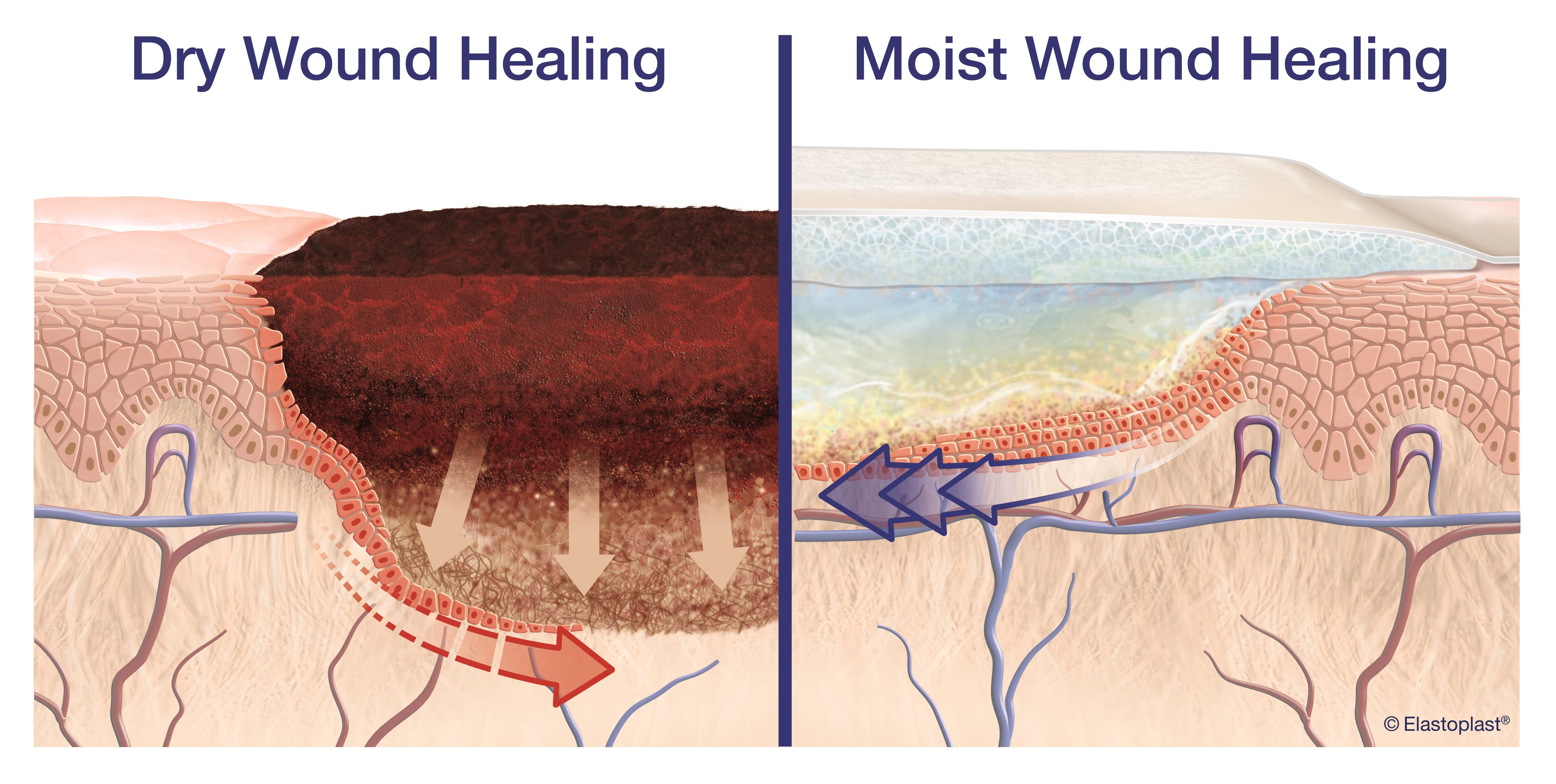
Diagram showing the difference between moist wound healing and dry wound healing.
Moist wound healing allows skin to renew faster

In everyday minor wounds, covering the area generally provides better protection than leaving it exposed. A covered wound is shielded from dirt, friction and bacteria, and is less likely to dry out or form a scab that might slow repair or increase the risk of cracking or reopening2.

Keeping the wound in a slightly moist environment, such as with a hydrocolloid plaster, helps maintain stable conditions for the skin during the healing process. It also helps protect the wound from external irritants while supporting a covered healing environment.

A covered, slightly moist wound environment can help support the skin during the healing process while protecting the wound from external irritants.

Benefits of moist wound healing

Moist wound healing is widely used in modern wound care because it supports several important aspects of recovery.

It can support:

  • More comfortable wound care during dressing changes.
  • Protection of the wound and surrounding skin from further irritation.
  • A more consistent healing environment when the wound is properly covered.
  • Reduced formation of hard, dry scabs.
  • Smoother recovery of the skin surface over time.

Why is moist wound healing better than letting scabs form?

When a wound dries out, a scab forms as part of the body’s natural protective response. This creates a dry barrier over the wound surface. In this condition, new skin cells can move less easily across the area, which may slow the repair process. A slightly moist environment supports a more continuous healing process by reducing the formation of this dry barrier3.

Common misconceptions about wound care include:

  • Wounds heal faster when left open to “air out”.
    In reality, covered wounds are generally better protected from dirt and friction.
  • Scabs always indicate the best healing outcome.
    Scabs are a natural response, not a sign of optimal repair.
  • Moist environments increase infection risk.
    When properly cleaned and covered, wounds are typically better protected from external contamination.

How to heal wounds faster with moist wound healing at home

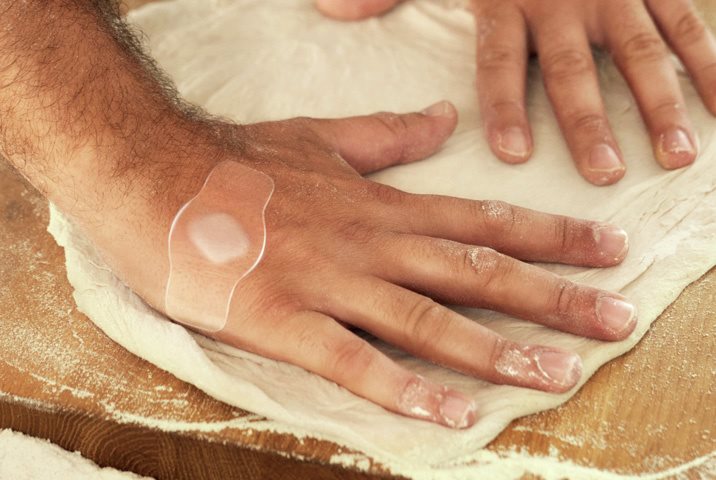
Person kneading dough with a hydrocolloid plaster on their hand.
Second Skin Protection Hydrocolloid Plasters protect wounds from bacteria and water, allowing you to continue with your activities uninterrupted.

One way to support wound healing at home is to keep the wound clean, covered and protected in a slightly moist environment. This helps maintain stable conditions over the wound surface while reducing exposure to everyday friction, dirt and external irritants.

Elastoplast Second Skin Protection Hydrocolloid Plasters are designed to support this approach. The hydrocolloid technology absorbs wound fluid and forms a soft gel, while the flexible, waterproof design helps protect the wound and maintain a moist healing environment.

For best results, the dressing should be changed when needed and the wound should be left undisturbed as much as possible. Avoid picking at scabs, as this can disrupt the skin’s natural healing process2.

Several everyday factors can also influence how a wound progresses over time, including movement or friction over the area, hydration and nutrition, age, and whether the wound is repeatedly disturbed or re-opened.

Consistent wound care at home, including keeping the wound clean, covered and slightly moist, helps support faster and more comfortable healing.

How long does moist wound healing take?

Healing time depends on the type, depth, and location of the wound. Minor cuts and grazes may begin to close within a few days, while deeper or more complex wounds can take longer to fully heal4.

Moist wound healing supports a stable, covered environment that helps reduce repeated drying and disruption of the wound surface, which can support more consistent conditions for the skin’s natural repair process1. Areas of the body that experience frequent movement or friction, such as fingers or knees, may still take longer to heal due to ongoing mechanical stress, even when a moist wound healing approach is used.

Factors that affect moist wound healing speed

Several factors can influence how a wound progresses over time, including:

  • Repeated movement or friction over the wound area.
  • Age and natural changes in skin condition.
  • Nutritional status and hydration levels.
  • Size and depth of the wound.
  • Whether the wound is kept covered and in a stable moist healing environment2.

These factors vary from person to person and can affect how smoothly the skin repairs itself over time.

Moist wound healing stages

Moist wound healing follows the body’s natural repair process2, which occurs in four key stages:

  1. Protection: The body quickly works to close the wound and form a barrier against dirt and bacteria.
  2. Inflammation control: Immune cells clear away bacteria and damaged tissue to reduce the risk of exposure to infection.
  3. Repair: New skin cells begin to form and move across the wound surface to rebuild tissue.
  4. Remodelling: The skin gradually strengthens and restores its normal structure over time.

Keeping the wound covered and in a stable condition helps support these natural stages as they progress.

Elastoplast hydrocolloid plasters for moist wound healing

Elastoplast Second Skin Protection Hydrocolloid Plasters are designed to support moist wound healing, helping create a supportive healing environment that helps protect the wound while supporting the body’s natural repair process. By forming a secure, flexible and waterproof seal, they help protect against dirt and bacteria while maintaining the moist conditions needed for efficient skin regeneration.

Wound preparation for optimal moist healing

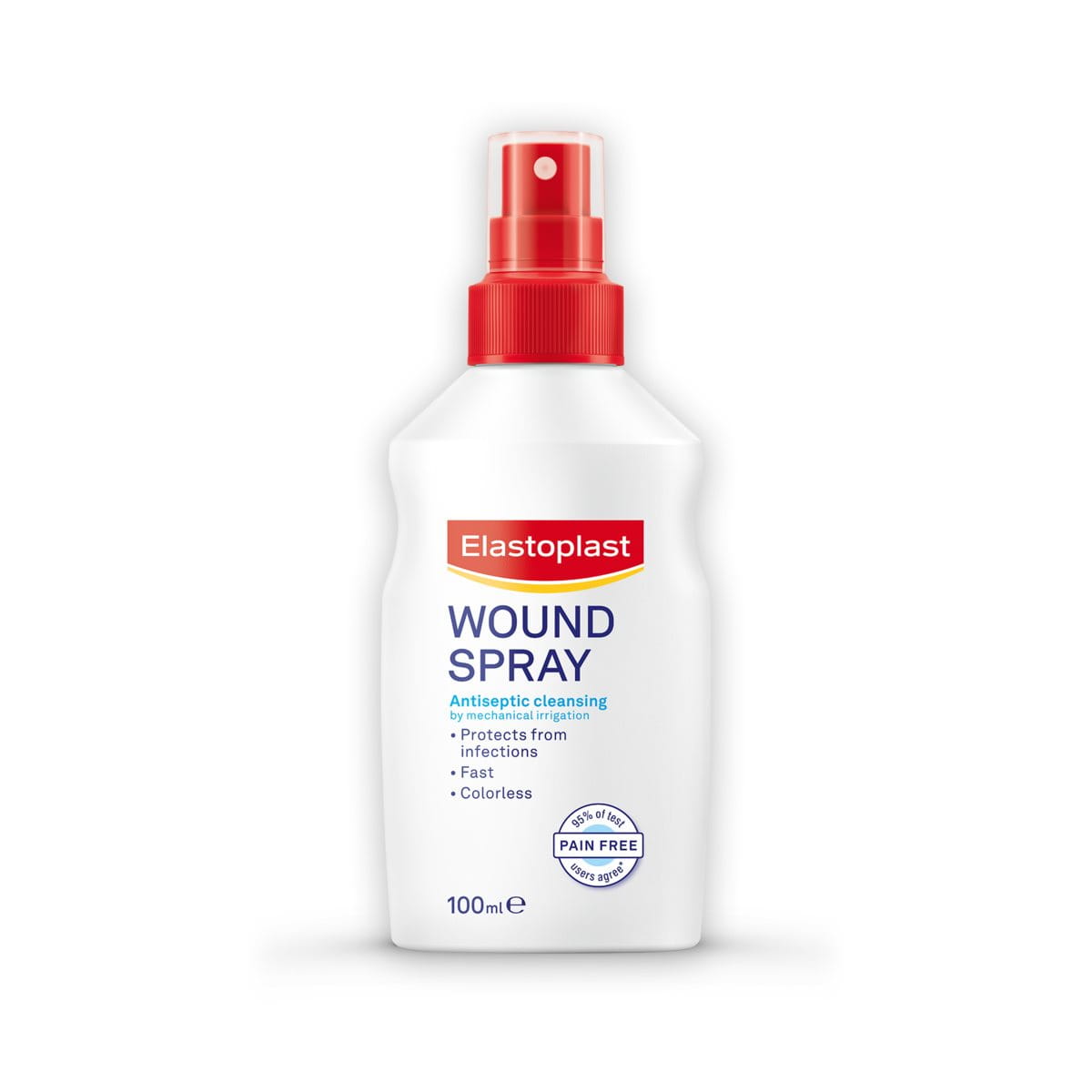
Before applying a hydrocolloid plaster, gently cleanse the wound using a wound cleansing spray such as Elastoplast Wound Spray to remove dirt and bacteria. This helps reduce the risk of infection and supports an optimal healing environment.

After spraying, gently pat the skin around the wound dry with a clean tissue or sterile gauze. Wait a few seconds to ensure the wound is not wet. Make sure the surrounding skin is dry so the hydrocolloid plaster can adhere properly and maintain effective moist wound healing conditions.

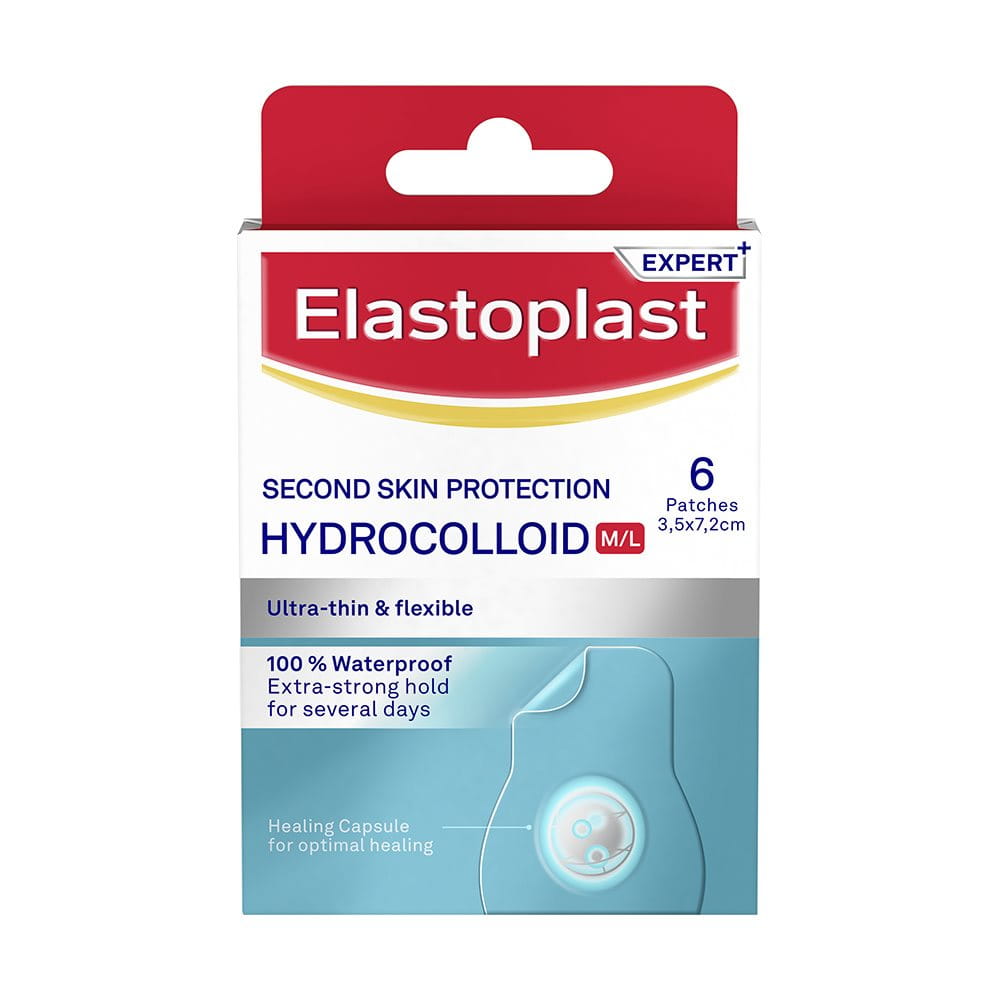
Second Skin Protection Advanced Hydrocolloid Plasters (6 pcs)

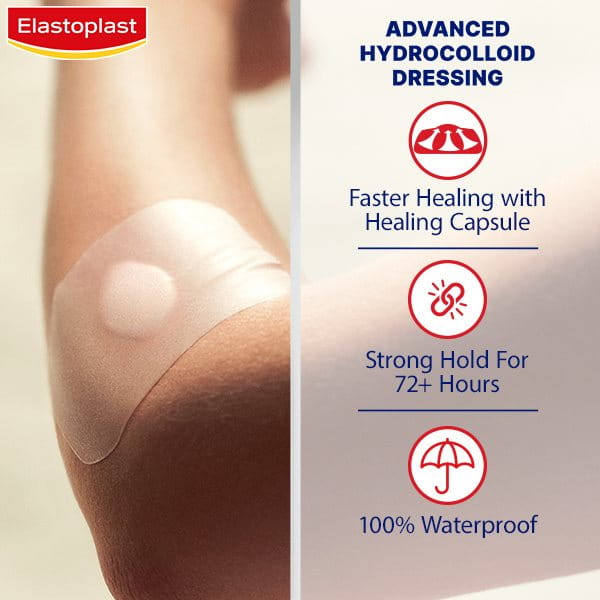
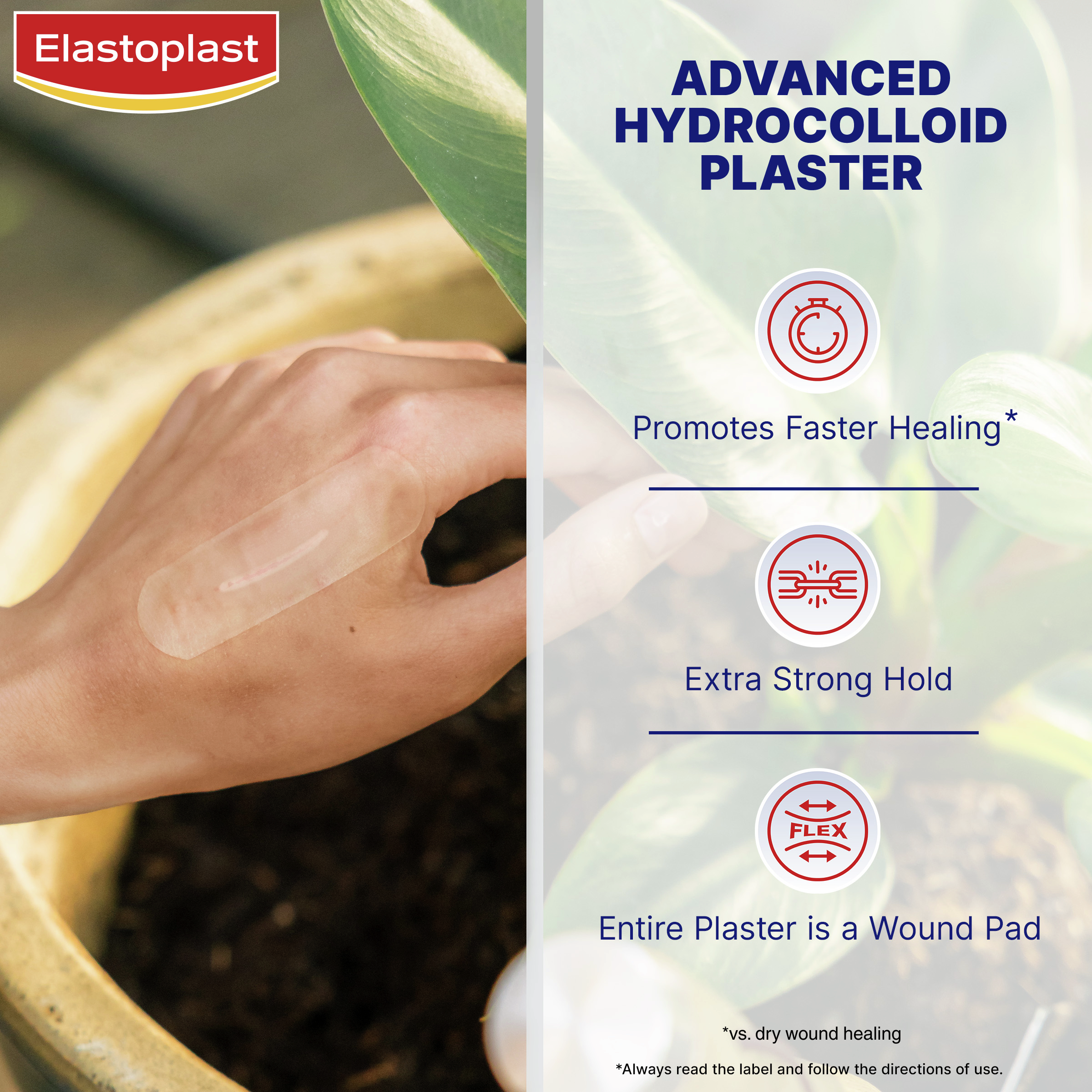
Infographic highlighting product benefits of Second Skin Hydrocolloid Plasters
Advanced hydrocolloid dressings provide faster healing through a moist environment.

Ideal for high-movement areas such as knees, elbows and fingers, these plasters support moist wound healing with strong adhesion and up to 72+ hours of secure protection. The ultra-thin, flexible design moves with the skin, helping maintain a stable healing environment during everyday activity.

The Hydrocolloid formula does speed up the healing process while minimising the risk of infection.
- Davvyko

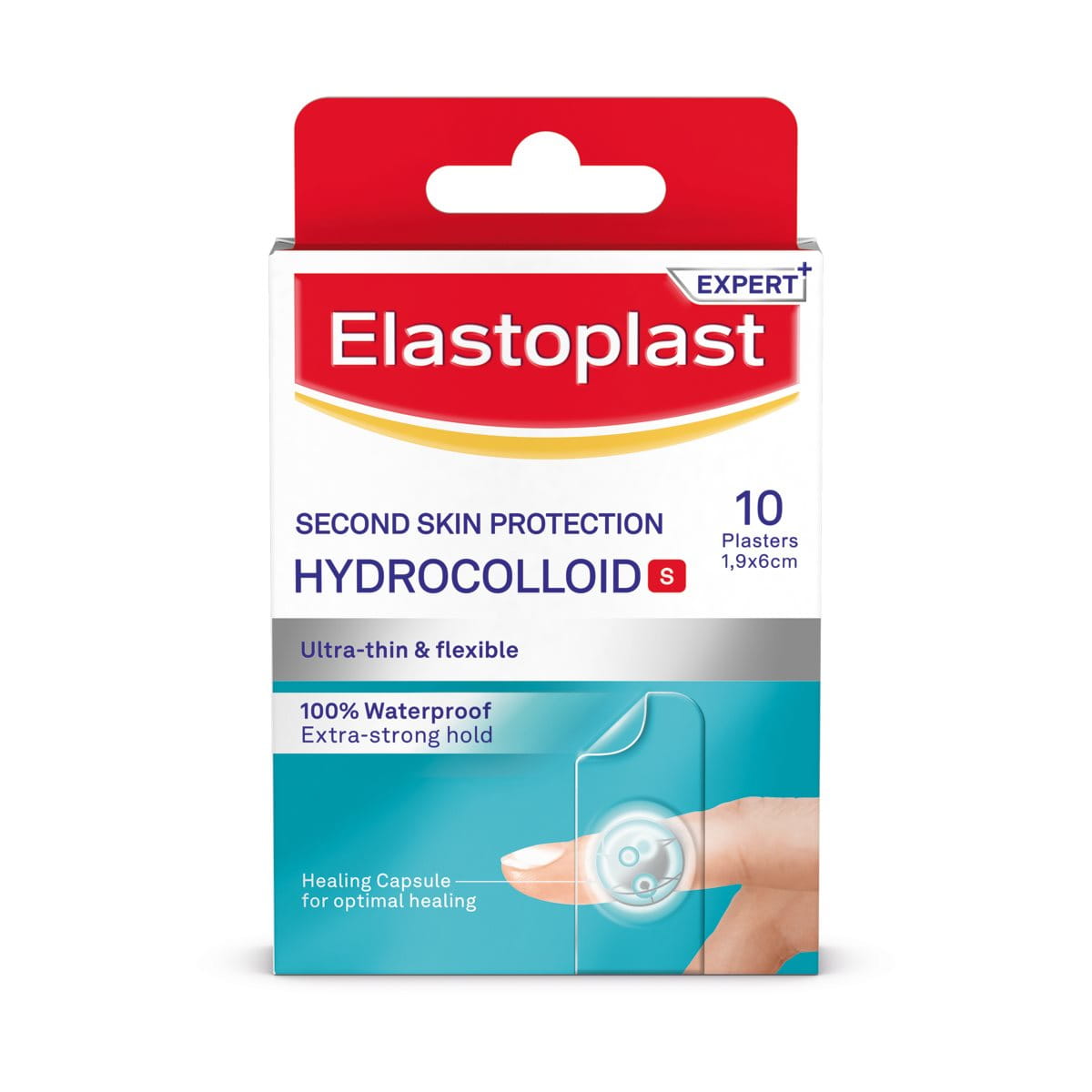
Second Skin Protection Small Hydrocolloid Plasters (10 strips)

Infographic highlighting product benefits of small Second Skin Hydrocolloid Plasters
Our small Second Skin Hydrocolloid Plasters are ideal for smaller wounds, especially on fingers

Designed for smaller cuts and grazes, especially on fingers and other delicate areas, these plasters support moist wound healing while providing discreet, flexible protection that adapts naturally to movement.

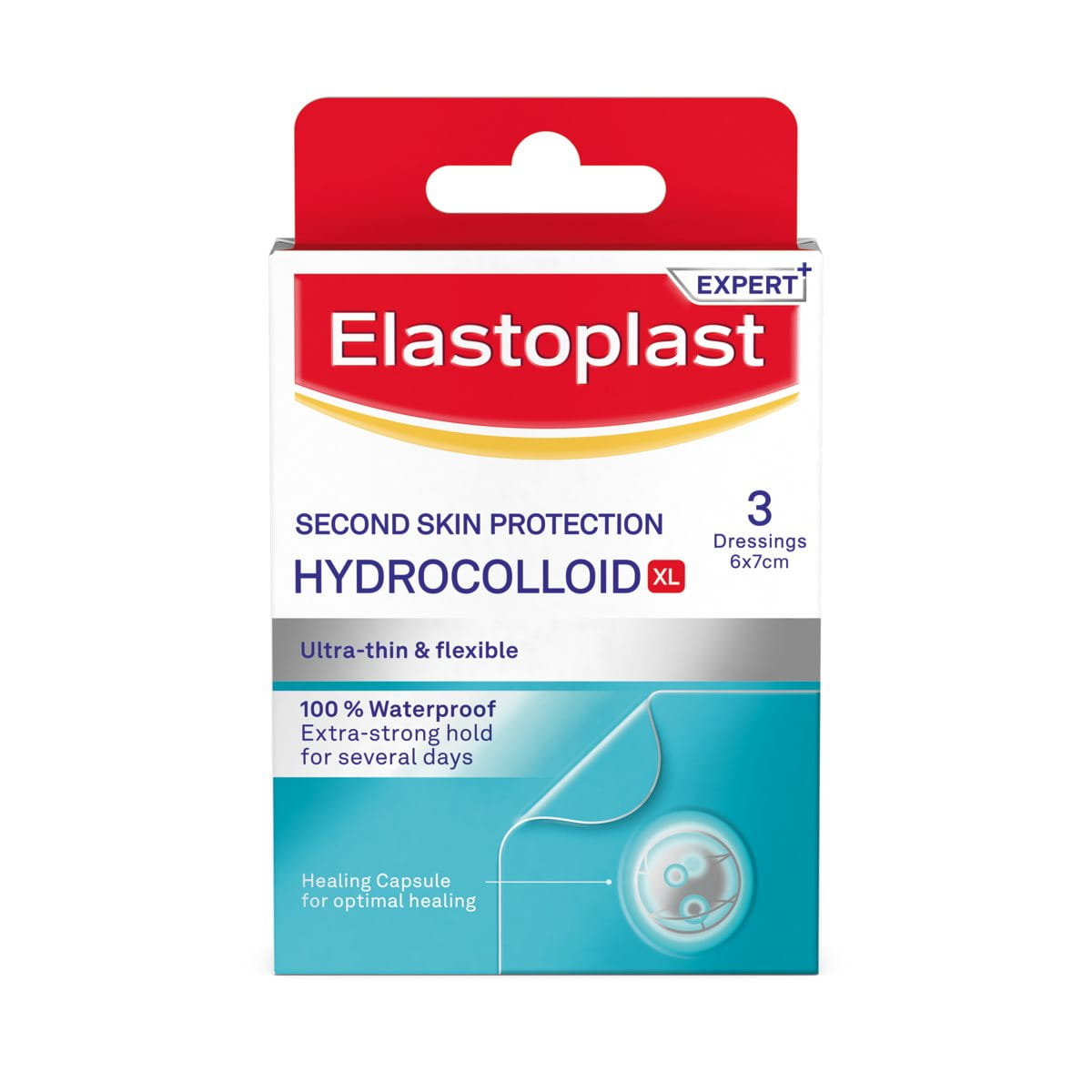
Second Skin Protection XL Hydrocolloid Plasters (3 pcs)

Provides extended coverage for larger minor wounds while still supporting a moist wound healing environment. The flexible design helps provide a secure, comfortable fit across larger areas of skin, helping protect the wound while it heals.

How to manage weeping and slow healing wounds

Some wounds may release fluid during the healing process, known as exudate. This can be clear or sometimes pus-like, and is a normal part of healing in many cases. However, excessive wound fluid may also be a sign of infection and should be monitored5.

While this fluid supports the healing process, too much of it can damage surrounding skin and slow recovery. Moist wound dressings are designed to manage this by absorbing excess fluid while maintaining a balanced moist environment. This helps protect the skin, reduce irritation, and support more effective healing without the wound drying out or forming hard scabs1.

When to seek medical advice

Most minor wounds heal without complications, but medical advice should be sought if:

  • Redness spreads or increases around the wound.
  • The wound becomes increasingly painful, warm, or swollen.
  • There is unusual discharge such as pus.
  • The wound is not showing signs of improvement.
  • There are signs of infection such as fever or increasing discomfort.
  • The wound is deep or bleeds heavily.

When moist wound healing may not be appropriate

Moist wound healing is suitable for many everyday minor wounds, but it is not appropriate in all situations[6]. Professional medical assessment may be required for:

  • Deep or heavily bleeding wounds.
  • Wounds showing signs of infection.
  • Animal bites.
  • Severe burns.
  • Wounds requiring stitches.
  • Significant tissue damage or swelling.

If in doubt, it is always best to seek guidance from a healthcare professional.

Moist wound healing is not suitable for deep, bleeding, infected or complex wounds. Seek medical advice if you are unsure.

Moist wound healing summary and key takeaways

Moist wound healing supports the body’s natural repair process by keeping the wound protected and in a slightly moist environment. This helps prevent hard scab formation, allowing skin cells to move more efficiently and repair damaged tissue while reducing disruption during healing.

Compared to dry healing, it can support a more comfortable recovery and better protection from dirt and bacteria when the wound is properly covered. Products from the Elastoplast Second Skin Protection range can help maintain this healing environment while allowing freedom of movement. Deep, infected or worsening wounds should always be assessed by a healthcare professional.

FAQs about moist wound healing (9)

  • How to heal wounds faster naturally?

    Keeping a wound clean, protected and in a slightly moist environment supports the body’s natural healing process. Covering the wound helps maintain stable conditions for skin repair and reduces disruption from friction, dirt and bacteria.

  • Do wounds heal better with moist wound healing?

    In most minor wounds, yes. Moist wound healing supports more efficient skin repair by allowing new skin cells to move more easily across the wound surface. This can help the skin close more effectively compared to dry healing, where scabs may form and slow the process.

  • What are the clinical benefits of moist wound healing?

    Moist wound healing supports several key aspects of recovery, including faster natural skin repair, reduced excessive scab formation, improved comfort during healing, better protection from dirt and bacteria, and smoother re-epithelialisation as the skin rebuilds itself.

  • How does moist wound healing promote re-epithelialisation?

    A moist environment helps skin cells migrate more efficiently across the wound surface, which supports re-epithelialisation. This allows new tissue to form in a more continuous and organised way compared to dry conditions, where scabs can act as a barrier.

  • What is a weeping wound?

    A weeping wound releases fluid during healing, which can be clear or sometimes thicker. This is often a normal part of the healing process, but excessive fluid or changes in appearance may indicate infection or delayed healing and should be monitored.

  • How long does a moist wound take to heal?

    Healing time depends on the size, depth and location of the wound as well as individual factors. Minor cuts and grazes may begin to close within a few days, while full healing can take up to two weeks or longer. Moist wound healing can support an optimal environment for recovery, but does not override these factors.

  • How do I keep a wound moist while healing?

    A wound can be kept in a moist healing environment by covering it with an appropriate dressing that maintains balance between moisture and protection. Hydrocolloid plasters are commonly used as they help support moist conditions while protecting the wound from external contamination.

  • Can you overuse moist wound healing?

    Moist wound healing is suitable for many minor everyday wounds when used correctly. It should not be used for deep, heavily bleeding, infected or complex wounds, which require medical assessment to ensure appropriate treatment.

  • When should I seek medical advice?

    Medical advice should be sought if there are signs of infection such as increasing redness, swelling, warmth, pus, worsening pain or if the wound is not improving. Deep wounds, animal bites and severe burns should always be assessed by a healthcare professional.

Related Articles

Citations

  1. Milne, S. D.; Seoudi, I.; Al Hamad, H.; et al. Moist Wound Healing with Commonly Available Dressings. Adv. Wound Care 2021, 10 (12), 685–698. https://pmc.ncbi.nlm.nih.gov/articles/PMC8568799/
  2. Rosi, M.; Parikh, P. P. Physiology, Wound Healing; StatPearls Publishing: Treasure Island, FL, 2025. In StatPearls; National Center for Biotechnology Information. https://www.ncbi.nlm.nih.gov/books/NBK535406/
  3. DermNet New Zealand. Normal Wound Healing. https://dermnetnz.org/cme/wound-healing/normal-wound-healing
  4. National Health Service (NHS). Cuts and Grazes. https://www.nhs.uk/conditions/cuts-and-grazes/
  5. Wounds UK. Best Practice Statement: Holistic Management of Wounds; Wounds UK: London, UK. https://wounds-uk.com/wp-content/uploads/2023/02/ab600a1fc6d7a34a5b146cbe0c7088a8.pdf
  6. National Institute for Health and Care Excellence (NICE). National Institute for Health and Care Excellence (NICE). https://www.nice.org.uk/

Always see a doctor if the wound is deep, bleeds heavily or shows signs of infection like reddening, swelling or warmth.

Please note that, although these were compiled with great care, the tips and advice given on this website by no means substitute medical advice and treatment. If you have or suspect a health problem, consult a doctor and follow medical advice regardless of what you have learned on this website.

Always read carefully and follow the instructions for use or the leaflets of our products. For further information about our products, please contact us via email at ConsumerRelationsUK@Beiersdorf.com