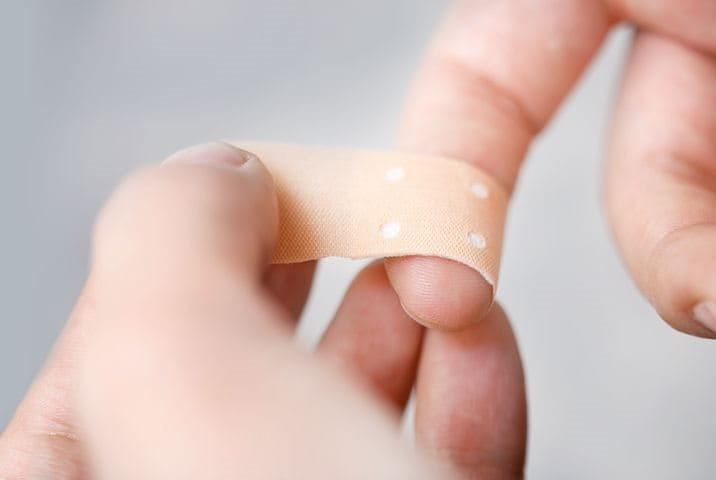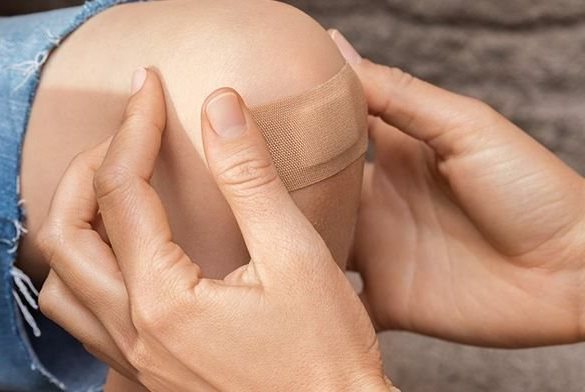
Image of a variety of plasters on a grey background

How Long Should You Leave a Plaster On?

Show More

Last Reviewed: July, 2026

Minor cuts, grazes and everyday wounds can happen at any time, whether you are cooking, gardening, playing sport or enjoying outdoor activities. Knowing how long to keep a plaster on and when to change or remove it can help keep a minor wound protected during everyday activities. This guide explains what can affect how long a plaster should stay in place and when a wound may no longer need covering.

There is no fixed amount of time to keep a plaster on. How long it should stay in place depends on the wound and the type of plaster. Change it if it becomes wet, dirty, loose or damaged.
Why should you cover a wound with a plaster?

A plaster helps create a protective barrier over minor wounds, helping shield them from dirt, bacteria and friction during everyday activities. Keeping a wound covered can also help reduce the chance of it being disturbed while the skin repairs itself1.

Covering a wound with a plaster can help:

  • Protect the area while it heals.
  • Reduce friction caused by movement and daily activities.
  • Keep the wound protected from external factors1.
  • Help protect minor wounds while the body's natural clotting process takes place.
  • Protect the wound from accidental knocks that could disturb or reopen it.

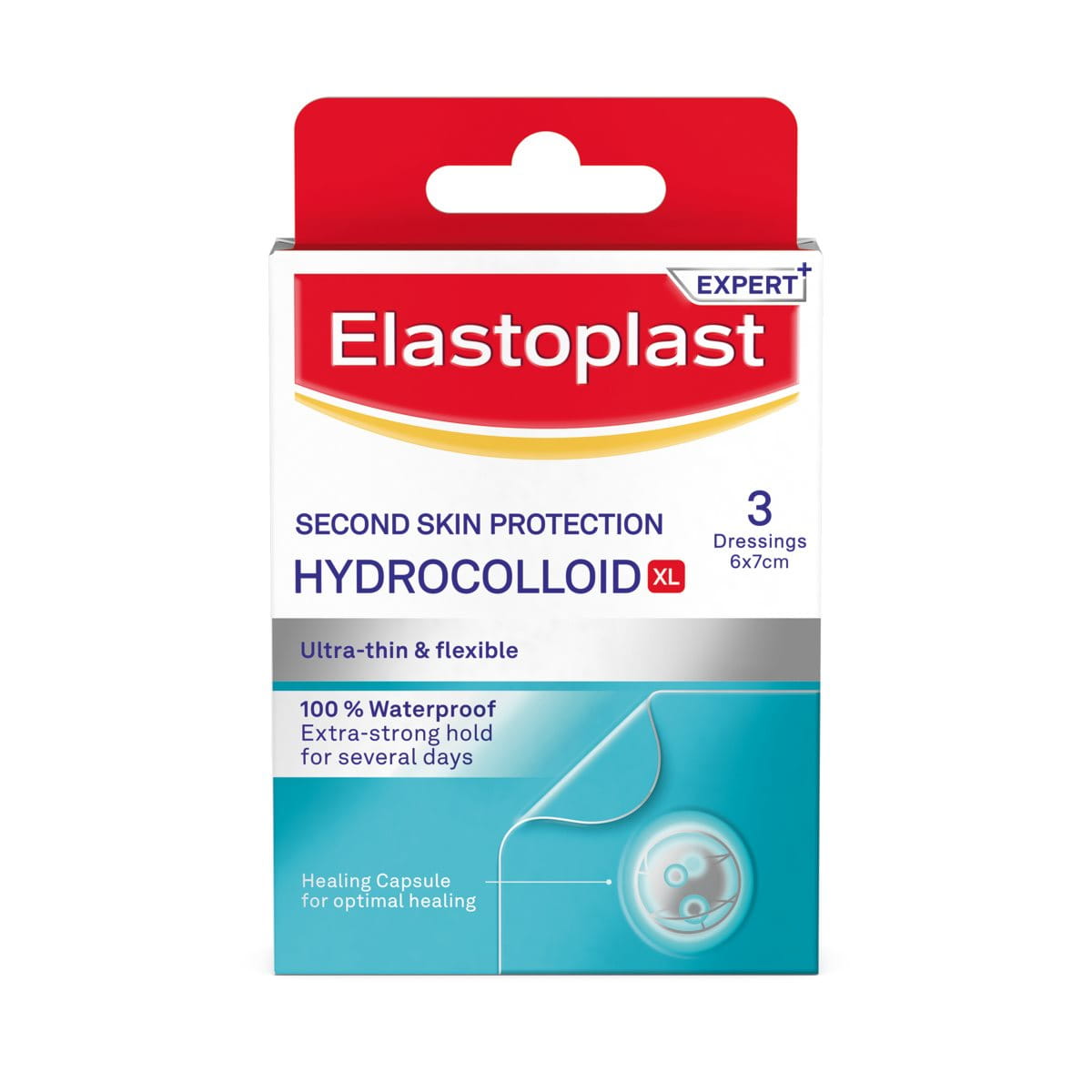
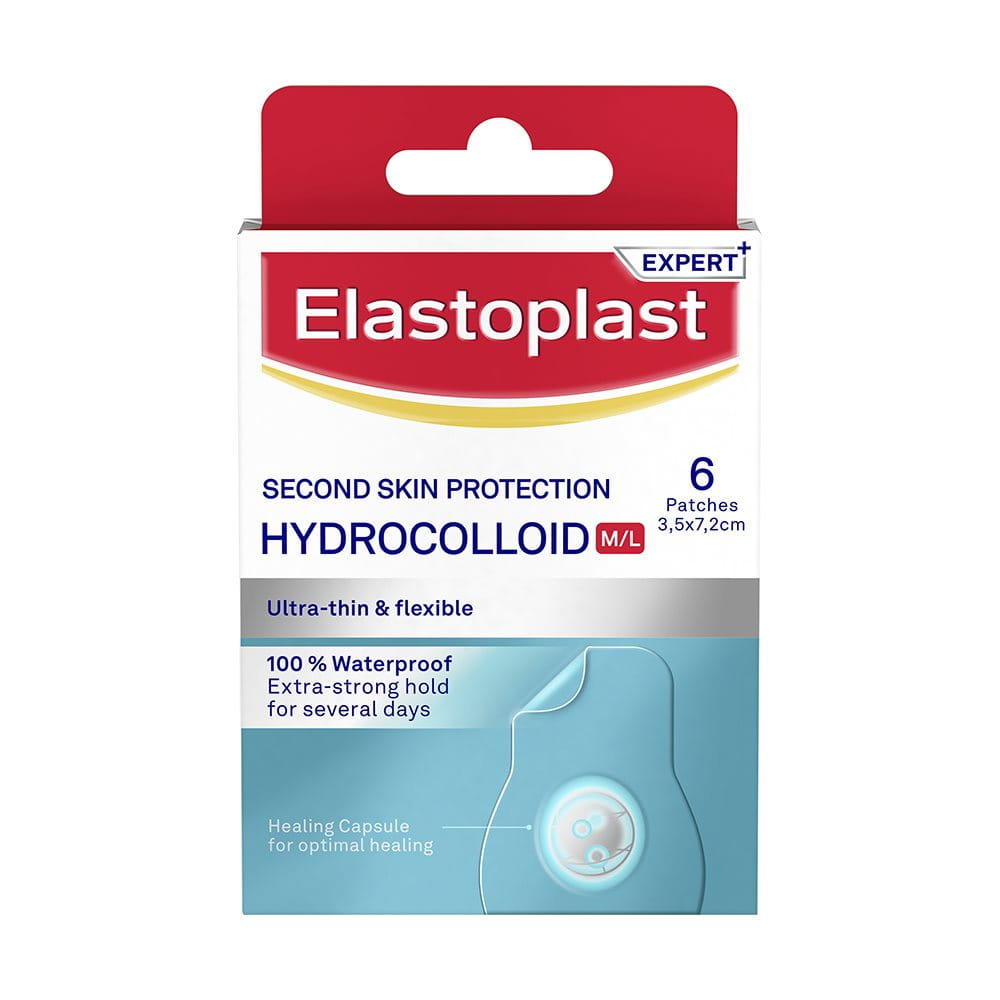
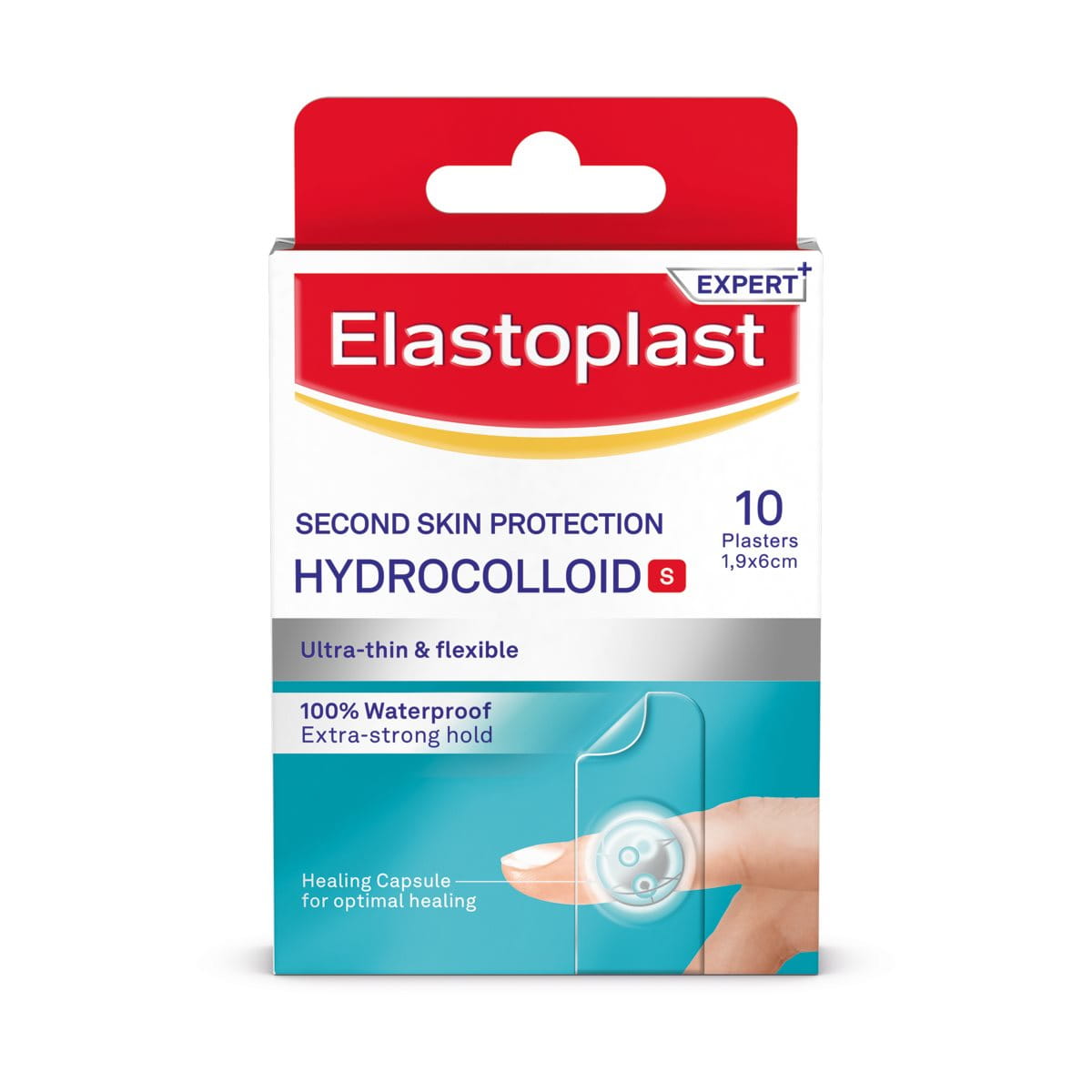
Some plasters are designed to support a moist wound healing environment, which may help support the skin's natural healing process while protecting the wound. For example, Elastoplast Hydrocolloid Wound Plasters create a moist healing environment while providing a flexible, waterproof barrier over minor wounds. Different types of plasters are designed for different needs, from everyday cuts and grazes to wounds that may benefit from longer-lasting protection.


Different wounds need different types of protection. Choosing a plaster that suits the wound and your daily activities can help keep it protected while it recovers.

How long should you leave a plaster on a wound?

A minor wound may no longer need a plaster when:

  • The skin has closed.
  • There is no bleeding or oozing.
  • The area is no longer exposed to friction, dirt or activities that could disturb it.
  • The plaster is no longer needed to protect the wound2.

However, some areas of the body may benefit from longer protection. Fingers, hands, knees and joints are used frequently and may experience movement or rubbing that could affect a healing wound3.

Tip: If you are unsure whether a wound still needs covering, continue protecting it until it has healed enough to cope with normal daily activities. If the plaster causes skin irritation or discomfort, replace it with a fresh plaster or choose one that is suitable for sensitive skin.

What factors affect how long you should keep a plaster on?

How long you need to keep a plaster on depends on the wound itself, where it is located and what you are doing while it heals. Some wounds may need protection for longer, while others may only need a plaster for a short time4.

The size and condition of the wound

The size and condition of the wound can affect how long it needs to stay covered. Small, superficial cuts, grazes and blisters may only need protection until they no longer need covering, while larger or deeper wounds may benefit from longer protection. If a wound is still open, bleeding, producing wound fluid or is easily disturbed by everyday activities, it should remain covered with a suitable plaster5.

Where the wound is located

The location of a wound can affect how long a plaster stays securely in place. Areas that experience frequent movement, rubbing or pressure may need more regular checks.

For example:

  • Fingers, hands, knees and joints move frequently, which can cause a plaster to loosen more quickly.
  • Feet and heels can experience pressure and friction from walking or footwear.
  • Areas exposed to moisture may affect how well a plaster stays in place.

Your daily activities

Everyday activities such as exercise, gardening, cooking or working with your hands can affect how well a plaster stays in place. If a plaster becomes loose, wet or damaged during activity, it should be replaced to continue protecting the wound.

How long should you leave different types of plasters on?

Different types of plasters are designed for different wounds and situations. Regular plasters are suitable for everyday protection, while some hydrocolloid plasters are designed to stay in place for longer, helping provide continuous protection while the wound remains covered.

How long can regular plasters for cuts be left on?

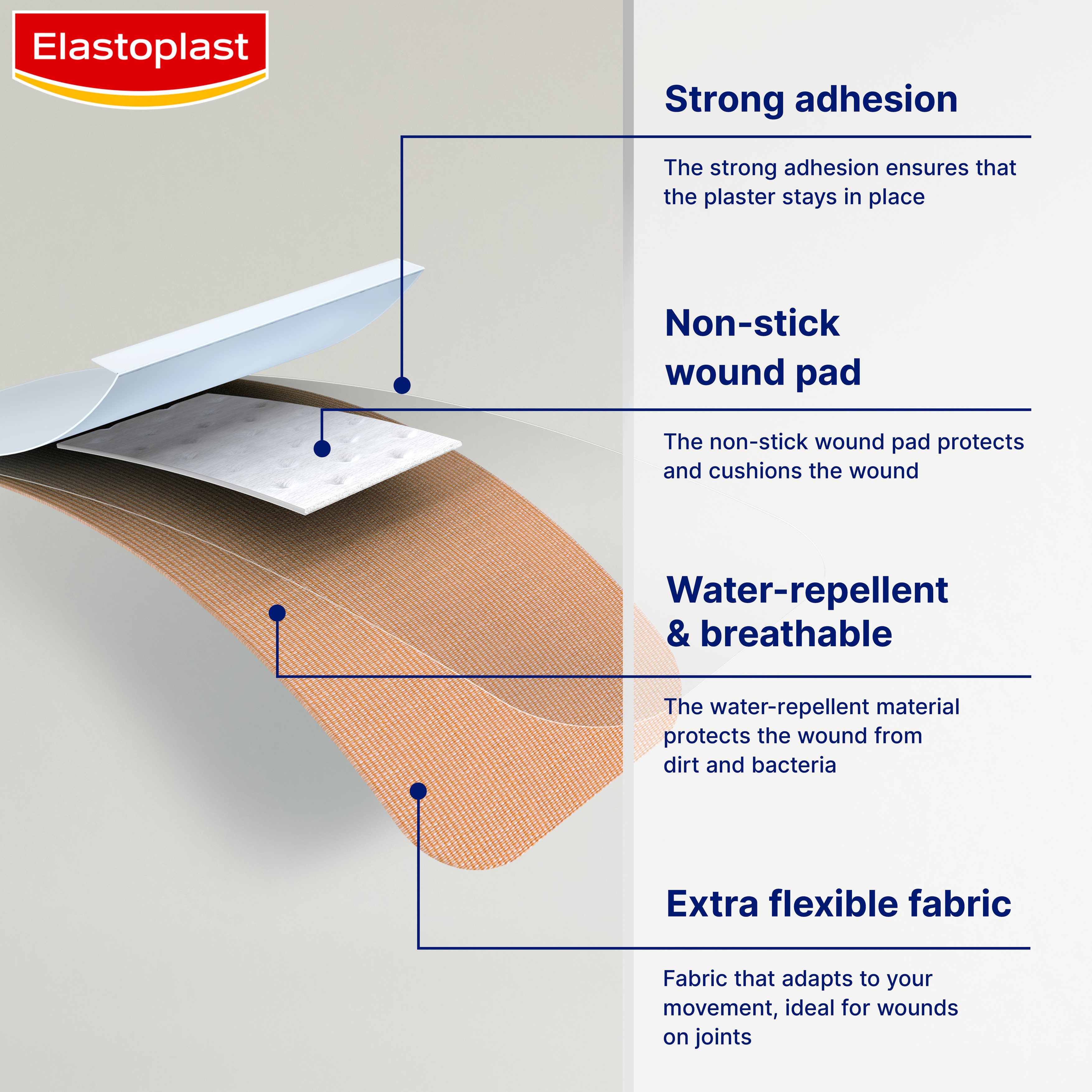
Infographic showing composition of Elastoplast Fabric Plaster
Elastoplast Fabric Plasters are ideal for everyday protection

Regular plasters are suitable for protecting minor cuts, scratches and grazes. They can generally be left in place for a few days while the wound still needs protection, provided the plaster remains clean, dry and securely attached6. Change it sooner if it becomes wet, dirty, loose or damaged, or if blood or wound fluid soaks through.

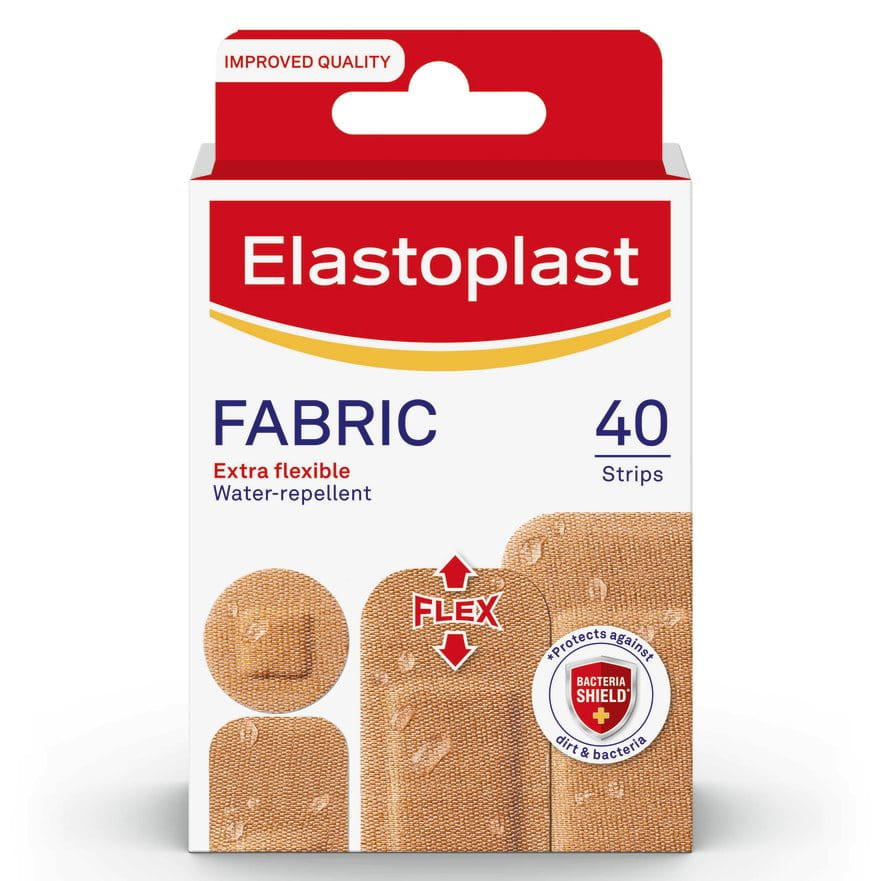
  • Elastoplast Fabric Plasters: Flexible protection for everyday cuts, scratches and grazes. Designed to stretch with the skin’s movement, they help provide comfortable coverage during daily activities.
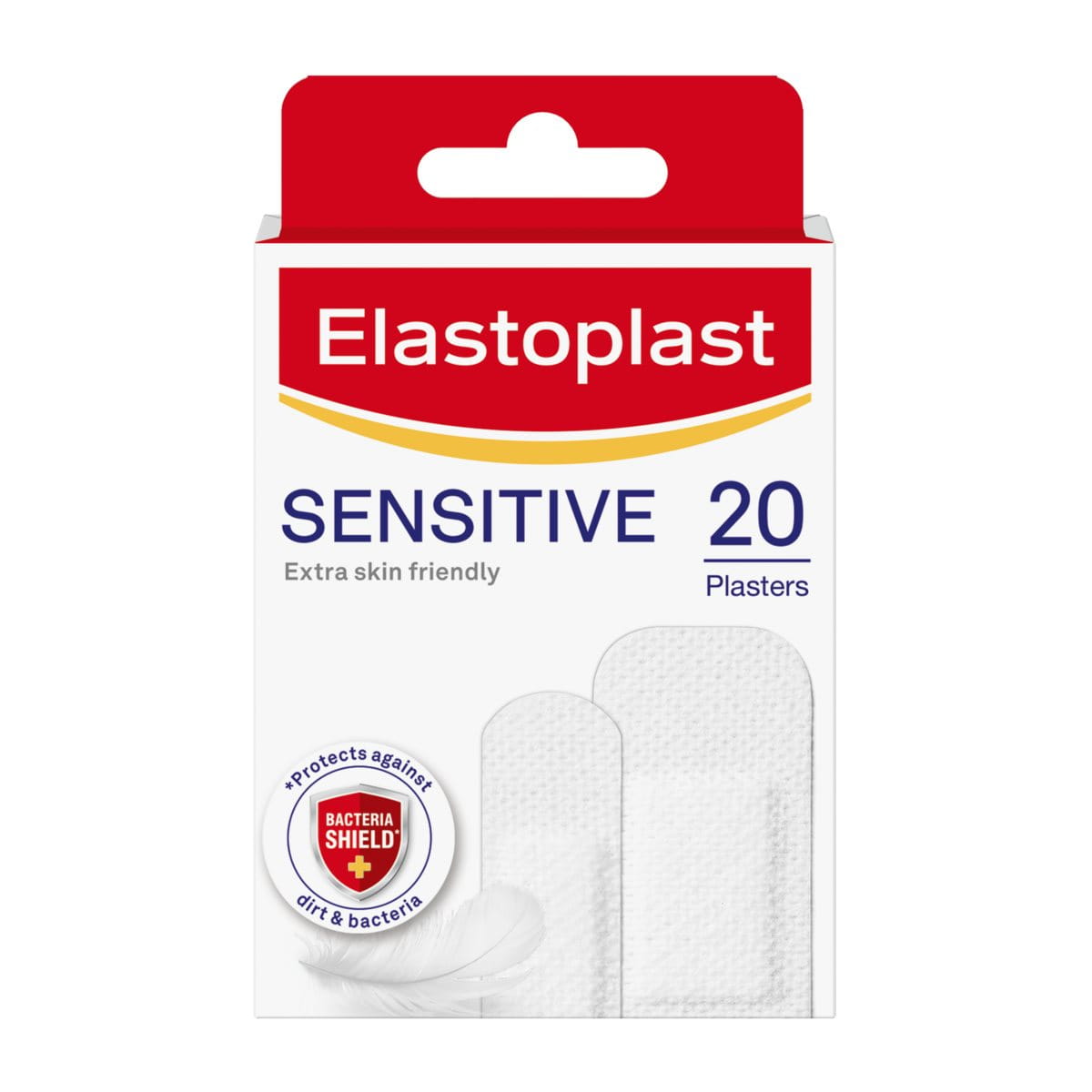
  • Elastoplast Sensitive Plasters: Gentle hypoallergenic protection for minor wounds and suitable for sensitive skin, helping to minimise the risk of skin irritation caused by adhesives.

How long can waterproof plasters stay on?

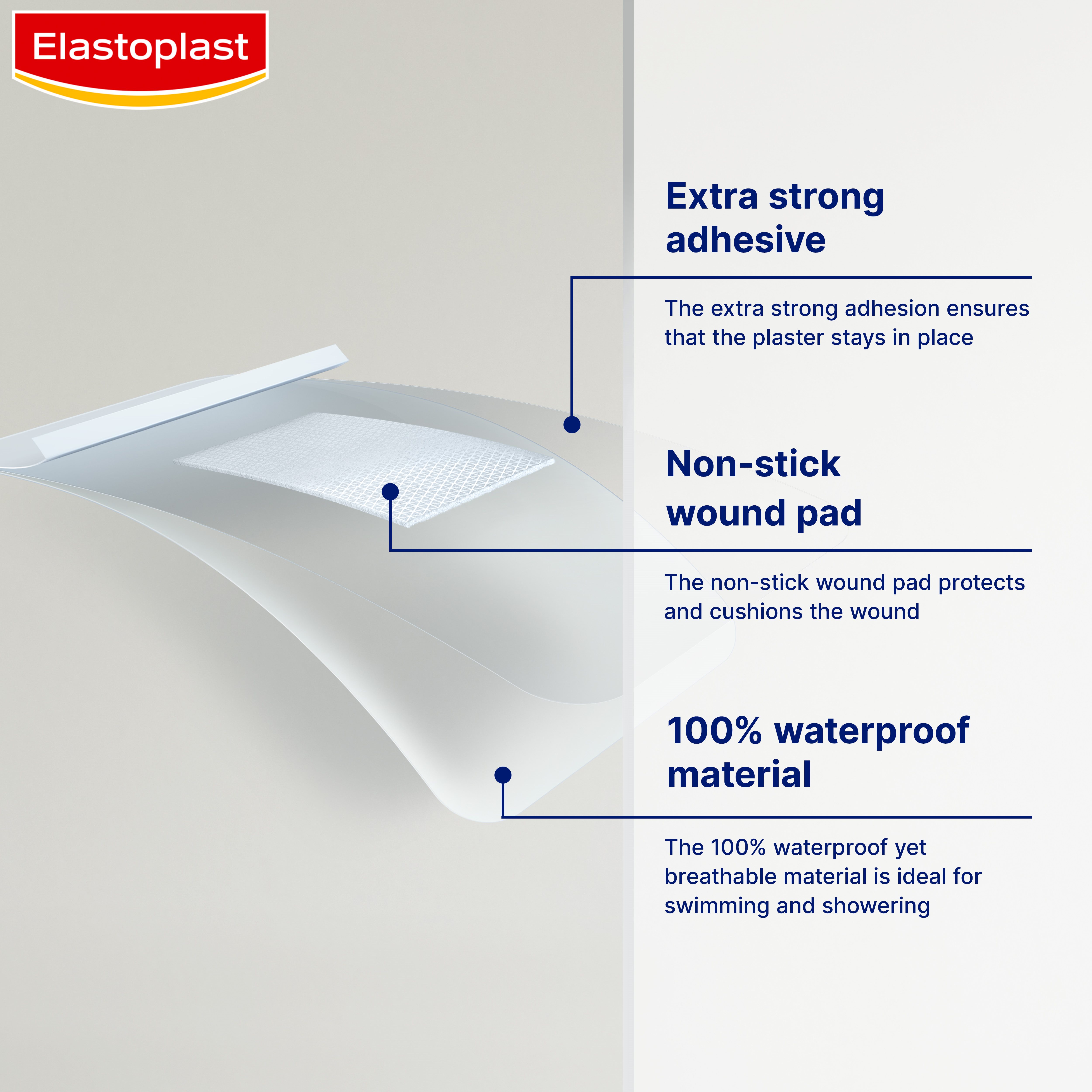
Infographic showing composition of Elastoplast Aqua Protect Waterproof Plasters
Elastoplast Aqua Protect Waterproof Plasters provide secure protection from water

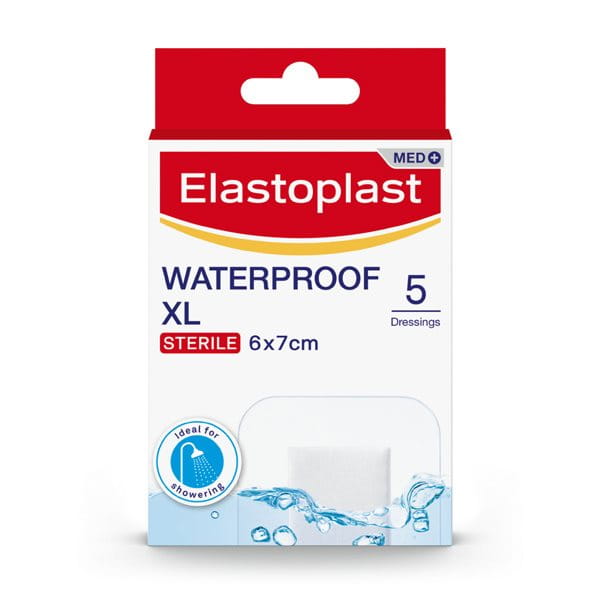
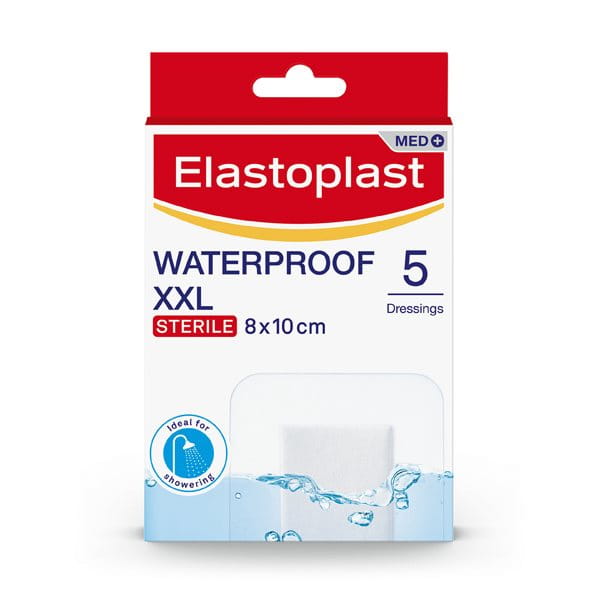
Waterproof plasters are designed to protect minor wounds during activities where they may come into contact with water, such as washing, showering or outdoor activities. They can generally be left in place for a few days while the wound still needs protection, provided the plaster remains securely in place and the waterproof seal is intact. Change the plaster sooner if the seal becomes damaged, the plaster becomes dirty or loose, or blood or wound fluid soaks through.

How long can hydrocolloid wound plasters stay on?

Hydrocolloid plasters are designed for wounds where longer-lasting protection may be helpful. They can typically stay in place for around 3-7 days, depending on the wound and amount of wound fluid. They create a moist wound environment and form a gel-like layer as they absorb wound fluid, helping protect the wound while the plaster remains securely in place. Change the plaster sooner if the edges begin to lift, the dressing becomes saturated or the wound has healed.

When can you use a spray or liquid plaster?

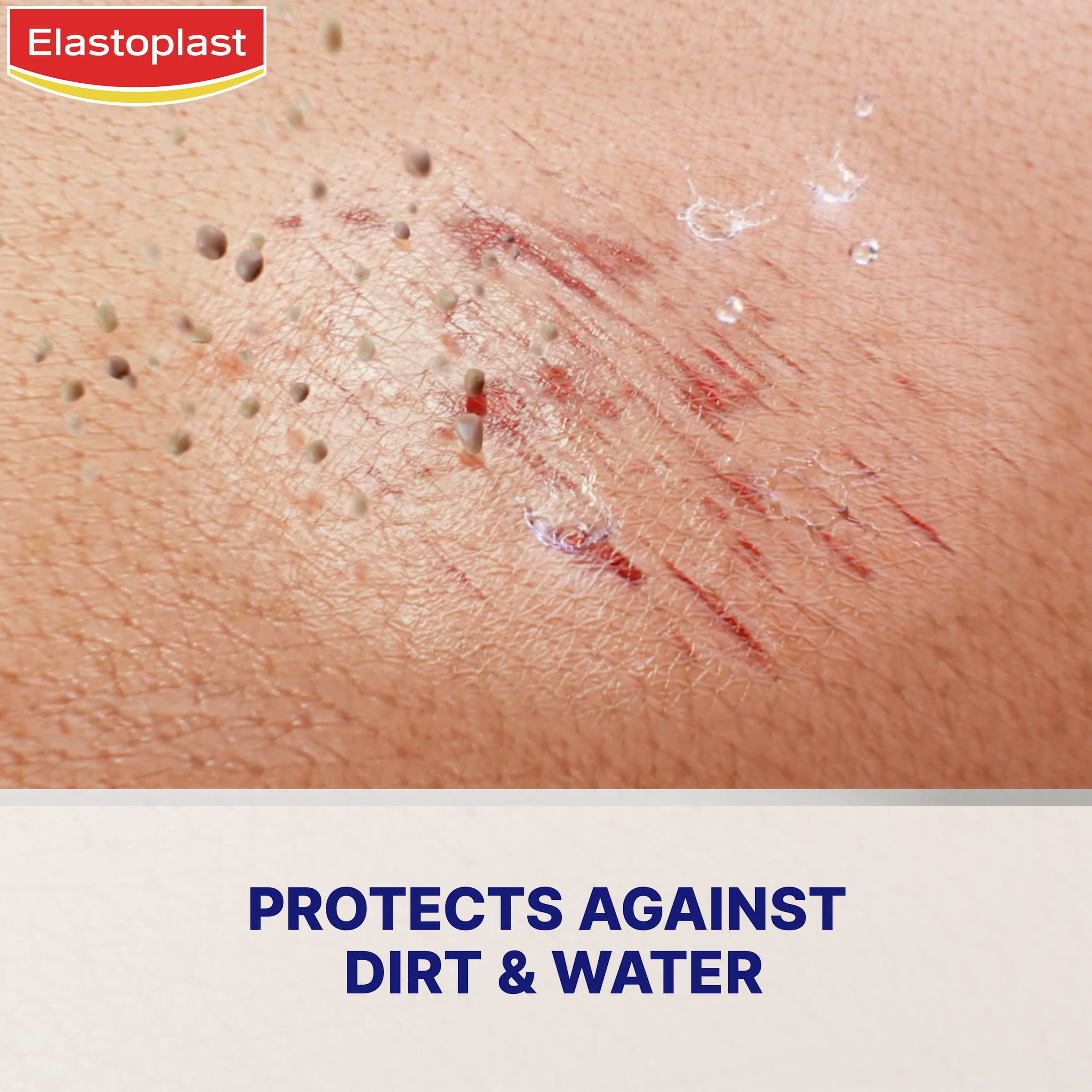
Close-up of scratched skin with visible abrasions and dirt particles, illustrating protection against dirt and water.
Elastoplast Spray and Liquid Plasters are ideal for smaller wounds that still require protection

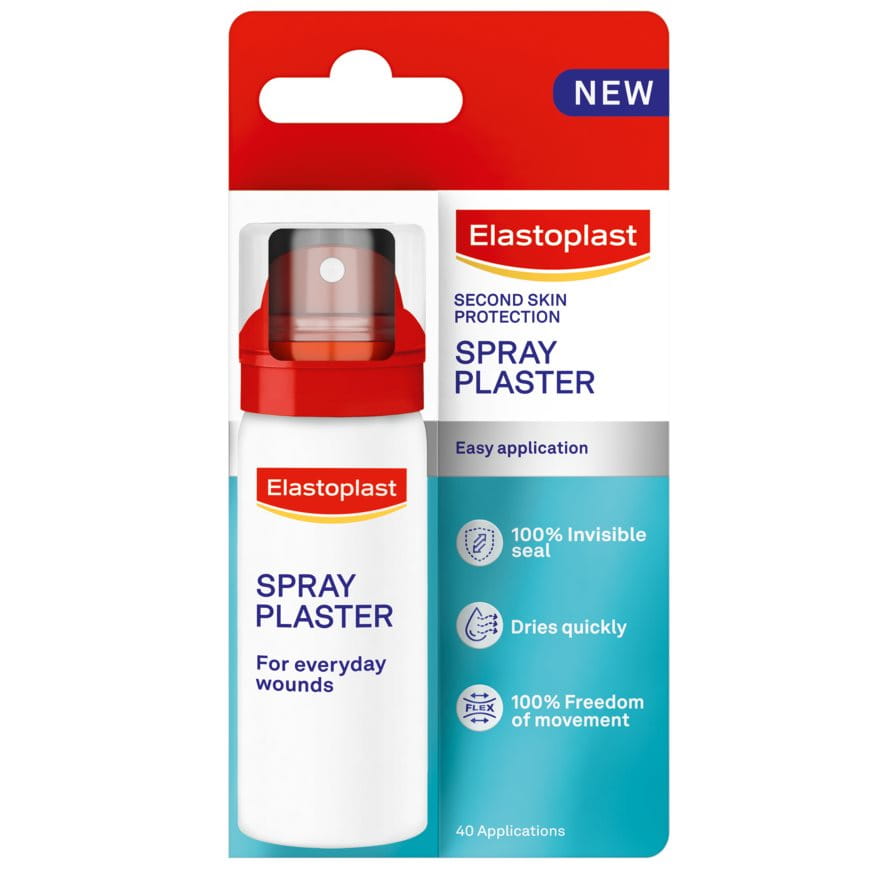
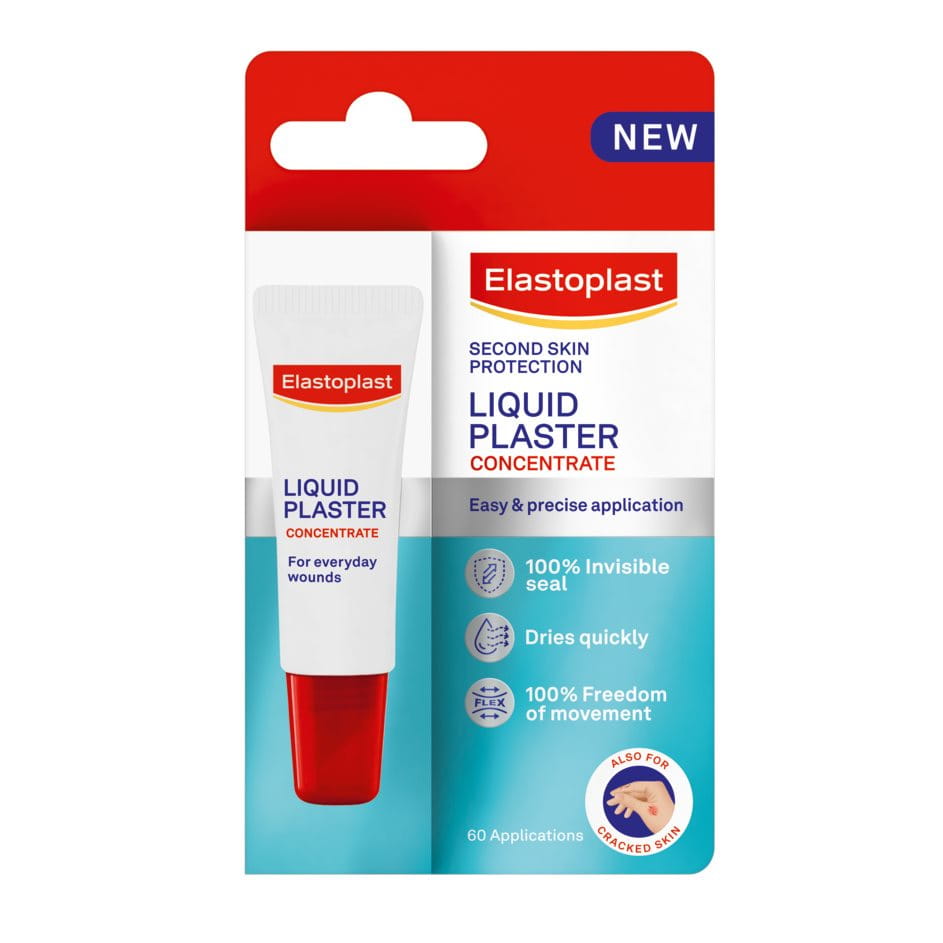
Spray and liquid plasters can be useful for minor, superficial and dry wounds where a traditional plaster may be inconvenient, such as on hard-to-reach or frequently moving areas. They form a flexible, water-resistant film that moves with the skin and gradually wears away over time.

When to stop covering a wound

A minor wound may no longer need a plaster when:

  • The skin has closed.
  • There is no bleeding or oozing.
  • The area is no longer exposed to friction, dirt or activities that could disturb it4.

Tip: If you are unsure whether a wound still needs covering, continue protecting it until it has healed enough to cope with normal daily activities.

A plaster should protect a wound when it needs it most. Once the skin has closed and the wound no longer needs protection from everyday activities, it can usually be removed.

When should you seek medical advice for a wound?

Most minor cuts and grazes heal with simple wound care. However, a wound may need medical advice if it shows signs of infection or is not healing as expected.

Signs of an infected wound may include:

  • Increasing redness or swelling around the wound.
  • Worsening pain.
  • Warmth around the affected area.
  • Pus or unusual discharge.
  • An unpleasant smell.
  • Feeling generally unwell or having a fever7.

Seek medical advice if the wound is deep, large, heavily contaminated, caused by a dirty object, or results from an animal or human bite. You should also seek help if it worsens, shows signs of infection, or you develop a fever or feel generally unwell. A healthcare professional can advise whether a tetanus vaccination or booster is needed.


How should you apply, change and remove a plaster?

Using a plaster correctly can help keep it securely in place and provide effective protection while the wound heals.

How do you apply a plaster correctly?

Using a plaster correctly can help keep it securely in place and provide effective protection while the wound heals. To apply a plaster effectively:

  1. Ensure you wash your hands before touching the wound.
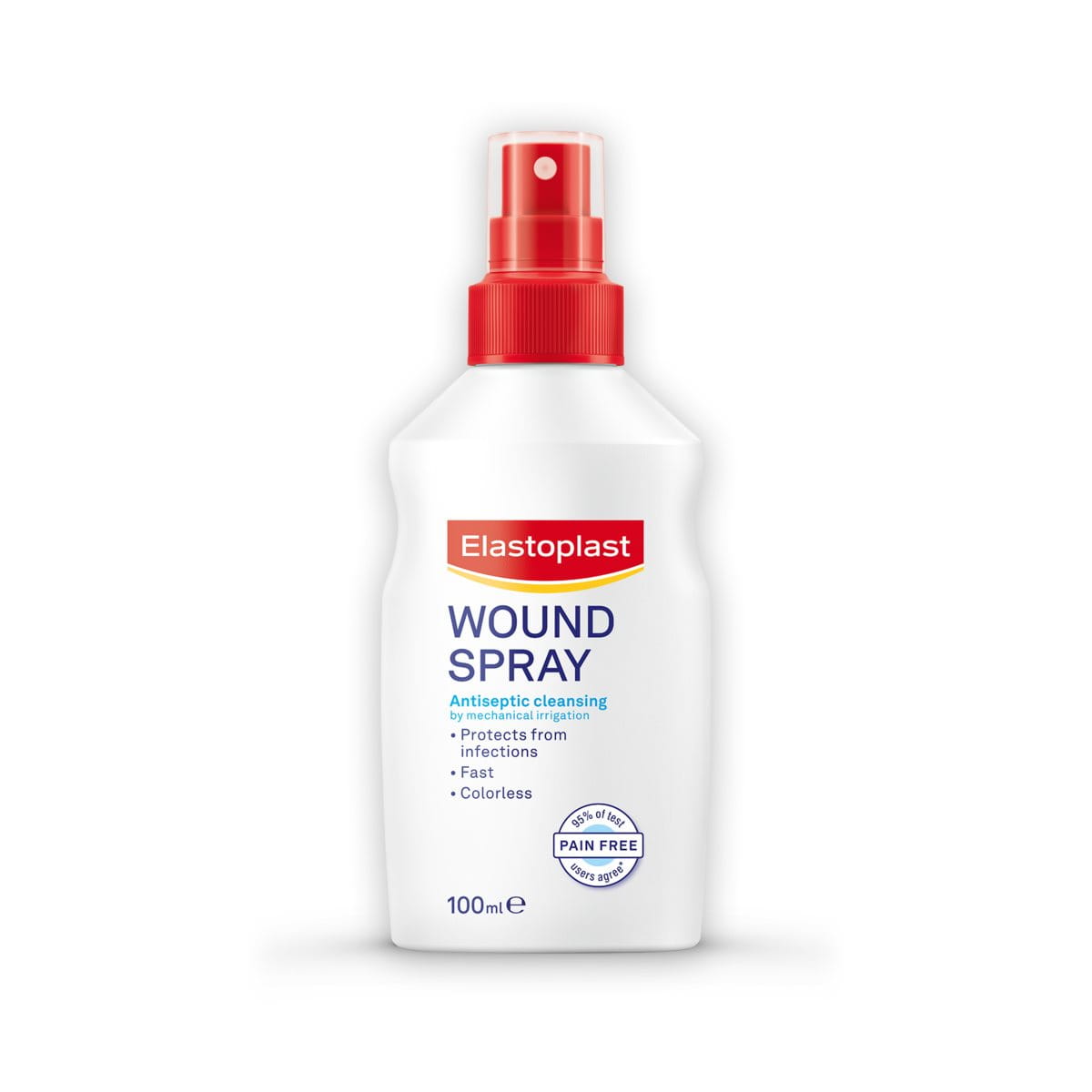
  2. Clean the wound with an appropriate wound cleaning solution like Elastoplast Wound Spray to remove any dirt or debris and allow the surrounding skin to dry.
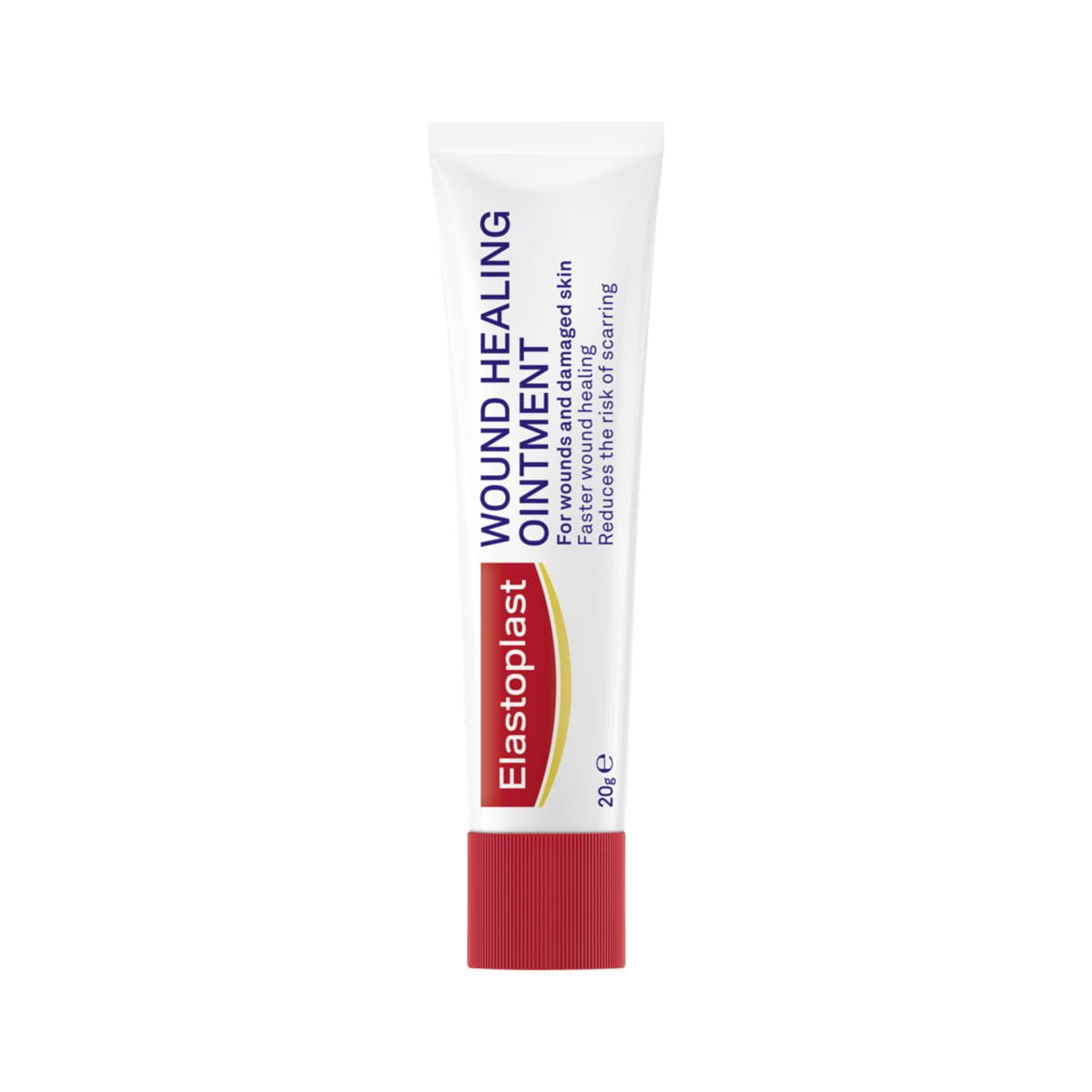
  3. If suitable, apply a thin layer of Elastoplast Wound Healing Ointment before covering the wound with an appropriate plaster or dressing.
  4. Choose a plaster that fully covers the wound and is suitable for the type of wound and its location.
  5. Apply the plaster, making sure the wound pad fully covers the wound, and the adhesive edges stick securely to the surrounding skin.

When should you change a plaster?

A plaster does not always need changing at a specific time each day. Instead, check it regularly and replace it when needed. 

Change your plaster if:

  • It becomes wet or dirty.
  • The edges start to lift.
  • Wound fluid has soaked through.
  • It becomes uncomfortable or irritates the surrounding skin8.

Replacing a plaster when needed helps keep the wound protected during the healing process.

Can you be allergic to plasters?

Some people may react to materials used in plasters, including certain adhesives or latex. Possible signs of a plaster allergy may include redness, itching, swelling or blistering around the application area. If irritation occurs, remove the plaster and consider a sensitive or hypoallergenic option. Seek medical advice if the reaction is severe or does not improve.

How do you remove an old plaster safely?

To remove a plaster:

  1. Wash and dry your hands.
  2. Gently lift one edge of the plaster.
  3. Use your other hand to hold the surrounding skin taut.
  4. Slowly peel the plaster back, keeping it close to the skin and removing it in the direction of hair growth.
  5. Check the wound and apply a clean plaster if it still needs protection.

After removing the plaster, some adhesive residue may remain on the skin. Avoid rubbing or pulling at the area, as this may cause irritation. Read our guide to removing sticky plaster residue for further advice.

If a plaster comes off before the wound has healed, check that the area is clean and replace it with a fresh plaster if it still needs protection.

How long should you keep a plaster on? Key takeaways

There is no set amount of time that every plaster should stay on. The right time depends on the type of wound, where it is located and the type of plaster being used. Check your plaster regularly and replace it if it becomes wet, dirty, loose or damaged, and continue covering the wound until it has healed enough that it no longer needs protection. Choosing the right plaster for your wound, whether it's an everyday plaster, a waterproof plaster, a hydrocolloid plaster or a spray or liquid plaster, can help keep the wound protected throughout the healing process.

FAQs about keeping a plaster on (11)

  • How many days should a plaster be kept on?

    There is no fixed number of days that a plaster should be kept on. The right amount of time depends on the type of wound, where it is located and the type of plaster being used. Check the plaster regularly and replace it if it becomes wet, dirty, loose or damaged.

  • Should I sleep with a plaster on or off?

    For most minor cuts and grazes, it is usually best to leave a plaster on overnight if the wound still needs protection. Keeping the wound covered can help protect it from friction, dirt and accidental knocks while you sleep.

  • How long should a waterproof plaster remain on a wound?

    A waterproof plaster can remain in place while it continues to provide effective protection. Although it is designed to resist water, it should be replaced if it becomes damaged, starts to lift at the edges or no longer sticks securely.

  • Should I cover a weeping wound?

    A small amount of wound fluid can be a normal part of the healing process. Covering a weeping wound with a suitable plaster or dressing can help protect the area and absorb wound fluid. Change the plaster if it becomes saturated or no longer provides effective protection.

  • Do plasters draw out pus?

    No. A plaster may absorb wound fluid or discharge, but it does not draw pus or infection out of a wound. Pus can be a sign of infection, particularly if the wound is becoming more painful, red, swollen or warm, or has an unpleasant smell. Seek medical advice if you think a wound may be infected.

  • What happens if a plaster comes off a wound?

    If a plaster comes off before the wound has healed, check that the wound is clean and replace it with a fresh plaster if it still needs protection. Leaving a wound uncovered too soon may expose it to dirt, friction and everyday knocks.

  • How do I know when my wound no longer needs a plaster?

    You can usually stop covering a minor wound once the skin has closed, there is no bleeding or oozing, and the area no longer needs protection from friction, dirt or everyday activities. Wounds on hands, fingers, knees or other areas exposed to frequent movement may benefit from being covered for longer.

  • When should the plaster on a sutured wound be changed?

    Follow the advice given by your healthcare professional after receiving stitches. If no specific instructions have been provided, change the plaster if it becomes wet, dirty, loose or damaged, and keep the wound clean and protected while it heals.

  • What happens if you leave a plaster on too long?

    Leaving a plaster on for too long, particularly if it becomes wet, dirty or damaged, may irritate the surrounding skin and mean it no longer provides effective protection. Check the plaster regularly and replace it when needed.

  • Do cuts heal faster with a plaster?

    Covering a minor cut with a suitable plaster can help protect the wound and provide a suitable environment while it heals. Some plasters, such as hydrocolloid plasters, are designed to support a moist wound healing environment.

  • Do plasters go out of date?

    Yes. Plasters can go out of date, and over time the adhesive and sterile packaging may become less effective. Always check the expiry date on the packaging before use and replace any plasters that are damaged or out of date.

Related Articles

Sources

  1. Su, L.; Jia, Y.; Fu, L.; Guo, K.; Xie, S. The Emerging Progress on Wound Dressings and Their Application in Clinic Wound Management. *Heliyon* **2023**, *9* (12), e22520–e22520. [https://doi.org/10.1016/j.heliyon.2023.e22520].
  2. NHS. *Cuts and Grazes*. NHS. [https://www.nhs.uk/conditions/cuts-and-grazes/].
  3. Kimura, S.; Tsuji, T. Mechanical and Immunological Regulation in Wound Healing and Skin Reconstruction. *Int. J. Mol. Sci.* **2021**, *22* (11), 5474. [https://doi.org/10.3390/ijms22115474].
  4. Dhivya, S.; Padma, V. V.; Santhini, E. Wound Dressings – A Review. *BioMedicine* **2015**, *5* (4). [https://doi.org/10.7603/s40681-015-0022-9].
  5. Britto, E. J.; Nezwek, T. A.; Robins, M. *Wound Dressings*. PubMed. [https://www.ncbi.nlm.nih.gov/books/NBK470199/](https://www.ncbi.nlm.nih.gov/books/NBK470199/).
  6. Haxho, F.; Yuliya Lytvyn; Shelley, A. J.; Ortega, A.; Melin, M.; Alavi, A. Wound Care – Part I: A Practical Approach to Local Wound Care and Dressing Selection. *J. Am. Acad. Dermatol.* **2025**. [https://doi.org/10.1016/j.jaad.2025.02.103].
  7. University Hospitals Sussex NHS Foundation Trust. *Identifying a Wound Infection: Patient Information*. [https://www.uhsussex.nhs.uk/wp-content/uploads/2024/01/2336-identifying-a-wound-infection-2024.pdf.
  8. Cutting, K. F.; Harding, K. G. Criteria for Identifying Wound Infection. *J. Wound Care* **1994**, *3* (4), 198–201. [https://doi.org/10.12968/jowc.1994.3.4.198].

Always see a doctor if the wound is deep, bleeds heavily or shows signs of infection like reddening, swelling or warmth.

Please note that, although these were compiled with great care, the tips and advice given on this website by no means substitute medical advice and treatment. If you have or suspect a health problem, consult a doctor and follow medical advice regardless of what you have learned on this website.

Always read carefully and follow the instructions for use or the leaflets of our products. For further information about our products, please contact us via email at ConsumerRelationsUK@Beiersdorf.com